
What Actually Delays an International Move?
Why International Moves Get Delayed More Than Domestic Moves
International moves get delayed for one simple reason, they are not just longer domestic moves. They are multi-stage international logistics projects that involve shipping lines, port terminals, customs authorities, documentation reviews, and coordinated delivery teams on two different sides of the world.
A local move might involve one truck and a direct route. An international move involves multiple checkpoints, legal clearances, and handoffs. Each stage adds complexity, and complexity introduces timing variables.
If you’re comparing international movers and want a clear door-to-door process, start with our SDC International Shipping international moving company overview. Understanding the full process from pickup to final delivery makes it much easier to see where delays can occur and how they can be minimized.
More Stages Mean More Coordination
A domestic move usually begins and ends with a truck schedule. An international move moves through packing, export handling, port processing, overseas transit, customs clearance, and final delivery scheduling.
Every stage depends on the one before it. If export documentation is delayed, the container cannot depart. If the vessel arrives during a busy port cycle, unloading may take longer. If customs requires additional verification, delivery cannot be scheduled until clearance is complete.
None of this means something has gone wrong. It reflects the reality of global logistics.
Global Shipping Runs on Fixed Capacity
Ocean carriers and airlines operate on fixed global schedules. Containers are loaded based on space availability and routing efficiency, not on individual household timelines.
If a shipment misses a scheduled departure window, it waits for the next available sailing with capacity. This is often called a rollover. It is common during peak seasons and does not indicate mishandling. It reflects how global freight systems manage space and timing across continents.
Unlike a local truck that can leave later in the day, international cargo moves according to coordinated port schedules that connect multiple countries.
Customs Adds a Legal Layer
Domestic moves do not involve border clearance. International moves always do.
Every shipment must be legally declared and reviewed by customs authorities at destination. That includes verifying documentation, residency status, and inventory details. Even when paperwork is correct, clearance requires processing time.
Customs review is procedural, not personal. It is a standard legal checkpoint built into every international shipment.
Two Countries, Multiple Teams
An international relocation involves coordination between origin crews, export coordinators, shipping lines, customs brokers, destination agents, and delivery teams. Each operates within its own regulations and time zone.
Clear communication and structured planning reduce risk, but they do not eliminate the reality that multiple organizations are involved. The more moving parts in a system, the more important professional coordination becomes.
Documentation Issues That Slow Everything Down
If there is one category responsible for more international moving delays than anything else, it is documentation. Not weather. Not the ship. Not the truck. Paperwork.
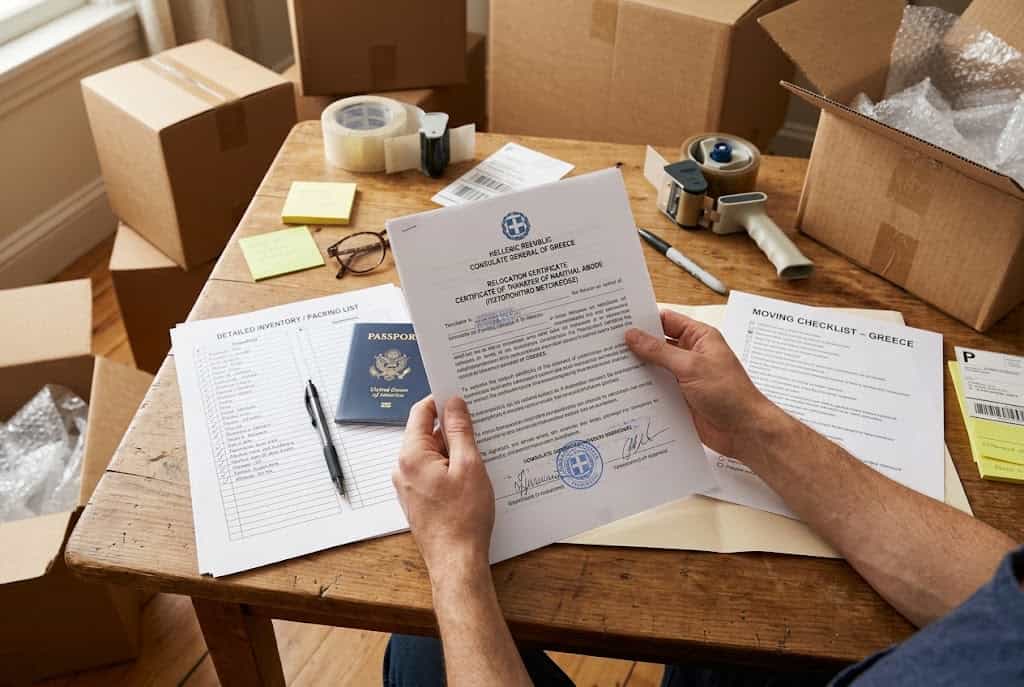
International shipping is a legal process as much as it is a logistical one. Your shipment cannot move forward at certain checkpoints until documents are reviewed, approved, and accepted by the correct authority. When paperwork is incomplete or inconsistent, everything pauses.
Incomplete or Inconsistent Customs Paperwork
Every country requires documentation to import household goods. That may include proof of residency, a passport copy, visa status, a detailed inventory, and destination address verification.
A common delay happens when paperwork is technically submitted but missing a small detail. A mismatched address, a missing signature, or an outdated visa copy can trigger a request for clarification. That request adds days or even weeks, depending on response time.
Because customs clearance is mandatory, the shipment cannot proceed to final delivery until approval is granted. No clearance means no release.
Residency Status Complications
Some countries allow duty-free entry of used household goods only if the shipper is establishing residency. Others have strict timelines around when goods must arrive relative to your visa issue date or arrival date.
If residency documentation is still in process when the shipment arrives, customs may hold the container until legal status is confirmed. This is not a penalty. It is a compliance requirement.
Timing matters more than most people realize. Departure date, visa approval, and shipment booking all need to align to avoid unnecessary holds.
Inventory Formatting Mistakes
Your inventory is not just a packing list. It is a legal declaration of what is inside the container.
If the inventory is too vague, for example listing “miscellaneous household goods” without proper descriptions, customs may request clarification. If quantities appear inconsistent, it can trigger inspection.
Professional international movers prepare export-compliant inventories specifically designed for customs review. That reduces avoidable questions and minimizes the risk of delay at destination.
Documentation delays are often preventable. They usually stem from misunderstanding requirements rather than intentional mistakes. When paperwork is handled correctly from the beginning, a major category of delays disappears.
Port and Shipping Line Delays
Even when documentation is perfect and packing is done correctly, delays can still happen at the port level. This is where global freight realities come into play.
International shipping operates on shared capacity. Your container moves alongside thousands of others, all competing for space, scheduling, and priority handling.
Container Rollovers
A rollover happens when a container does not make its originally scheduled vessel departure and is moved to the next available sailing.
This can occur for several reasons. The ship may reach capacity. Cargo may be reprioritized. The vessel schedule may shift due to earlier port delays.
A rollover does not mean your shipment was mishandled. It means the shipping line adjusted its load plan. When space is tight, especially during peak seasons, rollovers become more common.
The result is usually a delay of one sailing cycle, which can add time depending on route frequency.
Port Congestion
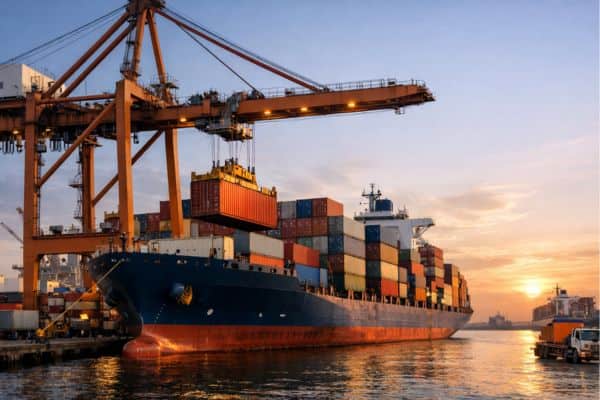
Ports are complex logistical ecosystems. Labor availability, weather events, equipment shortages, and seasonal volume spikes can slow down container processing.
When ports become congested, vessels may wait offshore before berthing. Once docked, unloading and container staging can take longer than usual.
This is particularly common during high-volume relocation seasons and around major global holidays. Even a well-planned shipment can be affected by macro-level port conditions.
Seasonal Shipping Spikes
International moving volume is not evenly distributed throughout the year. Summer months, corporate relocation cycles, and academic calendars often create predictable surges.
During these periods, vessel space tightens, warehouse capacity fills faster, and scheduling windows become narrower.
This is why booking early matters. The earlier a shipment is secured into the shipping schedule, the lower the risk of capacity-based delays.
Port and carrier delays are rarely personal and usually not preventable at the individual shipment level. What matters is understanding that these variables exist and building realistic expectations into your timeline from the beginning.
Customs Inspections and Random Holds
For many clients, this is the most stressful part of an international move. The word “customs” alone can trigger anxiety. People imagine confiscations, penalties, or something going wrong.
In reality, most customs delays are procedural, not punitive. They are part of the standard import control system every country uses to regulate what enters its borders.
What Triggers a Customs Inspection
Customs inspections are not usually random in the sense of being arbitrary. They are often triggered by documentation flags, shipment volume, routing patterns, or routine compliance checks.
Sometimes a shipment is selected as part of a standard percentage review. Other times, vague inventory descriptions or missing supporting documents can prompt additional scrutiny.
It is important to understand that inspection does not mean suspicion. It means verification.
How the Inspection Process Actually Works
When a container is selected for inspection, it is moved to a designated examination area at the port or bonded warehouse. Customs officers may open the container and review items against the declared inventory.
This process can take time because it depends on port scheduling, inspection queue volume, and staffing availability. The container must be physically repositioned, opened, reviewed, and resealed.
During this time, delivery cannot be scheduled. The shipment remains under customs control until clearance is finalized.
Why Most Inspections Are Routine
The majority of inspections end without issue. Customs confirms that the contents match the declared paperwork and releases the shipment for onward handling.
Delays occur because inspections add steps, not because something is wrong. It is a timing extension, not a red flag.
The key to minimizing risk is accurate documentation and compliant packing from the beginning. When paperwork and inventory details align, inspections tend to move more smoothly.
Customs holds can feel alarming, but they are a built-in safeguard of international shipping. In the next section, we’ll look at packing and loading mistakes that can unintentionally increase the likelihood of inspection or delay.
Packing and Loading Mistakes
Even when paperwork is correct and vessels are on schedule, delays can originate much earlier in the process, during packing and container loading.
International shipping requires a higher standard of preparation than domestic moves. The way items are packed, inventoried, and secured directly affects how smoothly they move through export and import controls.
Improper Export Packing
Export packing is different from local household packing. Items must be secured for long ocean voyages, container stacking, humidity exposure, and multiple handling points.
If goods are packed too loosely, containers may need to be reworked before departure. If items are not labeled clearly, documentation cross-checks can slow things down.
Professional crews follow export standards because once a container is sealed and delivered to port, adjustments become more complicated and time-consuming.
Inventory Mismatches
The inventory prepared at origin must accurately reflect what is inside the container. If customs opens the container and finds discrepancies between declared items and actual contents, additional review may be required.
Even small inconsistencies can trigger clarification requests. A properly detailed, export-compliant inventory reduces this risk significantly.
Accuracy at the packing stage protects the entire timeline.
Restricted or Undeclared Items
One of the most preventable causes of delay is the discovery of restricted items that were packed unintentionally.
Certain goods, such as hazardous materials, perishable food, or specific regulated products, may be prohibited or require special declaration depending on destination country.
If these items are identified late in the process, the shipment may be held while documentation is amended or items are removed. In some cases, inspections become more extensive.
Most of these issues are avoidable with clear pre-move guidance and careful inventory review before loading.
Destination Logistics and Final Delivery Scheduling
Many clients assume that once the shipment clears customs, delivery happens immediately. In reality, there is still a final coordination stage before your household goods arrive at your new home.
International moving does not end at the port. It ends at your door.
Port to Warehouse Transfer
After customs clearance, containers are often transferred to a bonded or destination warehouse before delivery is scheduled. This allows for proper staging, unloading coordination, and appointment setting.
Depending on port activity and warehouse scheduling, this transfer can add a short processing window before final delivery is confirmed.
This stage is normal and built into the door-to-door structure of professional sea freight shipments (https://www.sdcinternationalshipping.com/sea-freight/).
Clearance Timing and Release Coordination
Even once customs has approved release, administrative steps must still be finalized. Release notices must be processed. Handling agents must coordinate container pickup windows with the port. Delivery crews must be scheduled.
These moving parts are usually invisible to clients, but they are essential to ensure lawful and smooth transfer from port to residence.
Delays here are typically scheduling-related, not compliance-related.
Final-Mile Delivery Variables
The final stage can introduce practical timing considerations that have nothing to do with shipping itself.
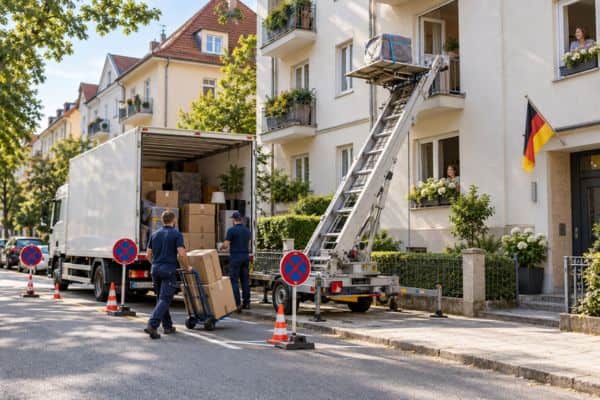
Residential access restrictions, elevator reservations, parking permits, gated communities, and narrow streets can all affect delivery timing. In some cities, delivery appointments must be secured days in advance.
Proper planning during the booking stage helps anticipate these variables, but they still require coordination once the shipment arrives.
International moving is a chain of linked processes. Clearance is a major milestone, but it is not the final step.
How to Prevent Most International Moving Delays
While not every delay can be eliminated, many can be reduced or avoided with structured preparation and experienced coordination.
The key is understanding that international relocation is both logistical and legal.
Choose Experience Over Short-Term Savings
International shipping requires specialized knowledge. Documentation, export packing standards, and customs preparation are not areas where shortcuts pay off.
Working with experienced international movers reduces the likelihood of preventable mistakes at origin. Services such as professional packing (https://www.sdcinternationalshipping.com/packing-services/) and export-compliant documentation preparation protect the entire timeline.
Lower quotes sometimes mean less preparation. Less preparation often means more delay.
Prepare Documentation Early
Visa approvals, residency documentation, and detailed inventories should be aligned before shipment departure.
The earlier paperwork is finalized, the lower the risk of customs holds at destination. International shipments operate on scheduled carrier departures, so documentation readiness directly impacts timing security.
Understand the Difference Between Air and Sea
Some delays are capacity-related rather than documentation-related. Choosing the appropriate transport method can reduce exposure to port congestion or vessel rollover risk.
Air freight shipping (https://www.sdcinternationalshipping.com/air-freight/) typically moves faster but is suited for smaller shipments or urgent timelines. Sea freight remains the most cost-effective solution for full household relocations.
Selecting the correct mode based on volume, urgency, and destination conditions helps set realistic expectations from the beginning.
Consider Proper Coverage
Unexpected events are rare, but international shipping covers long distances and multiple handling stages. Proper moving insurance (https://www.sdcinternationalshipping.com/moving-insurance/) does not prevent delays, but it protects you from financial risk if an issue occurs.
Peace of mind reduces the stress factor, even if timelines shift slightly.
International moves involve more stages than domestic relocations. Delays are usually caused by documentation gaps, carrier capacity shifts, customs procedures, or final delivery coordination.
Most of these variables are manageable with preparation, experience, and realistic scheduling.
When the process is structured correctly from the start, international moving becomes predictable rather than stressful.