
San Diego International Movers
San Diego sends more households overseas than most U.S. cities realize. Military families rotating to bases in Europe, Japan, and South Korea. Biotech professionals recruited to research hubs in Germany, Singapore, and the UK. Retirees heading south to Mexico, Costa Rica, and Portugal. The city’s geography, economy, and demographics create a genuinely diverse international relocation profile, and the logistics that serve it have to match. SDC is an FMC-licensed door-to-door international mover serving San Diego County and all 50 states.
To start planning your move, call 877-339-0267 or request a free quote.
Where San Diego Residents Are Moving, and Why It Matters for Your Shipment
San Diego’s outbound relocation profile is unlike Los Angeles or San Francisco. The military presence at Miramar, Camp Pendleton, and Naval Base Coronado creates a consistent flow of international moves tied to permanent change of station orders. The biotech and life sciences sector in Sorrento Valley and Torrey Pines produces a steady stream of professionals moving to Europe and Asia for research partnerships and corporate relocations. And San Diego’s proximity to Mexico and Central America means the Latin America corridor is stronger here than almost anywhere else in the country.
Each corridor has its own logistics and documentation requirements. What works for a move to Germany does not apply to a move to Mexico City, and a shipment to Australia involves customs clearance steps that have no equivalent anywhere else in the world. Understanding the destination before packing day is what separates a smooth move from an expensive delay.
Moving from San Diego to Europe
Germany, Portugal, Spain, France, and the UK are the most common European destinations for San Diego residents. European moves qualify for Transfer of Residence (ToR) relief, which allows used household goods to enter duty-free, but only if the documentation is prepared correctly. The inventory must be itemized, consistent, and submitted with the right supporting documents before the shipment arrives at the destination port. Ocean freight from San Diego routes through the Port of Los Angeles or Long Beach to European ports, with transit times typically ranging from four to six weeks depending on destination.
Moving from San Diego to Mexico and Latin America
Mexico is San Diego’s most active international corridor by volume. Many clients move to Baja California, Mexico City, or beach communities along the Pacific coast, and the proximity creates a false sense of simplicity. Mexican customs for household goods involves specific documentation requirements, and vehicles require separate authorization that must be confirmed before packing is scheduled. Costa Rica, Panama, and Colombia are also frequent destinations, each with their own import rules and duty structures that differ significantly from one another.
Moving from San Diego to Australia and New Zealand
Australian and New Zealand customs operate some of the strictest biosecurity regimes in the world. Wooden items, outdoor furniture, sports equipment, hiking gear, and certain natural materials require declaration and may be subject to treatment or seizure. Ocean freight from San Diego to Australia typically runs four to six weeks. Knowing exactly what cannot be imported before packing day prevents holds at the destination port, which can add weeks and significant cost to a shipment that was otherwise on schedule.
Moving from San Diego to Asia
Japan, South Korea, Singapore, and the Philippines are common Asian destinations from San Diego, particularly for military families and biotech professionals. Japan has specific handling requirements for certain categories of household goods and a customs inspection process that rewards precise inventory preparation. South Korea moves routed through military channels follow different documentation tracks than civilian moves, and your coordinator needs to know which applies to your situation from the start.
San Diego Pickup: What Makes This City Different
San Diego pickups involve access realities that need to be planned for in advance, not discovered on moving day.
Coronado
Access to Coronado Island requires crossing the Bay Bridge or using the ferry, and large moving vehicles have specific routing requirements. Building COI requirements at Coronado condominiums and managed communities are standard. This needs to be coordinated in advance.
La Jolla and Del Mar
Coastal properties in La Jolla and Del Mar often involve steep driveways, canyon roads, or multi-story homes with limited staging areas. Large container trucks require careful routing, and tight windows on narrow streets are common. Planning the access logistics before pickup day keeps the schedule intact.
Downtown San Diego and North Park
Urban pickups in downtown and North Park typically require loading zone permits, elevator reservations in high-rise buildings, and Certificates of Insurance from the building management office. These requirements are standard in dense urban environments and should be confirmed three to four weeks before your pack date.
Chula Vista, El Cajon, and East County
East County pickups are generally more accessible and involve fewer building logistics constraints. Standard residential pickup procedures apply, with routing through Interstate 8 or 94 to connect to the freight network.
Camp Pendleton and Miramar
Military base pickups require base access coordination and confirmation of authorization. Lead time for base access arrangements is typically two to three weeks. Military moves also involve specific documentation regarding authorized weight allowances and entitlements that your coordinator needs to understand from the initial call.
How an International Move from San Diego Works
International relocation has more handoffs than a domestic move. Each stage needs to be planned and handed off cleanly to avoid delays at the next one.
Step 1: Consultation and shipment planning
Your coordinator reviews your destination, timeline, estimated volume, access conditions at your origin, and whether a vehicle or storage is part of the plan. The right shipping method, shared container space or a dedicated container, sea freight or air freight for essentials, is chosen here before any commitments are made. For military moves, this is also where authorization and weight allowance documentation is reviewed.
Step 2: Packing and inventory preparation
Items are packed to export standards using approved materials. A detailed, itemized inventory is created simultaneously. That inventory is not a formality. It drives customs clearance at destination. Vague descriptions, inconsistent item categories, or missing documentation are the most common causes of shipments being held at the port. Getting the inventory right at packing day eliminates the most avoidable delays. See our professional packing services.
Step 3: Export and port coordination
San Diego household goods shipments typically route through the Port of Los Angeles or Long Beach for ocean freight, as these ports serve the highest volume of international container routes from Southern California. Your coordinator confirms the routing, vessel schedule, and container loading based on your destination and timeline.
Step 4: Ocean freight or air freight transit
Ocean freight is the standard choice for full household relocations. Air freight is available for smaller, time-sensitive shipments where the priority is getting essentials to your destination quickly while the main shipment is in transit by sea. Most San Diego clients moving to Europe or Australia use a combination: air for documents and immediate-need items, sea for the household.
Step 5: Destination customs clearance
When the shipment arrives at the destination port, customs reviews the inventory and supporting documents. The outcome depends almost entirely on the quality of the documentation prepared before packing day. Accurate, consistent, and complete paperwork clears quickly. Incomplete or mismatched paperwork gets held, inspected, and sometimes assessed for duties that should have been avoidable.
Step 6: Final delivery and optional storage
Destination delivery logistics vary significantly by country and city. If your new residence isn’t ready when the shipment arrives, storage at destination prevents a rushed or forced delivery. This is common for phased moves, renovation situations, and clients who need to confirm residency status before arranging final delivery. Storage details here.
Shipping Options from San Diego
Full Container Load (FCL)
FCL means your household goods occupy a dedicated 20-foot or 40-foot container. No other shipments share your container. This is the right choice for larger households, family relocations, and moves that include a vehicle alongside household goods. It also provides cleaner customs documentation because everything in the container belongs to one shipment.
Less Than Container Load (LCL)
LCL uses shared container space, consolidating your shipment with others heading to the same destination region. It is well-suited for apartments, partial households, and studio or one-bedroom relocations where a full container would be underutilized. SDC handles consolidation in-house, which keeps costs lower and avoids extra fees from third-party consolidators.
Air freight for essentials
Many San Diego clients send a small air freight shipment of essentials, important documents, work equipment, and a week’s worth of clothing, while the main household shipment travels by sea. This reduces pressure during the first weeks abroad, particularly when the ocean freight transit is four to six weeks.
Vehicle Shipping from San Diego
Vehicle shipping is available when the vehicle is containerized alongside household goods. SDC does not offer standalone vehicle-only shipping. Containerized shipping provides significantly better protection than roll-on/roll-off (RoRo) for most destinations.
Destination rules vary considerably by country. Mexico requires specific import permits and may restrict vehicles that don’t meet local emissions standards. European countries require that the vehicle has been owned and used by the importer for at least six months to qualify for duty-free Transfer of Residence import. Australia and New Zealand require biosecurity inspection of vehicles, particularly undercarriage and wheel wells. Japan has strict emissions and safety compliance requirements for foreign vehicles. All of this should be confirmed early in the planning process, well before packing is scheduled. Full details: international car shipping with household goods.
Customs and Documentation
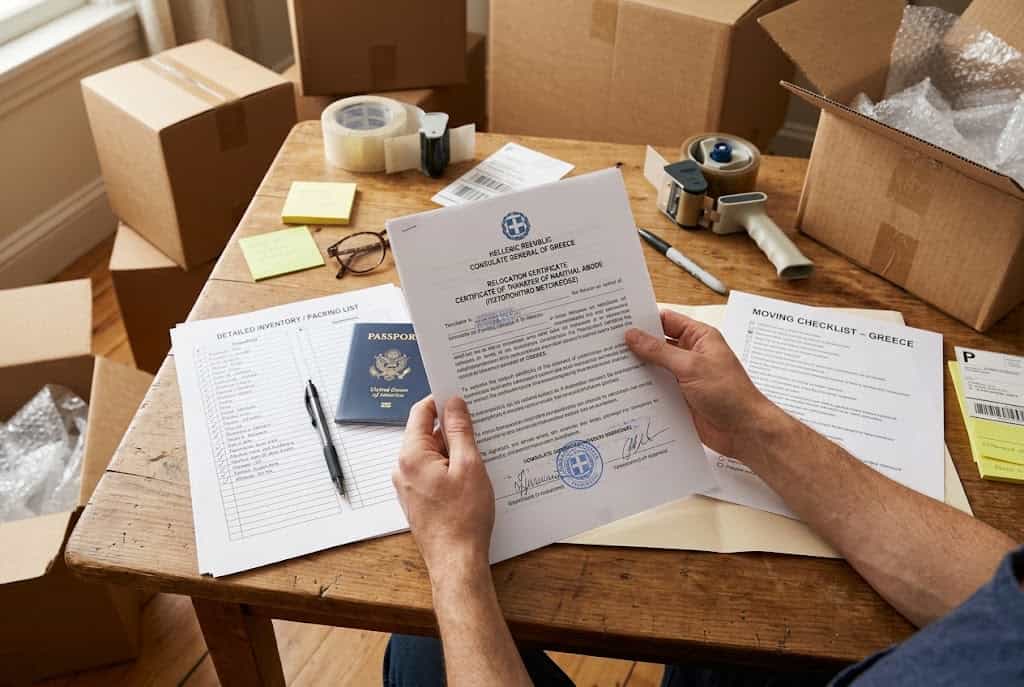
Customs requirements depend on your destination country, your residency or visa status at the time of import, how long you have owned the goods, and whether you qualify for duty-free relief programs like the European Transfer of Residence. The most common and most avoidable problem is an inventory that is too vague, uses inconsistent descriptions across different documents, or doesn’t match what is physically in the shipment.
Preparing accurately before packing day, with a consistent and itemized inventory where item descriptions match across all documents, is what separates shipments that clear quickly from shipments that don’t. Your coordinator walks through destination-specific documentation requirements at the consultation stage so nothing is discovered at the port.
Moving Insurance for International Relocation
International transit involves more handling, longer distances, and more environmental exposure than a domestic move. Standard carrier liability is typically insufficient for full household values. Marine cargo insurance provides broader, more appropriate coverage for international shipments. The right time to review your insurance options is before the shipment leaves, not after something goes wrong in transit. International moving insurance options.
Frequently Asked Questions
Does my shipment from San Diego have to go through the Port of San Diego?
Not necessarily. Most international household goods shipments from San Diego route through the Port of Los Angeles or Long Beach, which handle significantly higher volumes of international container traffic and offer more frequent sailings to most destinations. Your coordinator confirms the routing based on your destination and departure timeline.
How far in advance should I start planning?
Most San Diego clients begin 6 to 12 weeks before their target departure date. Military families with PCS orders should start as soon as orders are received, as base access coordination, authorization documentation, and weight allowance confirmation all take time. Moves involving vehicle shipping, custom crating, or storage at destination also benefit from earlier planning.
Can I ship to Mexico from San Diego?
Yes, and it is one of SDC’s most active corridors from San Diego. Despite the proximity, Mexican customs for household goods involves documentation requirements and import regulations that need to be prepared correctly. Vehicle imports into Mexico require separate authorization and must meet specific eligibility requirements. Your coordinator addresses all of this at the planning stage.
What are the biggest causes of delays in international moves?
Incomplete or inconsistent inventory documentation, restricted items included in the shipment without prior clearance, and missing customs forms are the most common causes. All three are avoidable with proper preparation before packing day. Discovering any of these after the shipment is at the port is significantly more expensive than addressing them in advance.
Do you handle military moves from San Diego?
Yes. SDC has experience with military-connected international relocations from Miramar, Camp Pendleton, and Naval Base Coronado. Military moves involve specific documentation, authorization requirements, and in some cases weight allowance considerations that differ from civilian relocations. Confirm your situation at the initial consultation so your coordinator can plan accordingly.
How does Australia’s biosecurity inspection affect my shipment?
Australian Border Force requires all household goods to be declared for biosecurity inspection. Wooden items, outdoor furniture, sports equipment, camping gear, and natural materials are the most commonly flagged categories. Items found to be non-compliant may be treated, cleaned at your cost, or refused entry. The right approach is to review your inventory against Australian biosecurity requirements before packing, not after the shipment arrives.
Start Planning Your International Move from San Diego
San Diego is one of the most active origins for international household goods moves in the country. The move goes better when the plan is built around your specific destination, your timeline, your access conditions, and the real documentation requirements at your destination port.
Call 877-339-0267 or request a free moving quote to start building your plan.