
San Francisco International Movers
International Moving from San Francisco and the Bay Area
San Francisco and the surrounding Bay Area generate a high volume of international relocations every year. People leaving for Europe, Asia, Australia, Canada, and Latin America, for work, retirement, family, or a change of life, start their move right here.
The logistics are different than a domestic move. Your shipment needs to be packed to export standards, routed through ocean or air freight, cleared through destination customs, and delivered under local rules that vary by country. The Port of Oakland handles the majority of Bay Area ocean exports, and planning your move around that routing, timing, container type, and access at your building, is where experience makes a real difference.
If you’re comparing options and want to understand the full door-to-door process, start here: overseas moving services.
To build a plan for your international move from San Francisco or anywhere in the Bay Area, call 877-339-0267 or request a quote.
Why International Moving Experience Matters in San Francisco
International relocation isn’t a longer version of a local move. It’s a different system. Export-grade packing, customs documentation, ocean freight coordination, and destination delivery all involve handoffs where gaps in experience show up.
International moves have more failure points
Domestic moves are mostly pickup and delivery. International moves layer in export handling, port processing, carrier schedules, customs review, and destination delivery constraints that vary by country. Structured planning at the start prevents avoidable problems at each stage.
Export-grade packing is not the same as standard moving packing
International shipments are handled more times, travel longer, and face more environmental stress than domestic ones. Packing needs to account for stacking weight, vibration, humidity, and extended time in transit. Details: professional packing services.
Container strategy affects cost, timing, and handling
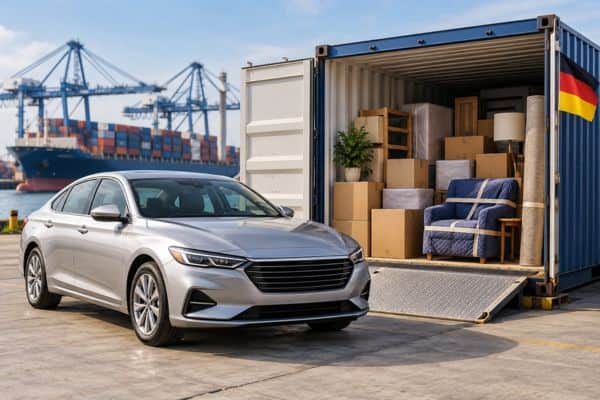
Some Bay Area moves work well with shared container space. Others, especially larger households or shipments that include a vehicle, need a dedicated 20-foot or 40-foot container. This decision affects how your shipment routes through Oakland, when it departs, and how it’s handled at destination. More here: international shipping containers.
Customs documentation needs to be accurate before packing day
Many countries require itemized inventories, consistent descriptions, and specific supporting documents before clearing a shipment. If the paperwork doesn’t match what’s in the container, clearance slows or stops entirely. Practical guidance: how to fill customs forms for international shipping.
Where Bay Area Residents Are Moving, and What That Means for Your Shipment
San Francisco and the Bay Area have a distinct international relocation profile. The destinations below represent the corridors we handle most frequently from this region, and each has its own documentation and logistics requirements.
Moving to Europe from San Francisco
Germany, Portugal, France, Spain, and the UK are among the most common European destinations for Bay Area residents. European moves involve Transfer of Residence (ToR) documentation, which, when prepared correctly, allows used household goods to enter duty-free. Getting the inventory and supporting documents right before departure is essential. Ocean freight from Oakland to European ports typically runs several weeks depending on destination.
Moving to Asia from San Francisco
Japan, Singapore, Hong Kong, and South Korea are frequent destinations for Bay Area tech and finance professionals. Asian destinations often have strict customs inspection processes and specific requirements around electronics and certain restricted items. Japan in particular requires careful inventory preparation and specific handling requirements for fragile or high-value items.
Moving to Australia and New Zealand from San Francisco
Australian and New Zealand customs are among the strictest in the world for biosecurity. Certain materials, foods, and natural items cannot be imported, and inventory review is thorough. Ocean freight from Oakland to Australia runs approximately four to six weeks. Knowing the restrictions before packing day prevents holds at destination.
Moving to Canada or Latin America from San Francisco
Canada moves from the Bay Area are often time-sensitive, as the closer distance creates higher expectations for faster delivery. Mexico and other Latin American destinations have their own documentation requirements and destination-specific customs procedures that vary by country.
For any of these corridors, your plan starts with a consultation: international household goods moving services.
How International Moving from San Francisco Works
International relocation feels overwhelming when you can’t visualize the flow. Once the process is broken into stages, it becomes manageable. The goal isn’t speed, it’s consistency and clean handoffs.
Step 1: Consultation and shipment evaluation
Your coordinator reviews your destination, timeline, estimated volume, access conditions, and whether storage or a vehicle is part of the plan. The right shipping strategy, shared container space or a dedicated container, sea freight or air freight for essentials, is chosen here before any commitments are made.
Step 2: Packing and inventory preparation
Items are packed to export standards and a detailed, itemized inventory is created. That inventory drives customs clearance, so accuracy and consistency matter from the start.
Step 3: Container loading and Bay Area export coordination
After packing, the shipment is loaded and routed for export through the Port of Oakland. Bay Area pickups often involve high-rise buildings, elevator reservations, COI requirements, or tight loading windows in dense neighborhoods. Planning for those access realities keeps the move on schedule.
Step 4: Ocean freight transit or air freight for urgent items
Ocean freight is the right choice for full household relocations. Air freight is available for smaller, time-sensitive shipments, essential items needed in the first days abroad while the main shipment is in transit. Comparing the two: sea freight vs air freight.
Step 5: Destination customs clearance
When the shipment arrives at the destination port, customs reviews the inventory and supporting documents. Accurate, consistent documentation prepared before packing day is what allows clearance to move smoothly.
Step 6: Final delivery and optional storage
Delivery logistics vary by country, city, and building. If your residence isn’t ready, storage can be arranged at destination so delivery timing doesn’t become a rushed decision. Storage details: international moving storage solutions.
Choosing the Right Shipping Method from San Francisco
Full Container Load (FCL)
FCL means your household occupies a dedicated container, a 20-foot or 40-foot depending on volume. It’s the right fit for larger households, family relocations, and any move that includes a vehicle with household goods. No other shipments share your container.
Less Than Container Load (LCL)
LCL uses shared container space and is often the right fit for apartments, partial household moves, and smaller relocations. SDC handles consolidation in-house, which keeps costs down and avoids extra fees from third-party consolidators.
Air freight for essentials
Many Bay Area clients send a small shipment of essentials by air, clothing, work equipment, important documents, items needed immediately, while the main household shipment moves by sea. That combination reduces pressure during the first weeks in a new country.
San Francisco and Bay Area Pickup Considerations
San Francisco moves regularly involve access constraints that require advance planning. High-rise buildings typically require a Certificate of Insurance (COI) from the moving company, elevator reservations coordinated with building management, and strict loading window compliance. Dense neighborhoods, the Mission, Noe Valley, Pacific Heights, and Russian Hill, often require careful staging for parking and loading zone access.
Outside the city, Bay Area pickups from Oakland, Berkeley, San Jose, Marin County, and the Peninsula follow the same export routing through Oakland. Your plan should account for access realities at your specific building and location, not just the destination.
Vehicle Shipping from San Francisco (With Household Goods)
Vehicle shipping is available when the vehicle is containerized alongside household goods. Standalone vehicle-only shipping is not offered. Destination rules vary significantly by country. Some require lienholder authorization if the vehicle is financed, some have specific emissions or compliance requirements, and some require documentation of ownership for a minimum period. Eligibility and documentation should be confirmed early, before packing is scheduled. Details: international car shipping with household goods.
Customs Preparation and Documentation
Customs requirements depend on destination country, residency or visa status, and how long you’ve owned your household goods. The most common avoidable problem is an inventory that’s too vague, inconsistently described, or doesn’t match what’s physically in the shipment. Preparing accurately, with a consistent and itemized inventory, before packing day is what reduces inspection risk and delays at destination.
Moving Insurance for International Relocation
International transit involves more handling, longer distances, and more environmental exposure than domestic moves. Marine cargo insurance provides broader protection than standard carrier liability. Reviewing your options before the shipment leaves is the right time, not after something goes wrong in transit. Insurance options: international moving insurance.
Storage Solutions for Flexible Timelines
If your destination home isn’t ready when your shipment arrives, storage keeps your timeline flexible. This is common for phased moves, renovations abroad, lease timing mismatches, and clients who need to confirm residency before arranging final delivery.
Frequently Asked Questions
Do you only move from San Francisco?
No. This page covers San Francisco and Bay Area origins. SDC coordinates international moves from all 50 states.
How far in advance should I book?
Most Bay Area clients begin planning 6 to 12 weeks before their target departure date. The earlier the better, especially for moves involving storage, custom crating, building COI requirements, or tight departure windows.
Can I ship a vehicle overseas from San Francisco?
Yes, when it’s containerized with household goods. Eligibility and destination documentation requirements vary by country and should be confirmed early in the planning process.
What causes delays most often?
Incomplete or inconsistent inventories, missing documents, and restricted items included in the shipment are the most common causes. All three are avoidable with proper preparation before packing day.
Does my move route through the Port of Oakland?
Bay Area ocean exports typically route through the Port of Oakland. The specific routing for your shipment and the timeline implications are discussed during your initial consultation.
Start Planning Your International Move from San Francisco
San Francisco and the Bay Area are a strong starting point for international relocation. The move goes better when the plan is built around your specific destination, your timeline, and the real access and logistics conditions at your origin.
Call 877-339-0267 or request a free moving quote to start building your plan.