

Moving to Japan from the USA: Shipping Guide
Moving from the U.S. to Japan involves a fairly specific set of customs documents and import rules, plus some practical adjustments once you arrive, since American homes and furniture don’t always translate directly to Japanese living spaces. SDC International Shipping is an FMC-licensed door-to-door moving company serving all 50 states, and we handle Japan-bound moves regularly. Here’s what actually matters for your shipment.
Documents Required for Customs Clearance
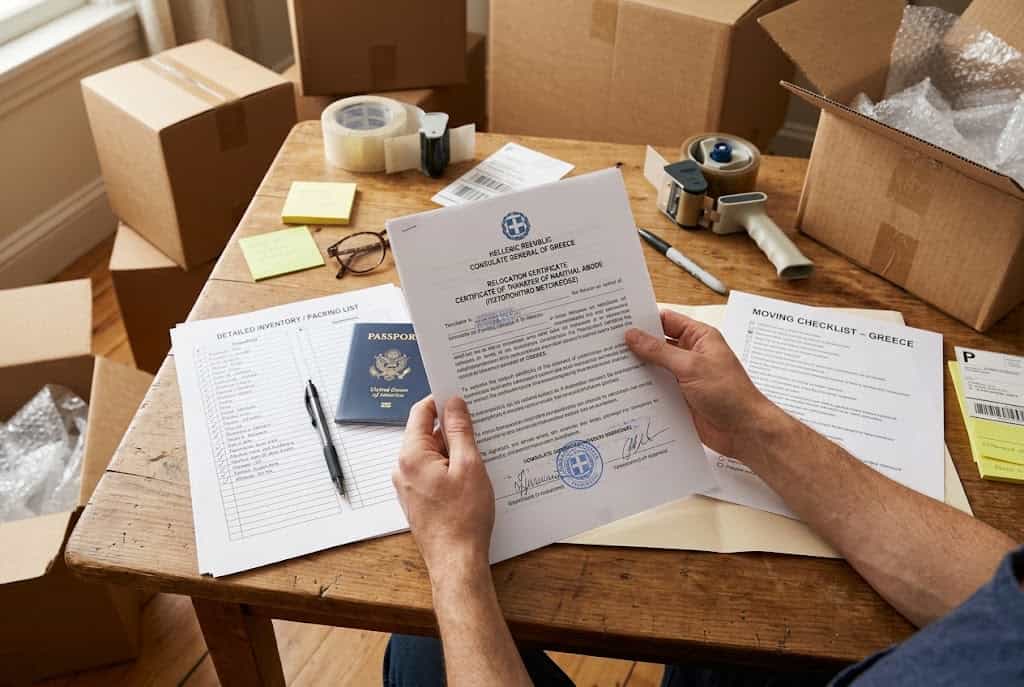
Japanese customs will ask for a copy of your passport, flight confirmation or entry permit (which supports duty-free claims where applicable), a detailed packing list itemizing your shipment’s contents, an invoice with value declarations for calculating any duties or taxes, and a Power of Attorney authorizing your customs broker to act on your behalf. Depending on your specific shipment, additional documents may be required, and we’ll walk you through exactly what applies to your move before packing day.
Customs clearance itself typically takes a few business days for air freight and one to several weeks for ocean freight, depending on the port of entry and whether your shipment is selected for inspection. We monitor this and keep you informed if anything is holding up your shipment.
Restricted and Prohibited Items
Firearms, narcotics, and certain medications are strictly prohibited from entering Japan. Alcohol, tobacco, and luxury goods aren’t prohibited outright but may carry restrictions or additional duties, so these need to be declared carefully rather than folded into your general household inventory. If you’re moving with pets, we don’t offer pet shipping services directly, but we can point you toward specialists familiar with Japan’s requirements, including the rabies vaccination and blood test your pet needs at least six months before your move to prove it’s rabies-free.
Packing Options
Our packing services scale to what your shipment actually needs. Part-pack covers fragile items only, when the rest of your move doesn’t need professional packing. Special packing applies unique techniques for large, heavy, or delicate pieces like pianos or artwork. Full-pack service covers your entire household, including furniture disassembly, with clothes and linens packed into specialized cartons based on your preferences.
Worth planning for before you pack: Japanese apartments in major cities like Tokyo and Osaka average around 950 square feet or less, often with minimalistic layouts and limited storage. If you’re attached to specific pieces, measuring your new space in advance helps you decide what’s actually worth shipping versus replacing locally.
Shipping a Vehicle to Japan
Our vehicle shipping process for Japan runs in four stages: we pick up your car and transport it to the port for container loading, provide you with the Bill of Lading and an estimated time of arrival once it’s on the vessel, coordinate customs clearance once it reaches Japan, and arrange either door delivery or port pickup depending on your preference. Cost depends on the vehicle’s year, make, applicable taxes, and shipping method, and shipments from the East Coast are generally less expensive than from the West Coast given the shorter routing. Note that you’ll need a designated parking space to register a vehicle once it arrives, a requirement that catches some clients off guard.
Full Container vs. Shared Container
A dedicated full container (FCL) gives your household exclusive use of the container, offering more space and control, and is well suited to larger households or moves that include a vehicle alongside furniture. A shared consolidated container (LCL) is more budget-friendly for smaller shipments, though it adds some time at either end for consolidating and deconsolidating with other shipments bound for the same region. We’ll help you weigh the trade-off based on your actual shipment volume.
Within either option, air freight is typically the better fit for smaller, high-value, or time-critical items, while ocean freight is the more economical choice for the bulk of a household move, including furniture and vehicles.
A Few Practical Notes Before You Pack
Japan runs on 100 volts at 50 or 60 Hz depending on the region, close enough to U.S. standards that most American appliances will work, though Japanese outlets are typically two-pronged, so a plug adapter is worth having on hand, and sensitive electronics may still need a voltage converter. Clothing and shoe sizing also runs smaller than U.S. standards, commonly topping out around a men’s US 10 or women’s US 8, so it’s worth bringing extra of anything larger, including specialized footwear.
A Realistic Shipping Timeline
We recommend starting the booking process at least 8 to 12 weeks before your target ship date, which gives enough room for packing, gathering the customs documents above, and any scheduling adjustments at either port. If you’re also shipping a vehicle, build in a bit more lead time given the extra documentation and Bill of Lading coordination involved. Specialty items like pianos or artwork should be flagged even earlier, since the packing techniques they require take longer to schedule than standard household packing.
Protecting Your Shipment
Even with careful packing, a trans-Pacific move involves risks no amount of preparation can fully eliminate. We recommend international moving insurance matched to your shipment’s value, and we’ll help you complete an inventory that supports accurate coverage rather than leaving you underinsured on the items that matter most.
Frequently Asked Questions
What items are prohibited from entering Japan?
Firearms, narcotics, and certain medications are strictly prohibited. Alcohol, tobacco, and luxury goods carry restrictions and may be subject to additional duties, so they need careful, separate declaration.
How long does customs clearance take in Japan?
Typically a few business days for air freight and one to several weeks for ocean freight, with a random inspection adding time to either.
Can I bring my pet to Japan?
We don’t offer pet shipping directly, but we can refer you to specialists. Japan requires a rabies vaccination and blood test at least six months before your move to confirm your pet is rabies-free.
Call 877-339-0267 to talk through your move to Japan, or reach out through our website so we can put together a shipping timeline based on your target dates.