
International Packing Rules: What Can (and Can’t) Go in a Shipping Container?
Why International Packing Rules Matter
When you’re preparing for an international move, one of the most important details to get right is what goes into your shipping container. Unlike a local move where movers can simply load boxes onto a truck and drive them to your new home, international shipping involves multiple stages, layers of regulation, and several checkpoints where your belongings may be inspected. Every country has its own rules, and even minor mistakes in packing can result in serious consequences.
The first reason international packing rules matter is customs compliance. Customs authorities in your destination country will check your shipment to make sure it meets their import laws. Something as simple as packing food items, plants, or a cleaning product with restricted chemicals can cause your container to be delayed. In some cases, officials may confiscate items. In others, they can hold the entire shipment, leaving you without your belongings for weeks or even months. Delays like these often come with added costs for port storage or re-inspection fees.
The second reason is safety during transport. A container loaded in Los Angeles may travel across oceans, transfer between vessels, and be moved by truck or train before arriving at its destination. If items aren’t packed correctly, they can shift, spill, or even cause damage to the container or other shipments. For this reason, hazardous items like fuel, aerosols, or paint are strictly prohibited. Even small mistakes — such as leaving gas in a lawnmower or packing batteries improperly — can put an entire vessel at risk.
The third reason is insurance eligibility. Most comprehensive international moving insurance policies require that items be packed to professional standards. If you choose to pack items yourself and they’re damaged, your claim could be denied. By contrast, when professional movers pack your shipment, they not only protect it against breakage but also create a detailed inventory that becomes part of the insurance coverage. This inventory is essential for customs as well.
Finally, international packing rules matter because they reduce stress for you, the mover. Trying to research what’s allowed in different countries can feel overwhelming. For example, some nations restrict electronics with built-in batteries, while others have limits on the number of bottles of alcohol you can import without paying duty. When you hire experts who already know these rules, you don’t have to spend hours combing through government websites or risk missing something important.
At SDC International Shipping, we view packing not just as a task, but as the foundation of a successful move. Our teams use certified packing materials, construct custom crates for fragile items, and create customs-ready inventories for every shipment. Because we handle moves to dozens of destinations around the world, we stay current with changing regulations so our clients don’t have to. This means your container is loaded correctly from the start, your paperwork is in order, and your belongings are far more likely to arrive on schedule without incident.
In short, international packing rules are about more than cardboard boxes. They’re about compliance, safety, insurance, and peace of mind. When you understand their importance — and partner with a mover who takes them seriously — you avoid the delays, expenses, and frustrations that so often derail international relocations.
Related: International Household Goods Moving Services »
Items You Can Safely Pack and Ship
When preparing for an international move, it’s reassuring to know that most of your everyday household belongings can travel with you. Items like furniture, clothing, books, and electronics are generally permitted, provided they are properly packed, declared, and meet the destination country’s requirements. But even though the list of “safe to pack” items is broad, there are important details to keep in mind that will help you avoid unnecessary delays or problems during customs clearance.
Furniture and Household Goods
Furniture is among the most common items shipped internationally. Sofas, tables, chairs, and beds can all be included in your container. Large pieces should be disassembled when possible to save space and reduce the risk of damage. For instance, removing table legs or breaking down bed frames allows movers to wrap and stack items securely. Upholstered furniture is often wrapped in protective materials to safeguard it against dust, dirt, or moisture during long voyages.
Kitchenware, including pots, pans, dishes, and silverware, is also safe to ship. These items should be carefully wrapped in protective materials to prevent breakage. Professional movers often use reinforced cartons and add cushioning to absorb shocks during transit. Small appliances like toasters, coffee makers, or blenders can travel as well, though it’s worth checking voltage compatibility in your new country before packing them.
Clothing, Books, and Personal Effects
Clothing, linens, and books are straightforward items that almost every country allows, provided they are used rather than brand new in bulk quantities. Customs officials may question unusually large shipments of brand-new items, as they can appear more like commercial imports than personal effects. Keeping these items in clearly labeled boxes, grouped logically (e.g., “winter clothing,” “children’s clothing”), makes inventory management much easier at destination.
Books, photographs, and personal memorabilia are typically permitted. That said, some countries do have restrictions on materials deemed politically sensitive or culturally inappropriate. This is rare but worth noting if you are moving to a country with strict censorship laws.
Electronics and Appliances
Most common household electronics, such as televisions, computers, and stereo systems, can be shipped. However, it is important to verify whether they will be compatible in your new country. Voltage and plug types vary widely, and using the wrong equipment without an adapter or transformer can damage your devices.
When shipping electronics, professional movers recommend using the original boxes if you still have them, since they provide the best fit and protection. If not, custom packing can ensure delicate screens and sensitive equipment arrive safely. Keep in mind that lithium batteries (common in laptops, tablets, and phones) may have restrictions depending on the airline or shipping route. Movers like SDC will flag these items and guide you through the safest way to include them.
Everyday Household Items
Decorative items, rugs, lamps, and artwork can usually be shipped without issue, though high-value pieces may require special documentation or appraisals. Non-perishable pantry goods in sealed containers are sometimes permitted, though many clients choose not to ship them to avoid customs inspections. Toiletries and cosmetics are generally acceptable in reasonable quantities, but aerosols, alcohol-based liquids, and chemicals should be avoided (we’ll cover those in the “cannot pack” section).
The Importance of a Detailed Inventory
Even though most items on this list are allowed, how they are declared is just as important as what they are. Customs officials want to see a clear, itemized list of what’s in your shipment. Instead of vague descriptions like “miscellaneous household items,” each box should be labeled with its contents — for example, “box of books” or “kitchen utensils.” A well-prepared inventory helps customs trust that your shipment is for personal use and reduces the likelihood of inspections.
At SDC International Shipping, we make sure every “safe to pack” item is also “safe to clear.” Our teams create detailed inventories, wrap and protect furniture, and use certified packing materials that meet international standards. By preparing everything correctly from the start, you can be confident your belongings will arrive intact, cleared, and ready to use in your new home.
Related: Professional Packing Services »
Common Items You Can’t Put in a Shipping Container
While most everyday belongings can travel safely in an international shipment, there is also a long list of items that cannot. Some are restricted for safety reasons, while others are prohibited by customs laws in the destination country. Packing these items by mistake can create serious problems — from customs delays to hefty fines, or even seizure of your entire container. Knowing what not to include is just as important as knowing what you can.
Food and Perishable Goods
Perishable foods, including fresh produce, meats, dairy, and baked goods, are strictly prohibited in international shipments. Even shelf-stable or packaged foods may be problematic. Some countries ban all food imports to prevent pests or diseases, while others allow limited amounts if they are sealed, commercially packaged, and declared in advance. For example, bringing a few boxes of tea or coffee may be fine in some countries but flagged in others. As a rule of thumb, avoid packing food altogether to minimize the risk of inspections.
Plants, Soil, and Related Items
Plants, seeds, and soil are almost universally restricted because of the risk of introducing pests or invasive species. Even small houseplants or gardening soil can trigger a customs violation. Some countries, like Australia and New Zealand, are especially strict about agricultural imports. If gardening is part of your lifestyle, it’s better to start fresh with local plants once you arrive.
Hazardous Materials
Hazardous materials are another major category of restricted items. These include:
- Flammable liquids like gasoline, paint thinner, or lighter fluid
- Aerosols such as spray paint, cleaning sprays, or hairspray
- Explosives, fireworks, and ammunition
- Cleaning chemicals and bleach
- Propane tanks, fuel canisters, or other pressurized containers
Even small quantities of these items can make a shipment dangerous. Shipping companies must comply with international maritime safety codes, and hazardous items put crews, ships, and other shipments at risk.
Weapons and Ammunition
Firearms, ammunition, and weapons of any kind are subject to some of the strictest restrictions. Some countries allow firearms imports with special permits and extensive documentation, but most families moving internationally are better off leaving them behind. Even collectible or antique weapons can complicate customs clearance if the paperwork isn’t in order.
Restricted Electronics and Technology
Electronics are usually safe, but certain items fall under restrictions. Some countries limit the number of computers, phones, or other devices you can bring in duty-free. Others restrict satellite equipment, two-way radios, or high-capacity batteries. Lithium batteries in particular are heavily regulated and may require separate shipping.
Alcohol, Tobacco, and Other Controlled Goods
Alcohol and tobacco products are often restricted or taxed heavily. Many countries set strict limits on the amount you can import without paying duty, and exceeding those limits can result in high taxes or confiscation. Controlled substances — including medications that are over-the-counter in the U.S. but restricted abroad — should also be reviewed carefully. What seems ordinary at home may be illegal in your new country.
Why Restrictions Exist
While it may feel inconvenient, these rules are not arbitrary. Restrictions are designed to protect public safety, prevent environmental damage, and maintain national security. Customs officials enforce them strictly, and violations can lead to consequences far more costly than replacing the item once you arrive.
At SDC International Shipping, we guide our clients through these restrictions before the packing stage begins. Our relocation specialists review what you plan to ship, identify red-flag items, and suggest safe alternatives. This ensures your container isn’t delayed, and you don’t face surprises at customs.
Related: Customs Regulations Guide »
Special Considerations for High-Value Goods
Not all belongings are created equal when it comes to an international move. While most household items can be packed with standard care, high-value or delicate goods require a different level of attention. Items like artwork, antiques, jewelry, and musical instruments often hold more than monetary value — they represent family history, passion, or personal identity. Shipping them internationally without the right preparation can be a costly mistake.
Artwork and Antiques
Artwork and antiques are some of the most challenging items to ship abroad. Paintings, sculptures, and fragile collectibles need specialized packing to withstand long transits. Standard cartons aren’t enough; instead, these items should be custom-crated using treated wood and cushioned with protective materials that absorb shock and resist moisture.
Some countries also require additional documentation for artwork and antiques. Export certificates, appraisals, or proof of ownership may be necessary to prove that you’re not exporting cultural treasures illegally. For example, shipping a century-old piece of furniture to Europe might raise questions if you don’t have the paperwork to confirm it’s a personal belonging.
Jewelry and Personal Valuables
Jewelry, watches, and other small but expensive items present a unique challenge. While they can legally be shipped, most movers recommend carrying them with you personally if possible. Customs officials may ask for appraisals or proof of purchase, especially if the items are brand new or shipped in large quantities.
If jewelry must be shipped, it should be declared accurately and insured separately. At SDC, we advise clients on the safest approach for transporting small valuables, weighing the risks of shipping versus hand-carrying.
Musical Instruments
Musical instruments are another category that requires special attention. A grand piano, for example, needs custom crating and careful handling at every stage of the journey. Even smaller instruments, like violins or guitars, must be packed to prevent warping, cracking, or damage caused by shifts in temperature and humidity. Some countries even require documentation for certain woods used in older instruments due to environmental protections.
Electronics and High-End Equipment
High-end electronics, photography gear, and professional equipment also fall under this category. While they can usually be shipped without issue, their value makes them more likely to require additional insurance. Fragile electronics should be cushioned against vibration, packed in anti-static materials, and inventoried carefully for customs.
Insurance and Peace of Mind
For high-value goods, insurance coverage is non-negotiable. All-risk insurance ensures that if something happens during transit — whether damage, loss, or theft — you’ll be compensated for the true value of the item. But insurance only applies if the item has been packed correctly and documented thoroughly. Professional movers like SDC not only handle the crating but also provide the paperwork insurers require.
Why Professional Movers Make the Difference
The mistake many people make is treating high-value items like any other box of household goods. But the reality is, these items need expert handling, specialized packing, and in some cases, additional clearance paperwork. At SDC, we’ve shipped everything from priceless artwork to vintage pianos, always with the same attention to detail and compliance.
When you entrust your valuables to professionals, you’re not just protecting their physical safety — you’re preserving the memories and meaning attached to them. That’s why high-value items should never be an afterthought in your international move.
Related: Shipping Artwork & Valuables »
Vehicle Packing Rules When Shipping With Goods
For many families and individuals relocating abroad, bringing a car or motorcycle is just as important as shipping household goods. Vehicles represent a major investment and, in some cases, a necessity for life in the new country. The good news is that you can often ship your car or motorcycle in the same container as your furniture and personal belongings. However, doing so comes with specific rules and requirements you need to follow.
Preparing the Vehicle for Shipment
Before a vehicle can be loaded into a shipping container, it must be properly prepared. The fuel tank needs to be drained down to a minimal level, usually less than a quarter full, to comply with international safety regulations. All alarm systems should be disabled, and the car should be cleaned inside and out. Many countries require vehicles to be free of dirt, soil, or plant material in order to prevent the spread of pests. A clean vehicle not only meets these requirements but also avoids unnecessary inspections at the destination.
In addition, personal items cannot be stored inside the car itself. While it might seem convenient to load the trunk with extra boxes, customs rules forbid it. Instead, household goods must be packed and inventoried separately, even if they’re shipped in the same container.
Documentation Requirements
Shipping a vehicle internationally requires additional paperwork beyond what’s needed for household goods. You will generally need to provide:
- The original vehicle title and registration
- A bill of sale or proof of ownership
- A copy of your passport or visa
- Sometimes proof of residence in your destination country
Some countries have strict rules about the age or type of vehicles allowed for import. For example, nations in the European Union often regulate emissions standards, while others may charge high import duties on newer or luxury cars. Part of SDC’s role is to help you confirm these requirements before your shipment leaves the U.S., so you don’t face unpleasant surprises at customs.
Shipping Motorcycles and Smaller Vehicles
Motorcycles, scooters, and other small vehicles are generally easier to ship than cars. They can be placed in custom crates that fit neatly inside a container alongside your household goods. Like cars, motorcycles must be drained of fuel, cleaned thoroughly, and secured to prevent shifting during transit.
Why Combine Vehicle and Household Shipping?
Many clients choose to ship their car or motorcycle in the same container as their household goods because it saves both time and money. Instead of managing two separate shipments with two sets of customs paperwork, you combine everything into a single process. This means one customs clearance, one delivery schedule, and one insurance policy that covers the entire shipment.
The Role of Professional Movers
Vehicles require precise loading to ensure they are secure and do not damage household items packed around them. At SDC, our crews block and brace cars professionally inside containers, then load boxes and furniture around them with equal care. This way, your car and your belongings arrive together, safe and ready to use at destination.
Shipping a vehicle internationally isn’t something to approach casually. With the right preparation and a trusted partner, however, it’s a straightforward process that can make your move more convenient and cost-effective.
Related: Car and Vehicle Shipping Guide »
Packing for Insurance and Customs Compliance
When preparing for an international move, many people think of packing simply as a way to protect belongings from breakage. But in reality, the way your items are packed has a direct impact on both insurance eligibility and customs clearance. Failing to meet these standards can leave you exposed financially and cause serious delays at your destination.
Insurance Considerations
Most international moving companies, including SDC, offer two main types of insurance: total loss coverage and all-risk coverage. Total loss coverage only applies if the entire shipment is lost or destroyed, while all-risk coverage protects each individual item against loss or damage. Naturally, all-risk coverage provides far greater peace of mind, but there’s an important condition: insurers usually require that all items are professionally packed.
Why? Because professional movers use certified materials, proven methods, and detailed inventories that minimize the risk of damage. If you pack items yourself and something breaks, an insurance company may deny your claim on the grounds that it wasn’t packed to professional standards. That’s why investing in professional packing isn’t just about convenience — it’s about ensuring your insurance will actually protect you if something goes wrong.
Customs Compliance
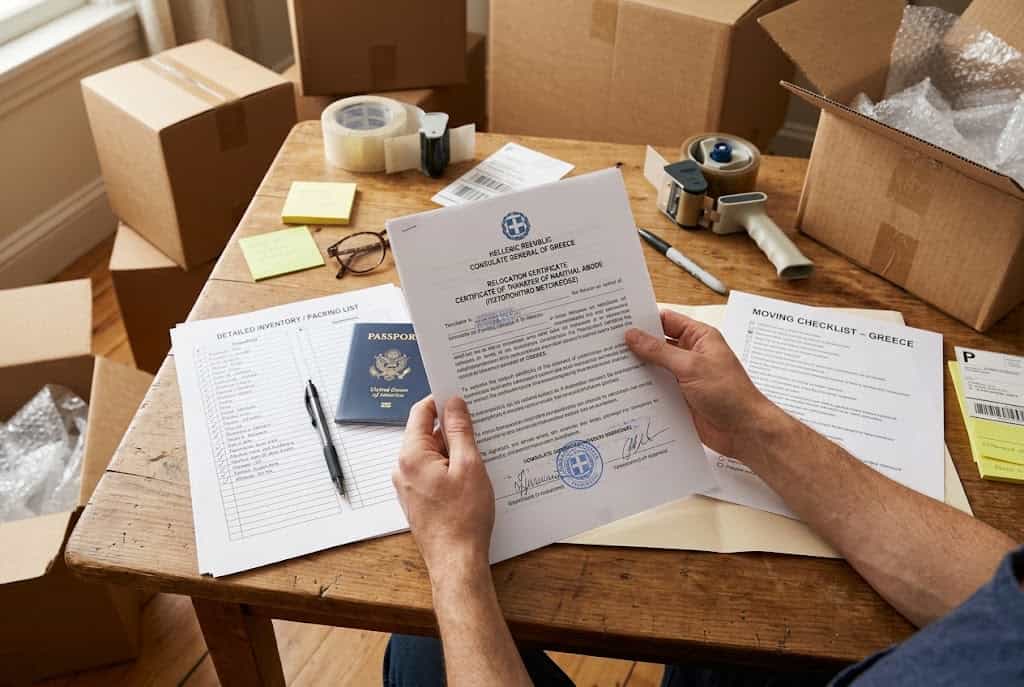
Customs authorities at your destination will also care about how your goods are packed. Every shipment must include a detailed inventory that matches the contents of each box. If a carton is labeled vaguely as “miscellaneous items,” customs officers may flag it for inspection. This can lead to costly delays, additional handling fees, and in some cases, refusal of entry for certain goods.
When SDC’s teams pack a shipment, each carton is labeled clearly and tied to a numbered, itemized inventory list. This list includes descriptions and declared values, making it much easier for customs officials to review and approve the shipment quickly. It also serves as supporting documentation for insurance purposes, creating a clear record of what was shipped.
The Role of Certified Packing Materials
Another aspect of compliance is the use of certified materials. Many countries require wooden crates and pallets to be heat-treated and stamped according to international phytosanitary standards (ISPM 15). This prevents pests from spreading across borders. Movers who don’t follow these standards risk having their crates rejected at destination, forcing expensive repacking. SDC always uses certified, customs-approved materials so that your shipment clears without incident.
Real-World Consequences of Cutting Corners
We’ve seen clients run into problems when movers cut corners on packing. For example, a shipment of fragile antiques arrived overseas with broken items because the cartons used weren’t reinforced. The insurance claim was denied because the items weren’t professionally packed. In another case, a container was held at customs for weeks because the inventory list included “miscellaneous household goods” instead of a detailed breakdown. These issues can be avoided with careful preparation from the start.
Peace of Mind with Professional Packing
When you let professionals handle your packing, you’re not just paying for boxes and tape. You’re paying for compliance, protection, and peace of mind. Insurance companies trust it, customs authorities respect it, and most importantly, it saves you from the stress of worrying about what might happen to your belongings over thousands of miles.
At SDC, we see packing as the foundation of a successful move. By combining customs-compliant inventories, certified materials, and professional techniques, we ensure your shipment isn’t just packed, it’s prepared to clear every hurdle along the way.
Related: International Moving Insurance Options »
How SDC Helps You Navigate Packing Rules
Understanding what can and cannot go into a shipping container is essential, but trying to manage all the rules yourself can quickly become overwhelming. Every country has its own list of restrictions, every shipment requires precise documentation, and every mistake can create unexpected delays. The truth is, packing for an international move is about much more than wrapping boxes, it’s about compliance, coordination, and confidence.
That’s where SDC International Shipping comes in. We don’t expect you to memorize customs laws or become an expert in international shipping standards. Instead, we guide you through the process from start to finish. Our packing teams use certified materials, build custom crates for delicate or high-value items, and create detailed inventories that are ready for both insurance companies and customs authorities.
Because we handle hundreds of international shipments each year, we also know the destination-specific rules that can make or break a move. For example, we’ll tell you in advance if your shipment to Australia needs extra cleaning checks for wooden furniture, or if your move to the UK has restrictions on certain electronics. This proactive approach prevents surprises and keeps your container moving smoothly.
Just as importantly, we see our role as more than logistics. An international move is a major life transition — whether it’s for work, retirement, or family. Our job is to remove the uncertainty so you can focus on the excitement of your next chapter. Instead of worrying about whether you accidentally packed something prohibited, you’ll know that every detail is being handled by experienced professionals.
With SDC as your partner, packing isn’t a source of stress. It’s the first step toward arriving in your new home with everything intact, compliant, and ready for you to start fresh.
Related: Get an International Moving Quote »