What Can’t You Ship to Vietnam? Prohibited & Restricted Items
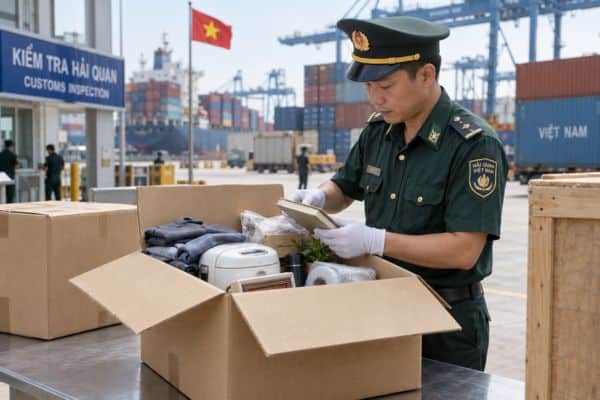
Vietnam’s customs authority maintains a list of prohibited and restricted items that goes well beyond the obvious (weapons, narcotics, counterfeit goods). A few items on that list are things ordinary households actually own, and getting caught with one of them undeclared can mean confiscation, fines, or a shipment held indefinitely at the port. As an overseas moving company, here’s what actually trips people up when shipping household goods to Vietnam.
The One Item Almost Nobody Expects: Drones
Any unmanned aerial vehicle, regardless of size, requires an import permit from Vietnam’s Ministry of National Defence before it can enter the country. This isn’t a customs formality you handle at the port; it’s a permit you need in hand before your shipment arrives, and failure to declare an undeclared drone results in confiscation. A consumer drone that’s completely unremarkable to ship anywhere else in the world falls under military import controls in Vietnam. If a drone is part of your shipment, flag it to your coordinator early so there’s time to sort out the permit, or plan to leave it behind.
Radio Equipment and Telecom Devices
Under Vietnamese import regulations (Decree 187/2013/ND-CP), radio equipment and radio-wave appliances that don’t comply with Vietnam’s own frequency plans and technical standards are prohibited from import. This can catch out satellite phones, high-power radio transmitters, and certain older or non-standard wireless devices. If you’re shipping specialized communications equipment rather than ordinary consumer electronics like laptops or phones, it’s worth confirming compliance before it ships rather than finding out at customs.
Print and Media Content in Quantity
A personal bookshelf isn’t a problem, but printed material, books, and media considered to undermine or criticize the Vietnamese government can be prohibited outright, and religious materials shipped in quantities suggesting distribution rather than personal use may be detained for review. This is less about content in your personal library and more about volume and apparent intent: a box of books for your own reading is different from cases of the same religious pamphlet.
Plant Material, Soil, and Untreated Wood
Vietnamese customs applies quarantine controls to plant and animal products, soil, and untreated wood, the same category of concern that trips up shipments across Asia generally. Wooden furniture, garden tools with visible soil, or crating built from non-certified wood can trigger a hold or refusal. We use ISPM-15 certified, heat-treated wood for all export crating specifically to avoid this, and we clean and inspect outdoor items before they’re packed.
What’s Flatly Prohibited, No Exceptions
Some categories aren’t a judgment call: weapons, ammunition, and explosive material; narcotics; counterfeit goods; pornography; and protected wildlife products, including ivory and items made from endangered species. Fireworks and sky lanterns are prohibited as well. Two declaration thresholds are worth knowing even though they’re not strictly a “prohibited items” question: cash or monetary instruments over VND 15,000,000 (roughly USD $600) must be declared on entry, and gold or jewelry over 300 grams must be declared separately regardless of whether it’s packed with your household shipment.
What Actually Happens If Something Gets Flagged
Vietnam Customs distinguishes between administrative and criminal violations depending on what’s involved and whether it was declared. An undeclared item that falls into a restricted category, rather than an outright prohibited one, typically means the item gets held while you sort out the required permit or documentation, which can take days to weeks depending on the agency involved. A genuinely prohibited item, weapons or narcotics, for example, is confiscated outright and can carry fines or worse. The practical takeaway: when you’re unsure whether something in your shipment qualifies as restricted, declare it and ask rather than assume it will pass unnoticed. Vietnamese customs does not treat “I didn’t know” as a defense.
A Note on “Used Consumer Goods”
Vietnam’s general import rules list used consumer goods as a restricted commercial import category, aimed at preventing secondhand goods from being imported for resale. This is a different framework from personal household effects moving under your own relocation status, which is the exemption that lets people actually ship used furniture, appliances, and personal belongings when relocating. The distinction matters, and it’s exactly why the eligibility requirements around your work visa and employment status (covered in our Vietnam documents checklist) determine which framework your shipment falls under.
Frequently Asked Questions
Can I ship my drone to Vietnam with my household goods?
Only with an import permit from Vietnam’s Ministry of National Defence, obtained before your shipment arrives. This applies to drones of any size, not just larger commercial models. Undeclared drones are confiscated at customs.
Is used furniture actually allowed into Vietnam?
Yes, when it’s part of a genuine household relocation under the personal effects framework, distinct from the general restriction on importing used consumer goods commercially. Your eligibility depends on your visa and employment status.
Will wooden furniture or crating get held at customs?
It can, if the wood isn’t certified or shows visible soil contamination. We use ISPM-15 certified heat-treated wood for all crating to avoid this, and inspect outdoor and garden items before packing.
Planning a Move to Vietnam?
We review your inventory before it ships, flag anything likely to draw customs attention, and handle the packing and documentation around it. See our packing services for how we prepare shipments for compliance, or request a quote to get started.