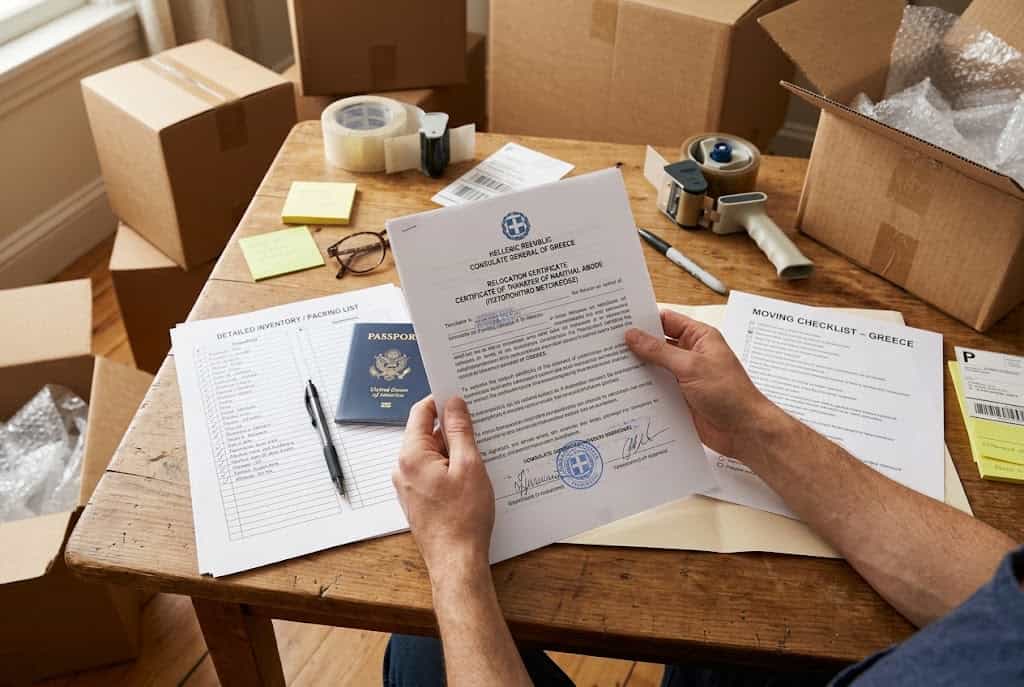

How Long Does It Take to Move Overseas? A Timeline Based on Where You Live in the U.S.
Last Updated: April 2026
One of the most common questions when planning an international move is how long the process actually takes. The honest answer depends on your departure location, destination, shipping method, and customs clearance requirements at the other end. This guide breaks down realistic timelines by US departure region and destination, so you can plan with accurate expectations rather than vague ranges. For an overview of how SDC coordinates the full door-to-door process, visit our international shipping company overview.

The Full Timeline: What Happens Before the Ship Leaves
Ocean transit is only one part of the timeline. The full door-to-door process includes several phases before and after the ship sails, and understanding each one helps you plan your move date, arrival date, and housing timeline more accurately.
Pre-move planning and booking (1 to 2 weeks)
Once you engage SDC, a coordinator works with you to confirm shipment size, packing dates, destination customs requirements, and documentation. This phase typically takes one to two weeks depending on your readiness. Starting this process two to three months before your target departure date gives the most flexibility on vessel schedules and avoids peak season constraints.
Packing and origin services (1 to 3 days)
Export-grade packing is not the same as domestic packing. Materials and techniques are selected for long-distance transit, humidity, vibration, and multiple handling points across borders. A detailed inventory is created during packing, which becomes the foundation of the customs documentation package. Learn more about SDC’s professional international packing service.
Container consolidation or freight booking (1 to 2 weeks)
Full container loads (FCL) move forward quickly once packed. Less than container load (LCL) shipments require consolidation with other goods heading to the same destination, which typically adds seven to fourteen days before departure. LCL is cost-effective for smaller moves but requires more scheduling flexibility.
Ocean freight transit (varies by route)
See the destination breakdowns below for specific ocean transit ranges. Port congestion, seasonal demand, and weather can affect these windows, though well-established routes to Europe and Asia typically run on predictable weekly sailing schedules.
Customs clearance and final delivery (1 to 3 weeks)
After arrival at the destination port, customs clearance and final delivery add one to three weeks in most cases. Countries with strict biosecurity requirements (Australia, New Zealand) or complex duty structures can extend this window. Documentation accuracy is the single most controllable factor in clearance speed.
Total estimated timeline
Door-to-door, most international household moves take six to sixteen weeks depending on origin, destination, and shipping method. FCL moves to well-connected destinations fall toward the lower end. LCL moves to more remote destinations or countries with stricter customs fall toward the higher end.
Estimated Timelines by US Departure Location
West Coast: Los Angeles, San Francisco, Seattle
West Coast ports offer the fastest routes to Asia, Australia, and the Pacific Islands. Direct container service from Los Angeles and Seattle to major Asian and Australian ports runs on frequent weekly schedules.
- Best for moves to: Asia, Australia, Pacific Islands
- Sea freight transit (ocean leg only): 14 to 28 days to Asia; 20 to 28 days to Australia
- Door-to-door estimate: 7 to 13 weeks
- Air freight: 3 to 7 days transit
- Inland origins: Moves from inland California, Oregon, or Washington add 3 to 7 days for drayage to the port
East Coast: New York, Miami, Boston, Baltimore
East Coast ports offer the most direct routes to Europe, the Middle East, and Africa, with frequent departures on well-established transatlantic lanes.
- Best for moves to: Europe, Middle East, Africa
- Sea freight transit (ocean leg only): 10 to 18 days to Northern Europe; 20 to 30 days to the Middle East
- Door-to-door estimate: 6 to 12 weeks
- Air freight: 2 to 5 days transit
- Inland origins: States like Pennsylvania, Vermont, or North Carolina add 2 to 4 days for ground transport to the port
Midwest and Mountain States: Chicago, Denver, Kansas City, Salt Lake City
Inland origins have no direct port access, which adds a meaningful ground or rail transport leg before international departure. This is the most significant timeline variable for Midwest-origin moves.
- Additional inland transport: 1 to 2 weeks to reach a coastal hub
- Door-to-door estimate: 8 to 16 weeks depending on destination
- Air freight: 4 to 7 days transit
- Note: Chicago has rail connections to both East and West Coast ports, which can reduce drayage time compared to more landlocked origins
Southern and Gulf Coast: Houston, New Orleans, Atlanta, Dallas
Gulf Coast ports, particularly Houston, offer direct container service to Latin America and Europe and have strong connections to Asian routes via the Panama Canal.
- Best for moves to: Latin America, Europe, parts of Asia
- Sea freight transit (ocean leg only): 14 to 25 days to Europe; 20 to 35 days to Asia
- Door-to-door estimate: 7 to 14 weeks
- Air freight: 3 to 6 days transit
- Inland origins (Atlanta, Dallas): Add 3 to 5 days for ground transport to Houston or another Gulf port
How Destination Affects the Timeline
Europe
Well-established shipping lanes and efficient port infrastructure make Europe one of the more predictable destinations. Weekly departures from both coasts keep schedules flexible. FCL moves run six to twelve weeks door-to-door. LCL moves typically run eight to sixteen weeks depending on consolidation timing. Customs clearance in most EU countries is straightforward for household goods when Transfer of Residence documentation is complete.
Asia
Routes to Japan, South Korea, Singapore, and China are well-served from both coasts. West Coast origins are faster. Door-to-door typically runs seven to thirteen weeks. Port congestion in some Asian ports can add time, and customs documentation in China and India tends to be more detailed than in Europe.
Australia and New Zealand
Geographic distance means longer ocean transit regardless of US origin coast. Door-to-door typically runs seven to thirteen weeks. Australia and New Zealand have strict biosecurity inspections — outdoor items including bikes, garden tools, and wooden furniture must be thoroughly cleaned before packing or risk quarantine holds at arrival. Documentation is thorough but predictable when prepared correctly.
Middle East and UAE
Most shipments to the UAE clear through Jebel Ali port in Dubai. East Coast origins typically see twenty-five to thirty-five days of ocean transit. Door-to-door runs ten to sixteen weeks. Duty-free entry for household goods requires a UAE residence permit, and the shipment must arrive within six months of permit issuance.
Canada and Mexico
Proximity means shorter timelines, often three to seven weeks door-to-door. Overland routes are commonly used for both destinations. Customs requirements are still stringent, particularly for high-value shipments and vehicles, so documentation preparation remains important despite the shorter distance.
What Causes Delays and How to Avoid Them
Customs documentation errors
Incomplete or inconsistent paperwork is the most common and most avoidable cause of delay. Missing signatures, mismatched values, or vague item descriptions can hold a shipment at the destination port for days or weeks. Preparing documentation thoroughly before departure is the single most effective way to protect your timeline.
LCL consolidation timing
Shared container shipments wait for consolidation before departure. Flexibility with your move date, particularly to high-volume destinations like the UK or Germany, can reduce wait time significantly.
Port congestion and seasonal demand
Summer and December are the peak seasons for international moves. Port congestion during these periods can add days to transit. Booking earlier and considering shoulder-season move dates reduces this risk.
Biosecurity inspections
Australia, New Zealand, and some other destinations conduct detailed biosecurity inspections. Items that have contact with soil, sea life, or organic material can be flagged for cleaning or destruction. Following pre-departure cleaning guidelines for outdoor items eliminates most of this risk.
Last-mile access challenges
Historic European cities, island destinations, and buildings without elevator or dock access can complicate final delivery. Confirming building access requirements and coordinating any necessary permits before the delivery date prevents delays at the finish line.
Frequently Asked Questions
How far in advance should I book my international move?
Two to three months before your target departure date is the practical minimum for most moves. During peak seasons (May through August and December), booking earlier helps secure preferred vessel schedules and packing dates.
Is air freight worth it for a full household move?
Rarely. Air freight costs are significantly higher per cubic meter than sea freight, and most airlines have strict weight and volume limits. A combined approach works well for some clients: essentials by air to arrive quickly, full household following by sea.
Does FCL or LCL make a bigger difference to the timeline?
FCL is consistently faster because the container moves as soon as it’s packed and booked. LCL adds a consolidation wait of one to two weeks before departure and may involve additional handling at the destination during deconsolidation. For time-sensitive moves, FCL is the better choice if the volume justifies the cost.
What is the single biggest thing I can do to protect my timeline?
Prepare complete, accurate customs documentation before your shipment departs. Documentation errors are the most common cause of avoidable delays and can hold a shipment at the destination port for days or weeks while corrections are obtained.