Shipping Household Goods to Hong Kong from the USA
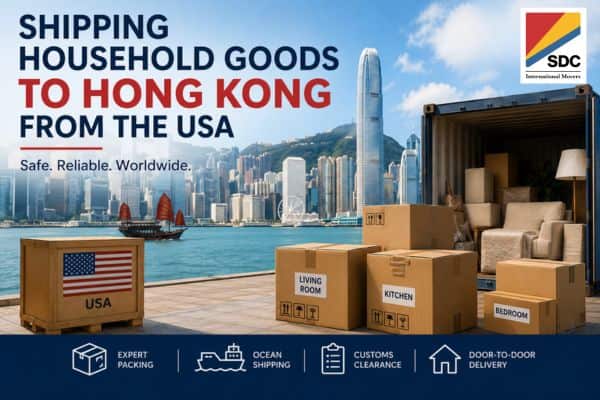
Hong Kong’s duty-free treatment of personal household goods makes it one of the more straightforward Asia-Pacific destinations to ship to, but the apartment sizes and building logistics common in the city raise practical questions that a general moving guide does not always answer. This article focuses specifically on what happens when your furniture, boxes, and personal effects actually arrive at a Hong Kong port and need to get into a high-rise apartment.
SDC International Shipping is a licensed door-to-door international shipping company serving all 50 U.S. states, with regular household goods routes to Hong Kong.
Yes, You Can Ship Furniture to Hong Kong Duty-Free
Household goods, including furniture, are eligible for duty-free import into Hong Kong as long as the items are used personal effects and not intended for resale. This applies to furniture, books, kitchenware, clothing, electronics, and most personal belongings. There is no requirement to hold a Hong Kong work visa or residence status before shipping, which differs from many other Asian destinations, and there are no restrictions on bringing local or foreign currency with you, which simplifies the financial side of the move.
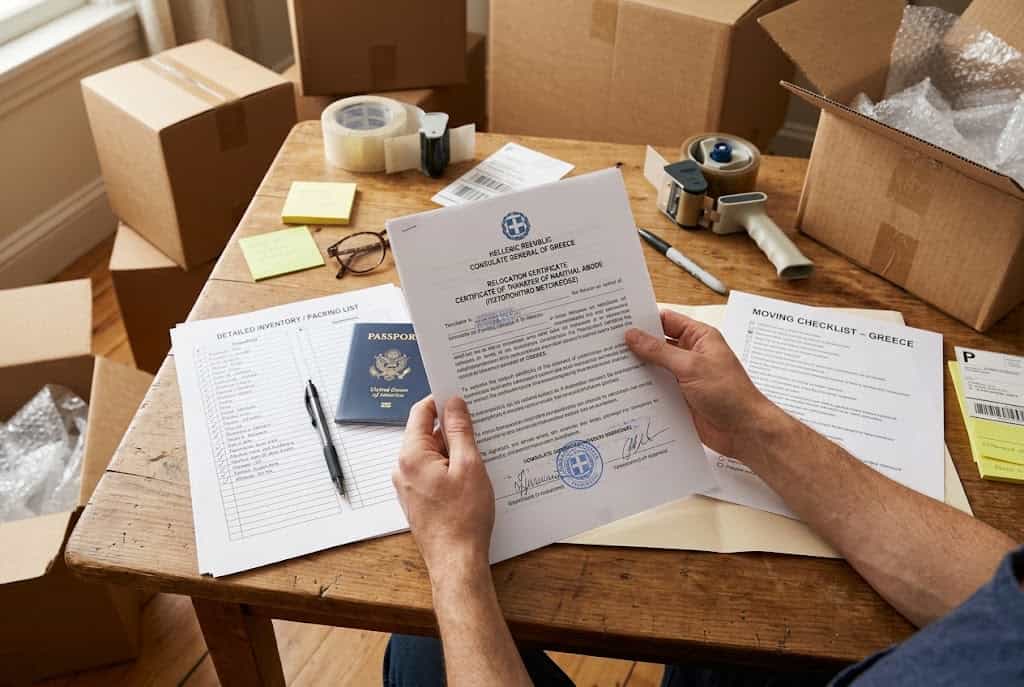
The duty-free status hinges on accurate paperwork. Your shipment needs a detailed, itemized packing list, the Bill of Lading, a valid passport copy, and, if a third party is handling clearance on your behalf, an authorization letter. Items requiring a license, such as firearms or certain medications, need that documentation in hand before the shipment arrives. Hong Kong customs inspects shipments closely, and a packing list that does not match what is physically in the container is the most common cause of clearance delays.
Sizing Your Shipment for Hong Kong Apartment Buildings
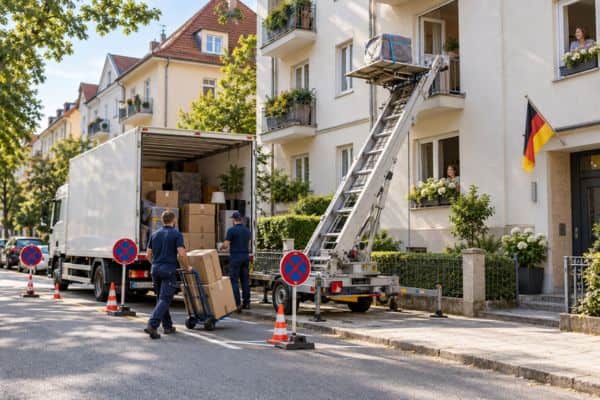
This is where Hong Kong differs meaningfully from a U.S.-to-Europe or U.S.-to-Australia move. Hong Kong apartments, particularly in Hong Kong Island and Kowloon, tend to run smaller than comparable U.S. housing, and building access is often constrained: narrow lift cars, weight limits on elevators, loading dock booking windows, and buildings that require advance notice and a certificate of insurance before a delivery crew can even enter. SDC’s destination agents in Hong Kong coordinate these building requirements ahead of delivery day so the crew is not turned away on arrival, which is a more common problem than most clients expect.
Oversized American furniture, sectional sofas, large dining sets, king bed frames, is the item category most likely to cause a problem at delivery, not at customs. If you are moving from a U.S. home into a Hong Kong apartment, it’s worth reviewing your furniture list with your coordinator before packing day. Some clients choose to sell large furniture domestically and furnish with smaller-scale pieces locally rather than ship items that may not fit through the building’s service elevator.
Sea Freight vs. Air Freight for the Hong Kong Route
Sea freight is the standard choice for full household shipments to Hong Kong and offers both LCL (Less than Container Load) and FCL (Full Container Load) options. LCL works well for studio or one-bedroom volumes, sharing container space with other shipments on the same route. FCL, in a 20-foot or 40-foot container, is the better choice once you’re shipping a two-bedroom home or more, since your goods load, seal, and travel without additional handling until they reach Hong Kong customs.
Air freight is faster but priced for smaller, time-sensitive shipments rather than full households, useful if you need a subset of essential items, documents, or work equipment to arrive ahead of your main sea shipment. Most clients moving a full household choose sea freight for the bulk of their goods and may air freight a small priority shipment separately if their work timeline requires it.
Packing Considerations for the Hong Kong Climate
Hong Kong’s humidity, particularly from late spring through early autumn, affects how household goods should be packed and how quickly they should be unpacked after arrival. Wooden furniture, books, and anything with fabric upholstery benefit from moisture-resistant wrapping during ocean transit, and SDC’s professional packing service uses materials suited to long humid-climate transits rather than standard domestic moving wrap. Once your shipment clears customs and reaches your apartment, unpacking promptly rather than leaving boxes sealed in a humid environment helps prevent moisture issues with paper goods, wood, and electronics.
What Cannot Go in Your Hong Kong Shipment
Beyond the standard prohibited categories, narcotics, weapons without proper licensing, and counterfeit goods, Hong Kong customs pays particular attention to items requiring specific import licenses, including certain medications, plants, and some electronics with restricted radio frequencies. If you have a specific item you’re unsure about, it is far easier to flag it with your coordinator before packing than to have it held at the port after arrival.
Transit Time and Timeline Planning
Sea freight from the U.S. to Hong Kong generally runs four to six weeks port to port, depending on your origin coast and whether your shipment moves as LCL or FCL. West Coast departures typically see the shorter end of that range; East Coast and Gulf Coast departures run longer due to the extended ocean routing. Add origin packing time and destination customs clearance, typically several business days to a week once the shipment arrives, when planning your overall timeline. Booking your shipment date six to eight weeks ahead of your needed delivery window gives enough buffer for normal variability in port schedules.
Frequently Asked Questions
Do I need a Hong Kong visa before shipping my household goods?
No. Unlike many destinations, Hong Kong does not require proof of residence status to import household goods duty-free. You can ship ahead of your visa being finalized, which is useful for clients whose work permit timeline is uncertain.
Will my U.S. furniture fit in a Hong Kong apartment?
It depends on the building and unit size. Large sectional sofas, oversized dining tables, and king bed frames are the items most likely to face access problems at delivery. Share your floor plan and building details with your coordinator before packing so any sizing concerns are flagged early.
Can I ship my car along with my household goods?
SDC ships vehicles only inside containers alongside household goods, never as a stand-alone shipment. Vehicle import to Hong Kong requires emission compliance documentation, a vehicle list filed within 14 days of arrival, and an import return form within 30 days, followed by registration with the Hong Kong Transport Department.
How do I get started?
Contact SDC for a home survey and a quote tailored to your shipment volume and Hong Kong destination. Your coordinator will recommend the right container configuration, walk through building access requirements at your delivery address, and build a packing and shipping timeline around your move date.