
Shipping a Car from South Korea to the USA: Customs and Import Guide
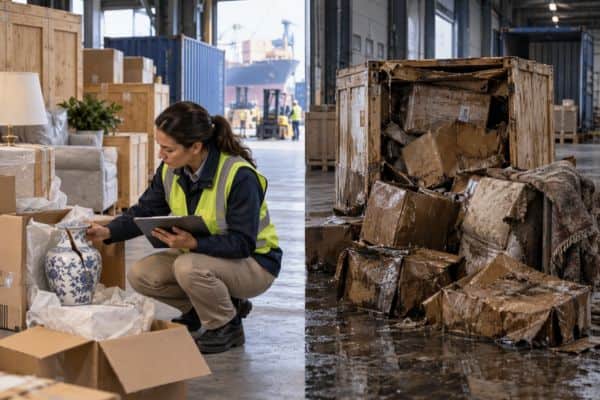
Shipping a car from South Korea to the United States is not a casual errand. Your vehicle crosses an ocean, passes through customs, EPA, and DOT review, and has to clear agricultural inspection before it can legally hit the road. As an FMC-licensed door-to-door moving company, SDC ships vehicles as part of your full household move, not as a standalone service, and that distinction matters more than most first-time movers expect.
Why We Don’t Offer Standalone Car Shipping or RoRo
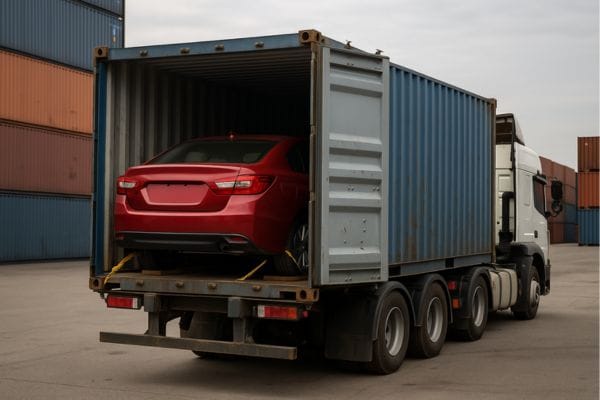
Some carriers advertise Roll-On/Roll-Off (RoRo) shipping, where your car is driven onto the ship’s deck without a container. It’s cheaper, but it means real exposure: sea air and weather can cause rust and corrosion, an unenclosed vehicle is more accessible to theft, and your car clears customs separately from your household goods, doubling your paperwork and your points of failure.
SDC doesn’t offer RoRo. Your car ships inside the same sealed container as your household goods, immobilized with wheel chocks and heavy-duty bracing so it can’t shift during transit. Everything travels under one Bill of Lading, which means one customs record instead of two and one point of contact instead of several. See our RoRo vs. container comparison for the full breakdown.
Preparing Your Vehicle Before It Ships
Before your car leaves South Korea, it needs to be cleaned inside and out, including the undercarriage and wheel wells, to satisfy USDA agricultural inspection standards. Dirt, soil, or plant residue on the undercarriage is one of the more common reasons a container gets held at the port for cleaning or re-inspection, not just a formality. We provide a cleaning checklist and can arrange professional undercarriage washing before loading.
Every loose item inside the vehicle also has to be declared as part of your household inventory; anything undeclared risks a customs hold. Before loading, we photograph the car from multiple angles, including the odometer and VIN, and document any existing scratches or dents. That photo record supports both your marine insurance claim and customs verification if any question comes up later.
On loading day: leave the gas tank at a quarter tank or less, disconnect or disable any car alarm, confirm tires are properly inflated, and check fluid levels for leaks. Your coordinator will walk through this checklist with you before your scheduled pickup.
Customs, Compliance, and What It Actually Costs
Your vehicle needs its own set of documents alongside your household goods paperwork: the original title and registration, CBP Form 3299 for the personal-property declaration, EPA Form 3520-1, and DOT Form HS-7 for environmental and safety compliance. Some vehicles need modifications or a temporary exemption to meet U.S. standards, which we’ll flag before you ship rather than after your car is already at a U.S. port.
Cost is where most people get caught off guard. Vehicles don’t qualify for the household-goods duty exemption that covers your furniture and personal effects, and the rate on Korean-origin vehicles has moved substantially in the past year. Cars built in Korea entered the U.S. duty-free for roughly a decade under the KORUS trade agreement, then faced a 25 percent Section 232 tariff in 2025, before a November 2025 bilateral deal brought the rate down to 15 percent. Given how much that’s shifted in a short window, confirm the current rate with your coordinator before you commit to shipping a car, since it materially changes whether shipping one makes financial sense versus buying after you arrive. See our complete guide to international customs regulations for the general documentation process.
Container Size and Insurance
A 20-foot container typically fits one car plus a modest one to two-bedroom household shipment; a 40-foot container suits a larger household or multiple vehicles. Your coordinator confirms sizing during your pre-move survey, and occasionally recommends a high-cube container for an SUV or oversized furniture. See our full international car shipping page for how this works across all our corridors.
Because your vehicle is a high-value asset and ocean transport carries inherent risk even with careful bracing, we recommend all-risk marine insurance covering both your car and household goods under a single policy.
Frequently Asked Questions
Can I ship my car separately from my household goods to save money?
We don’t offer that as a standalone service. Shipping your car in the same container as your household goods means one Bill of Lading, one customs record, and no coordination gap between two separate carriers.
Will my car qualify for duty-free entry like my household goods?
No. Vehicles are handled separately from the household-goods exemption and are currently subject to a 15 percent tariff on Korean-origin vehicles, a rate that has changed twice in the past year. Confirm the current rate with your coordinator before deciding whether to ship.
What’s the most common reason a vehicle shipment gets held at the port?
Dirt or plant residue on the undercarriage that fails USDA agricultural inspection. Professional undercarriage cleaning before loading is what prevents this.
How long does it take for my car to arrive alongside my household goods?
Because your vehicle ships in the same container, it follows the same timeline as your household shipment: roughly 18 to 25 days ocean transit from Busan to the US West Coast, plus customs clearance and final delivery once your container reaches port. There’s no separate schedule to track.
Ready to Ship Your Car with Your Household Goods?
We’ll walk through current duty exposure, confirm container sizing during your survey, and build your vehicle prep checklist into the same timeline as your household shipment. Call 877-339-0267 or request a quote to get started.