
What Is Menaje de Casa and How Does It Work for Americans Moving to Mexico?
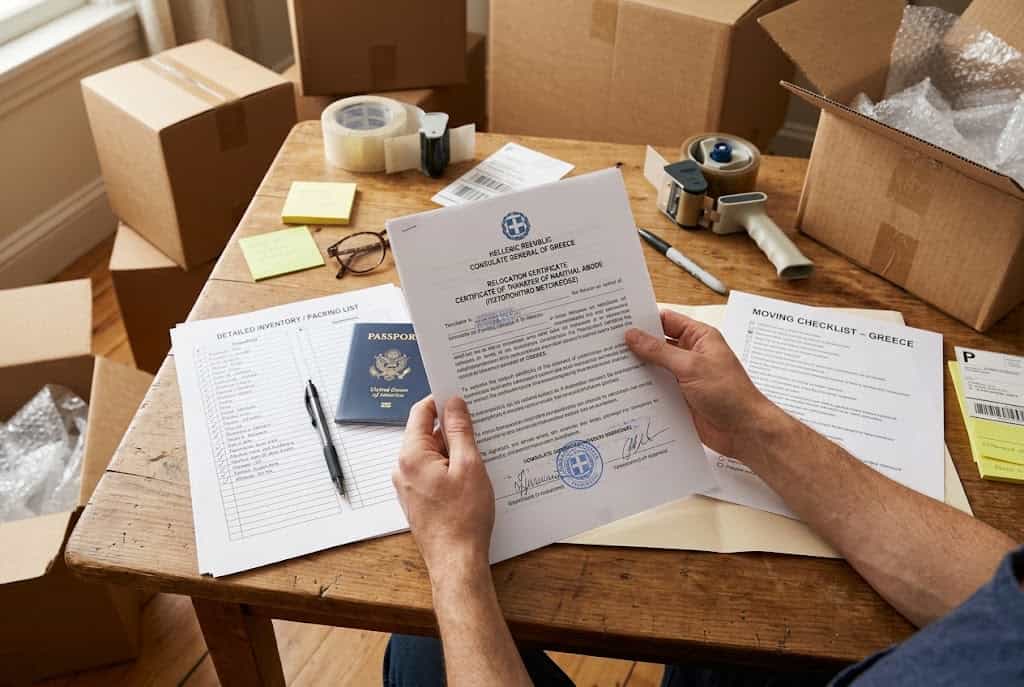
If you are moving household goods to Mexico from the USA, the menaje de casa is the most important customs document in your move. It is the itemized inventory of your household goods and personal effects, certified by a Mexican consulate, that establishes your right to import used belongings into Mexico duty-free. Without it, or with an incomplete or incorrectly prepared version, your shipment may face significant duties at the port of entry. Understanding what the menaje de casa is, what it requires, and how to prepare it correctly is essential before your goods leave the US. Working with a licensed overseas moving company that regularly coordinates Mexico moves will make this process considerably more straightforward.
What the Menaje de Casa Is
The menaje de casa is a detailed inventory of all household goods and personal effects being imported into Mexico as part of a residential relocation. The term translates roughly as “household furnishings” or “household effects,” and that is exactly what the document covers: the contents of your home that you are bringing with you to establish a new residence in Mexico.
Mexican customs uses this document to classify your shipment as unaccompanied baggage eligible for duty-free importation. It is the primary mechanism through which household goods moves are distinguished from commercial imports. Without an approved menaje de casa, your shipment is treated as a standard import and assessed Mexican import duties, which can be substantial on a full container of household goods.
Who Qualifies
To qualify for the menaje de casa duty-free exemption, you must hold a valid Mexican residency visa, either temporary or permanent. Tourist status does not qualify. This is an important point for Americans who plan to enter Mexico on a tourist permit and then convert to residency from within the country. The residency application must be made at a Mexican consulate in the USA before you enter Mexico, and the visa must be in hand before your goods arrive at the Mexican port of entry. The visa or resident card should have been issued within the previous six months, and the goods must reach Mexico within six months of your first entry as a resident. The benefit is one-time, so later shipments are taxed as ordinary imports.
Status also changes the treatment. Several Mexican consulates describe permanent residents as importing duty-free, while temporary residents import under a temporary regime for the length of their status, with the goods expected to leave Mexico when they do. Which one applies to you depends on your visa and the consulate that certifies your list.
The goods themselves must be used personal effects and household items that you owned prior to the move. New, unopened, or recently purchased items that appear commercial in nature do not qualify under the menaje de casa exemption and may be assessed duties separately. Items present in quantities that suggest resale intent are also likely to be flagged by Mexican customs.
What the Document Includes
The menaje de casa must be a comprehensive, itemized inventory of everything in the shipment. Each item or category of items is listed with a description sufficient for customs to identify it. The document is signed by you as the owner and certified by a Mexican consulate in the United States before the container sails. Once it is stamped it cannot be changed, so the list has to match what is actually packed. It is then submitted to Mexican customs as part of the clearance package alongside your passport, residency visa, and other supporting documents.
The inventory needs to be accurate and consistent with the actual contents of the container. Mexican customs can and does inspect shipments, and discrepancies between the declared inventory and the physical contents are a common cause of holds, additional duties, and delays. Vague descriptions, missing items, or items that appear new when described as used all create problems at clearance.
What to Include
Furniture, clothing, books, kitchenware, artwork, electronics, bedding, personal collections, and other everyday household items all belong in the menaje de casa inventory. A car is the exception: it is not part of the menaje de casa and needs its own import approval, covered below.
What Not to Include
Items that are brand new and appear commercial, items in commercial quantities, and items that are restricted or prohibited under Mexican law should not appear in the menaje de casa inventory. Food items, plants, and certain animal products are restricted. Firearms require separate import permits and cannot simply be listed on a menaje de casa as household goods. If you have items you are unsure about, discuss them with your coordinator before the inventory is prepared.
How and When to Prepare It
The menaje de casa must be certified by a Mexican consulate before your shipment sails. It cannot be produced after the fact or submitted after the vessel docks. This means the preparation process needs to be underway well before your packing date, not after.
In practice, the process works as follows. Your packing survey produces a detailed room-by-room inventory of your household goods. That inventory becomes the basis for the menaje de casa document. The document is then reviewed, signed by you, and presented to a Mexican consulate for certification. The stamped original travels with your other customs documents and is submitted to Mexican customs when your shipment arrives at port.
Some Mexican consulates in the USA also review and stamp the menaje de casa as an additional step, depending on the destination state within Mexico and the consulate’s current requirements. Your SDC coordinator will confirm whether consulate review applies to your specific move and, if so, factor the appointment lead time into your move schedule. Consulate appointments in cities with high expat traffic can book out several weeks, so this step needs to be initiated early.
Common Mistakes and How to Avoid Them
Waiting Too Long to Start
The menaje de casa cannot be an afterthought. Americans who treat it as paperwork to be completed close to the move date frequently run into problems because the consulate appointment and certification take more time than expected. The document preparation should begin as soon as the packing survey is complete, which should be several weeks before the planned pack date.
Incomplete or Vague Descriptions
Listing items as “miscellaneous household goods” or grouping large numbers of items under a single vague descriptor is one of the most consistent causes of customs inspection and delay on Mexico-bound moves. Each significant item should be described clearly enough for a customs officer to identify it without opening the box. Professional packing services produce a carton-by-carton inventory during the packing process, which gives you a document detailed enough to satisfy Mexican customs requirements.
Including Items That Don’t Qualify
Including new, unopened, or commercially packaged items in a menaje de casa that is meant to cover used personal effects creates inconsistency that customs is trained to identify. If you have recently purchased items you want to bring to Mexico, discuss how to handle them with your coordinator before the inventory is finalised.
Not Having Residency in Place
The menaje de casa exemption requires a valid Mexican residency visa. Americans who enter Mexico on a tourist permit and plan to sort out residency later cannot use the menaje de casa for a shipment that arrives before residency is established. The residency process must be started at a Mexican consulate in the USA before entry, and the visa must be secured before the shipment arrives.
FAQs
Can I ship goods to Mexico without a menaje de casa?
You can ship goods without one, but they will be assessed Mexican import duties rather than entering duty-free. For a full household move, those duties can be significant. The menaje de casa exists specifically to allow people establishing residence in Mexico to import their personal belongings without this cost, so the effort of preparing it correctly is almost always worth it.
How long does menaje de casa approval take?
The consulate appointment is the part that sets the schedule. Many consulates work by appointment only, and the lead time can run several weeks, so book it as soon as the survey is done and the visa is in hand. Once the stamped list is back, nothing else holds up the packing date. Your coordinator will advise based on your origin city and destination in Mexico.
Does the menaje de casa cover a vehicle?
No. A car is not part of the menaje de casa and needs its own approval, which depends on your status. Temporary residents can generally bring a foreign-plated car under a Temporary Import Permit from Banjercito. Permanent residents cannot get that permit, so the car would have to be permanently imported within a model-year window that moves forward each November, or kept inside a border free zone. SDC ships vehicles only when they are containerized with household goods, and does not handle vehicle-only shipments. Confirm the route before the car goes into a container.
What happens if my menaje de casa is rejected by Mexican customs?
If the document is incomplete, improperly certified, or inconsistent with the shipment contents, customs may hold the shipment pending correction, assess duties on the entire shipment, or in some cases return specific items. Resolving a rejected or flagged menaje de casa from the Mexican port is significantly more difficult and expensive than preparing it correctly from the start. This is why working with a coordinator experienced in Mexico moves is worth the investment on this particular document.