Long Distance Relationships: The Do’s and Don’ts
*Updated on February 17, 2025
The story is as old as time: two people fall in love, career opportunities pull them to different locations, and they face the challenge of maintaining their connection across miles. While long-distance relationships (LDRs) have always been challenging, today’s technology and shifting perspectives on remote work have changed the landscape dramatically.
Recent studies show that over 14 million couples in the US consider themselves in long-distance relationships, and with good strategies, many are thriving. Here’s a comprehensive guide to navigating the complexities of loving from afar.

Setting the Foundation: Essential Ground Rules
Establish Clear Expectations
The cornerstone of any successful LDR is open communication about expectations. Before the distance begins:
- Have honest conversations about exclusivity
- Discuss communication frequency that works for both of you
- Address concerns about visits and financial responsibilities
- Talk about your long-term vision for the relationship
As relationship expert Dr. John Gottman points out, “Successful long-distance couples are those who talk about their talking.” Creating clarity prevents misunderstandings that can be particularly damaging when you’re not physically present to resolve conflicts.
Reframe Your Perspective
See Distance as an Opportunity
Rather than viewing distance as an obstacle, consider it an opportunity for growth. Research from Cornell University suggests that long-distance couples often experience:
- Deeper, more meaningful communication
- Greater appreciation for time spent together
- Increased individual autonomy and personal growth
- Enhanced trust and commitment when navigated successfully
Finding Communication Balance
Quality Over Quantity
One of the most common mistakes in LDRs is overcompensation through constant communication. Instead:
- Focus on meaningful conversations rather than continuous texting
- Schedule regular video calls but allow for spontaneity
- Respect each other’s need for personal space and local social connections
- Use asynchronous communication (voice notes, thoughtful emails) when time zones conflict
Creating Shared Experiences
Digital Togetherness
Modern technology offers countless ways to share experiences:
- Use Netflix Party or similar apps to watch shows simultaneously
- Play online games that allow for cooperation and teamwork
- Take virtual tours of museums or destinations together
- Cook the same meal while on video call for a “shared” dinner date
Parallel Activities
Engage in similar activities independently, then share your experiences:
- Read the same book and discuss it
- Follow the same workout program and track progress together
- Listen to the same podcast and share your thoughts
- Take up a mutual hobby you can practice separately but discuss together
Making Visits Meaningful
Quality Time Planning
When you do get to see each other:
- Balance between special outings and everyday activities
- Meet each other’s local friends to better understand daily life
- Create rituals that mark your time together
- Take photos and create mementos to sustain you during apart times
Nurturing Individual Growth
Personal Development
A healthy LDR allows both partners to flourish individually:
- Pursue personal goals and share your progress
- Maintain local friendships and social activities
- Develop new skills or hobbies that enrich your life
- Use alone time for self-reflection and growth
Navigating the Challenges
Dealing with Loneliness
It’s normal to feel lonely sometimes. Healthy coping strategies include:
- Acknowledging your feelings without judgment
- Building a strong local support network
- Practicing mindfulness when missing your partner becomes overwhelming
- Creating physical reminders of your partner for comfort (photos, items with their scent)
Planning for the Future
Closing the Distance
Whether you’re just starting a long-distance journey or considering closing the gap with a move, remember that the strength of your relationship isn’t measured in miles, but in how you support each other’s growth while nurturing your connection.
When the time feels right to end the distance:
- Discuss timing that works for both partners’ life circumstances
- Research locations that offer opportunities for both of you
- Consider a trial period of living together before a permanent move
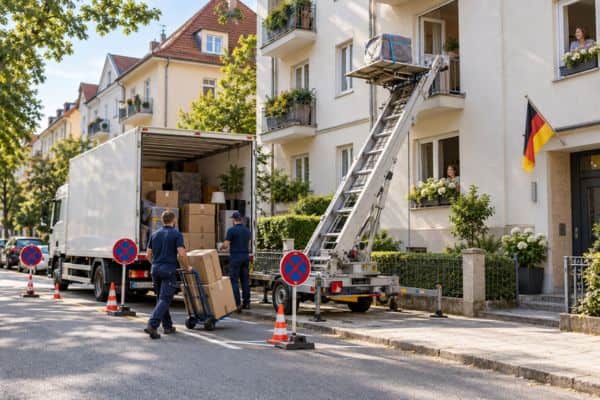
- Work with professional movers who specialize in relocation
If Moving Isn’t Right Yet
Not every LDR needs to rush toward cohabitation:
- Set milestones to evaluate the relationship’s progress
- Discuss potential timeline changes openly
- Consider temporary visits of increasing length
- Recognize that some couples thrive with elements of distance long-term
The Digital Toolkit for LDRs
Beyond basic video calls, modern couples can leverage:
- Apps specifically designed for LDRs (Couple, Between, Lasting)
- Calendar sharing to stay in sync with each other’s lives
- Digital touch devices that can send haptic feedback across distances
- Shared digital spaces for planning future events together
Success Stories

Many couples have navigated long distances successfully, including:
- Military families who maintain strong bonds through deployments
- Academic couples who balance careers at different institutions
- International relationships that flourish across borders
- Digital nomads who combine travel with maintaining their relationship
When You Need Support
Don’t hesitate to seek help if needed:
- Consider relationship counseling specializing in LDRs
- Join online communities of other long-distance couples
- Read evidence-based books on maintaining connection across distance
- Attend virtual workshops designed for couples living apart
Remember, distance is just one dimension of a relationship. With intentionality, creativity, and commitment, your connection can not only survive the miles but grow stronger because of them.