Largest Ports in the World
*Updated October 2025
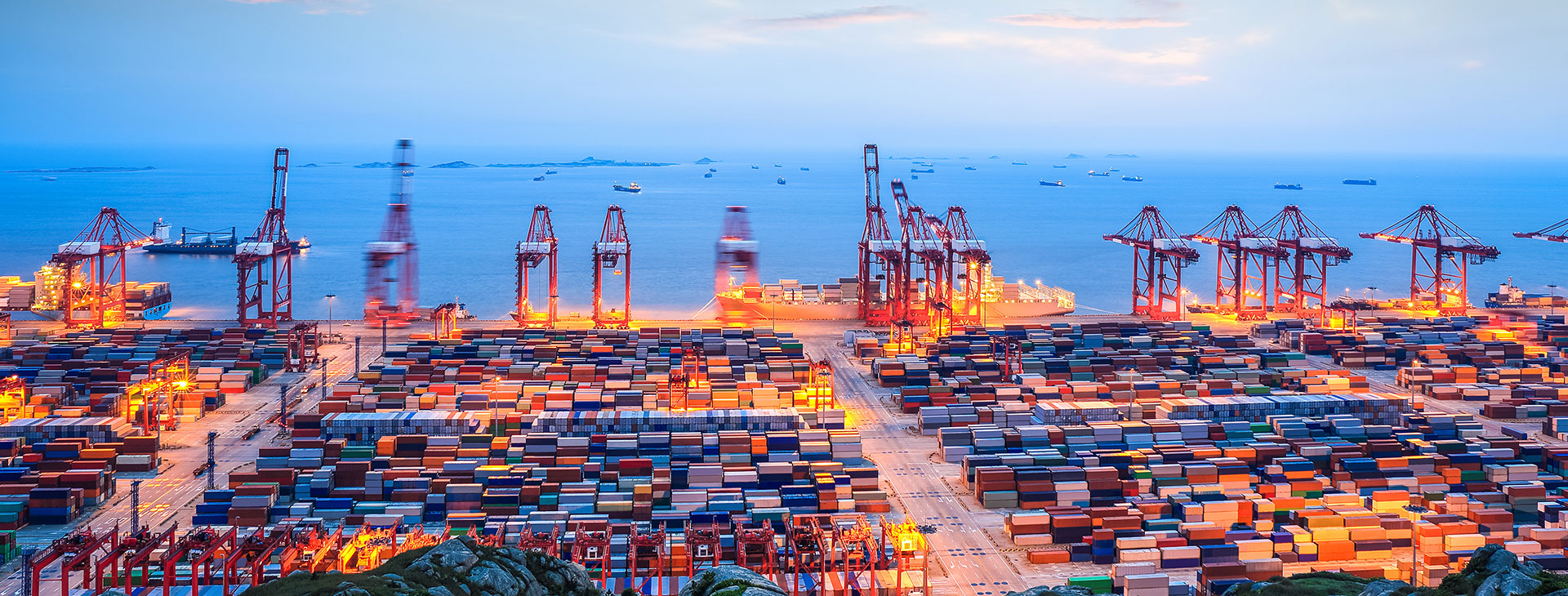
The world’s biggest container ports remain dominated by Asia, with China accounting for the majority of the top ten. These hubs move tens of millions of TEUs (twenty-foot equivalent units) and billions of tons of cargo each year. Below is our refreshed list of the ten busiest ports in 2025 (based on the latest full-year volumes and 2025 developments), why they matter, and the trends shaping their next decade.
Why Ports Matter to Global Trade
Maritime transport carries well over 80% of world merchandise trade by volume. Ports aren’t just quays and cranes—they’re complex ecosystems where ocean, road, rail, and barge networks converge. In 2025, operators are juggling three big forces at once: lingering geopolitical reroutes (for example, Red Sea diversions), labor constraints, and a rapid shift toward automation and lower-carbon operations. Planning around these realities helps shippers cut risk and keep lead times predictable.
Top 10 Busiest Container Ports in 2025
#1. Port of Shanghai, China
Shanghai remains the world’s busiest container port, having surpassed the 50 million TEU mark in 2024—a first for any port. Deep-water capacity at Yangshan and ongoing automation underpin its scale, while green-fuel and efficiency programs aim to reduce quay-to-gate turn times. Expect continued volume resilience thanks to China’s export engine and the Yangtze River hinterland.
#2. Port of Singapore
Singapore set an all-time record in 2024 with roughly 41 million TEU, cementing its role as the world’s premier transshipment hub. The Tuas Megaport continues to ramp in phases and is master-planned for up to 65 million TEU at full build-out, keeping Singapore competitive on reliability and connection density across hundreds of global ports.
#3. Port of Ningbo-Zhoushan, China
Ningbo-Zhoushan stays firmly in third place with mid-30-million-TEU volumes and deep-water berths for the largest boxships. Its Hangzhou Bay location and strong rail links make it a Belt-and-Road workhorse for East China supply chains.
#4. Port of Shenzhen, China
Shenzhen’s multi-terminal complex (Yantian, Shekou, Chiwan, Dachan Bay) sits near the 30-million-TEU mark in aggregate. Close integration with the Pearl River Delta’s manufacturing belt and Hong Kong cross-border flows keeps Shenzhen a critical South China gateway.
#5. Port of Qingdao, China
Qingdao moved high-20-million-TEU volumes in 2024. It’s also a major energy and bulks hub (iron ore, crude). Automated yard systems—including driverless handling—continue to lift productivity and reduce dwell.
#6. Port of Guangzhou (Nansha), China
Southern China’s largest port blends deep-sea mainline calls with dense feedering up the Pearl River system. With mid-20-million-TEU throughput and ongoing barge and yard upgrades, Guangzhou remains pivotal for Guangdong’s industrial corridors.
#7. Port of Busan, South Korea
Busan handles just over 23 million TEU annually, serving as Northeast Asia’s key transshipment gateway. Capacity expansions and terminal automation help offset regional competition, while Korea’s strong export base (electronics, autos, machinery) sustains core volumes.
#8. Port of Tianjin, China
Tianjin, the main seaport for Beijing and northern China, crossed the low-20-million-TEU threshold in 2024. It continues to benefit from industrial shift-north patterns and investment in rail and barge corridors into the Bohai Rim.
#9. Port of Jebel Ali, UAE
Jebel Ali remains the Middle East’s heavyweight with high-teens-million-TEU volumes. Its integrated free-zone and warehousing clusters make it a natural pivot for Red Sea diversions and an anchor for Gulf and East-West trade lanes.
#10. Port of Hong Kong
Hong Kong, still a key regional hub thanks to deep natural harbors at Kwai Tsing, has seen competitive pressure from neighboring Shenzhen and Guangzhou. It remains important for high-value, time-sensitive freight and South China consolidation.
Challenges and Trends in 2025
Geopolitical reroutes: Ongoing Red Sea disruptions have shifted some Asia–Europe flows around the Cape, lifting transshipment activity at hubs like Singapore and Jebel Ali. Automation: Fully and semi-automated yards (for example, Qingdao and Shanghai’s Yangshan) are trimming truck turn times and stabilizing productivity. Decarbonization: More terminals are trialing electric yard equipment and alternative fuels, while regulators tighten emissions reporting. Seasonality: Lunar New Year and electronics peaks continue to drive short-term volatility—build buffer into time-critical routings.
How Port Choice Affects Your Shipment
Transit time and reliability: Choosing a primary hub (such as Singapore, Shanghai, or Busan) often means more weekly sailings and steadier schedules, which can reduce rollover risk compared with smaller gateways. Total landed cost: The cheapest ocean rate isn’t always cheapest overall—terminal handling charges, drayage distance, barge or rail options, and storage rules can swing your final invoice. Customs and documentation: Big hubs usually have mature processes for specialized cargo and clearance, helping cut delays. Network resilience: If your routing depends on a single hub, consider a Plan B to hedge against weather or labor events.
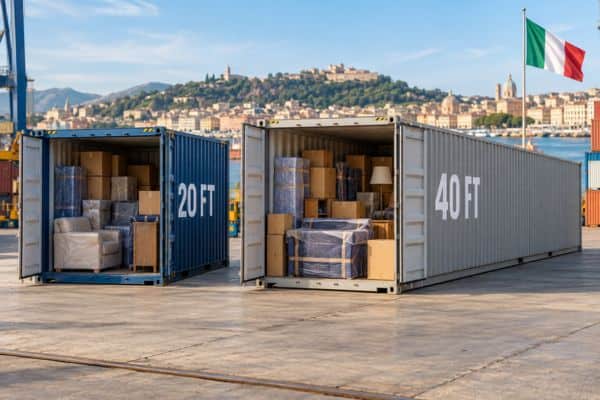
For household or project cargo moves, the best results come from mapping the full door-to-door chain: origin pickup flexibility, mainline service frequency, transshipment risk, inland haulage, and destination delivery windows. That’s where an experienced forwarder coordinates the pieces and protects your lead time.
Honorable Mentions and Movers to Watch
Rotterdam (Netherlands): Europe’s largest port remains a high-efficiency gateway for the Rhine corridor and a bellwether for EU demand. Port Klang and Tanjung Pelepas (Malaysia): Beneficiaries of Southeast Asia manufacturing shifts and alternative Asia–Europe routings. Los Angeles/Long Beach (USA): North America’s largest complex; on-dock rail expansions aim to cut dwell. Antwerp-Bruges (Belgium): Deep chemical and breakbulk expertise plus solid inland barge links. Ho Chi Minh City and Hai Phong (Vietnam): Capacity additions mirror Vietnam’s rise as a manufacturing base.
Methodology and Notes
This ranking reflects the latest full-year volumes available (largely 2024) plus 2025 operational context. Figures originate from port authorities and industry reporting; exact tallies can vary slightly by source due to reporting windows and transshipment counting conventions.
Quick Glossary
TEU: Twenty-foot equivalent unit, the standard measure of containerized volume. Transshipment: Moving a container from one vessel to another at an intermediate port. FCL/LCL: Full Container Load (your own box) versus Less than Container Load (shared container). Gate-to-gate time: Time from terminal entry to exit; often a proxy for yard efficiency.
SDC Offers Premier International Shipping Services
Moving a household, vehicle, or artwork internationally? SDC International Shipping connects you to the world’s major ports with reliable door-to-door logistics, customs handling, and insured transport. Request a free quote to plan your next move with confidence.