
What to Pack and What to Leave Behind When Moving from Japan to the USA
Packing Smart for a New Life Abroad
Packing for an international move isn’t just about filling boxes—it’s about transitioning your entire life across continents. For many Japanese families, professionals, and students moving to the United States in 2025, the question isn’t just “what fits?” but “what truly matters?” Every item you decide to ship must pass through the lens of practicality, sentimentality, and customs clearance. And that can feel overwhelming.
Do you ship your entire wardrobe, or just essentials for the next season? What about your rice cooker or that vintage sake set your grandparents gifted you? How will U.S. customs view your skincare products or home remedies?

The good news? You’re not alone. SDC International Shipping has helped thousands of clients—just like you—pack wisely, pass through customs smoothly, and arrive at their new U.S. destination with confidence. We understand the emotional weight behind every item and the legal requirements that guide what can and cannot cross the border.
In this guide, we’ll break down exactly what to bring, what to leave behind, and how to approach the packing process like a pro. We’ll also explain how SDC’s expert packing team takes the stress off your shoulders with industry-approved materials, customs-ready inventory documentation, and shipping strategies tailored to your needs.
Let’s turn your packing process from panic to peace of mind.
Section 2: Start with a Strategic Packing Plan
Before you grab a cardboard box or roll of tape, it’s important to start your move with a well-structured packing strategy. One of the most common mistakes we see is jumping into packing too soon—without a clear plan, people end up shipping items they never use or overlooking essential documents and daily-use objects.
The first step? Decluttering. Use this opportunity to sort through your belongings and ask:
- Do I use this regularly?
- Can I replace it easily in the U.S.?
- Is it worth the cost to ship?
Create four clear categories:
✅ Pack and ship
✅ Store in Japan
✅ Sell or donate
✅ Discard responsibly
Many Japanese households have accumulated years’ worth of seasonal clothing, books, kitchenware, and electronic gadgets. While these items are often valuable, not everything makes sense to ship across the Pacific. Keep in mind: the more you ship, the more it costs—not just in shipping fees, but also in customs processing time and potential taxes on new or high-value goods.
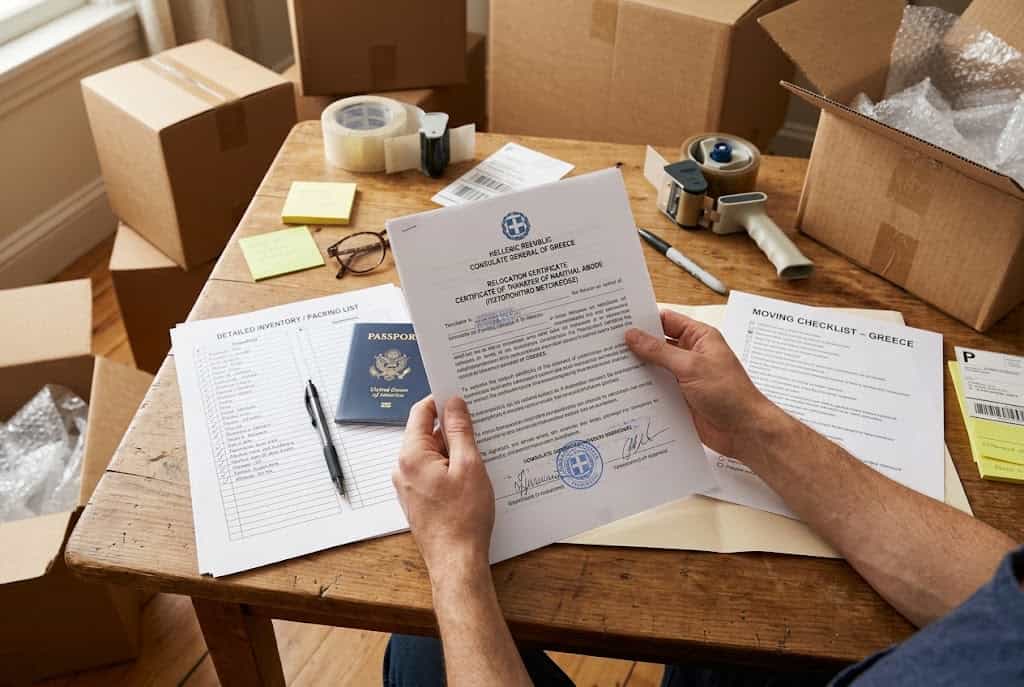
Build a Master Inventory
Once you’ve narrowed down what’s coming with you, start building an itemized packing inventory. This document is crucial for:
- U.S. customs clearance (CBP Form 3299)
- Insurance valuation
- Peace of mind (so you don’t forget what’s in each box)
We recommend organizing your inventory by room (kitchen, bedroom, office) and labeling each box with a matching number. For example:
- Box 1: Kitchen – dishes, kettle, cutlery
- Box 2: Bedroom – bedding, towels, alarm clock
Each entry should include:
- A clear description
- Quantity
- Estimated value in U.S. dollars
- Condition (new, used)
Need help? SDC provides a professional inventory list template and offers full packing documentation services.
Create a Packing Folder (Physical or Digital)
You’ll also want to prepare a “packing folder” where you store:
- Passport copies
- Visas and immigration paperwork
- Insurance documents
- Shipping agreements and tracking info
- Inventory printouts
- Important receipts (especially for electronics)
Keep this folder with you during travel—never pack it in a box.
Timing Matters
If you’re using sea freight, you’ll want to pack and ship at least 4–6 weeks before your move date. If you’re going with air freight, you can ship closer to your departure, but it’s more expensive. Keep in mind 2025 shipping delays are possible due to seasonal port congestion—especially in major entry points like Los Angeles and New York.
With a packing plan in place, the rest of the process becomes more manageable—and even exciting. Think of it as curating your future, not just sorting your past.
Section 3: What to Pack — Essentials for a Smooth Transition
When moving from Japan to the USA, it’s tempting to bring everything “just in case.” But space, shipping costs, and customs rules make it smart to focus on essential, versatile, and hard-to-replace items.
Clothing
The USA is vast and diverse in climate. Pack for your destination—not the entire country.
- California or Texas? Bring lightweight layers, UV-blocking gear, and casual wear.
- New York or Illinois? Prepare for cold winters with insulated coats, thermal underwear, and waterproof boots.
- Japanese-brand thermal wear like Heattech can be hard to find in the U.S.—pack it!
Also, bring comfortable indoor clothes. American homes often have central heating or A/C, so the indoor experience differs greatly.
Electronics
Japanese plugs and voltages differ from U.S. standards (100V vs. 120V, and plug types A/B), but most modern devices (phones, laptops, cameras) are dual-voltage.
- Must-haves: plug adapters, voltage converter (for small appliances), power strips
- Nice-to-haves: translation devices, Japanese-language input keyboards, backup hard drives
Pro tip: Label all cables and chargers before you pack to avoid stress later.
Medications and Health Records
Bring:
- A supply of prescription medications with English-translated prescriptions
- Over-the-counter medications commonly used in Japan (e.g., Eve, Pabron)—many are not sold in U.S. pharmacies
- A printout or USB of your medical history, including vaccination records
In 2025, many U.S. healthcare providers accept digital health records, so consider scanning and saving securely online.
Documents and Personal Records
Keep originals and copies of:
- Passports, visas, ID cards
- Marriage and birth certificates
- Academic transcripts and diplomas
- Tax records or pension certificates
- U.S. housing lease or job offer letter
Translate essential documents into English where applicable. SDC can provide professional recommendations for certified translators if needed.
Kitchen Tools and Home Goods
If you love Japanese cooking, bring your:
- Rice cooker (preferably multi-voltage or with a transformer)
- Chopsticks, bento boxes, and Japanese kitchen knives
- Donabe, miso strainers, and sushi molds
These can be hard to find or expensive in the U.S., depending on where you’re moving. Bring utensils you use daily, but avoid packing large appliances unless they’re dual voltage.
Sentimental Items
Photos, keepsakes, journals, and small mementos are priceless and irreplaceable. Pack these carefully—and carry the most valuable items with you on the plane.
Section 4: What Not to Pack — Prohibited or Problematic Items
Shipping to the USA comes with strict customs regulations. If you’re not careful, your shipment can be delayed, denied, or fined. Here’s what to leave behind or declare appropriately.
Prohibited Items
Do not pack:
- Fresh food, meats, plants, seeds, and soil — USDA restricts most biological materials
- Explosives, fireworks, and ammunition
- Pirated or counterfeit goods
- Pornographic materials (especially manga/doujinshi with ambiguous themes)
- Ivory, coral, or endangered animal products
Restricted Items
These items are allowed, but require special documentation or import licenses:
- Alcohol (subject to state laws and duties)
- Tobacco (highly taxed and restricted in volume)
- Medication (must be declared and in original packaging)
- Aerosol sprays, batteries, and chemical products
If you’re unsure, ask your SDC consultant before packing. We review all packing lists and flag potential red flags before they reach U.S. ports.
Bulky or Replaceable Items
It’s often better to sell or donate:
- Large furniture (beds, sofas)
- Home appliances (TVs, refrigerators) due to voltage incompatibility
- Books and magazines (bulky, heavy, and often replaceable)
You can furnish your U.S. home affordably via local stores, Amazon, or IKEA.
Section 5: Tips for Packing Fragile or Valuable Items
Protecting your belongings is key, especially when they’re crossing the Pacific Ocean. Whether it’s heirloom dishware, fine art, or your child’s first kimono, proper packing prevents heartbreak.
Use High-Quality Packing Materials
At SDC, we use ISPM-15-certified wooden crates, foam cushioning, climate-safe wraps, and reinforced boxes. For clients packing on their own:
- Use double-walled boxes
- Wrap fragile items individually with bubble wrap
- Fill gaps with foam peanuts or crumpled paper
Label Clearly
Each box should include:
- Box number
- Room category (e.g., “Kitchen – fragile”)
- List of contents
- “Fragile” or “This Side Up” markings in both English and Japanese
Specialty Items
SDC has dedicated protocols for:
- Fine art and antiques
- Musical instruments
- Collectibles and heirlooms We build custom crates and apply climate controls as needed.
Insurance coverage is also available—ask your relocation coordinator for details.
Section 6: The Case for Professional Packing Services
Professional packing isn’t just about convenience—it’s about reducing risk and ensuring customs compliance.
When you hire SDC International Shipping:
- We provide customized packing for international standards
- All materials meet U.S. customs and quarantine rules
- Your inventory is properly documented for CBP inspection
- Our insurance options are only valid when we pack your items
We also handle groupage shipping—ideal for smaller shipments. Your boxes are consolidated with other clients’ to reduce cost without compromising care.
Our packers are trained in U.S., Japanese, and international shipping protocols. That means peace of mind, less risk of damage, and faster customs clearance.
Section 7: Customs and Inventory — Documentation That Matters
The U.S. Customs and Border Protection (CBP) requires documentation that is accurate, complete, and easy to process.
Required Documents:
- Customs Form 3299 – Declaration for Unaccompanied Household Effects
- Detailed inventory – In English, listing each item and its condition
- Valued list – Total worth of goods, useful for insurance and taxes
- Non-resale certificate – Statement that items are for personal use, not for sale
How SDC Helps
We:
- Create a compliant packing list (English + Japanese)
- Review your documents before customs submission
- Assist with form 3299 and declarations
- Flag high-risk or restricted items before shipping
Our job is to keep your shipment from being delayed, taxed, or held at port.
Section 8: Leaving Items Behind — Storage Options in Japan
Not everything belongs in a shipping container. Whether you’re moving short-term or waiting on your U.S. housing situation, storing some of your belongings in Japan can be the smart choice.
📦 When to Store Instead of Ship:
- You’re relocating temporarily (students, contract workers)
- You’re still house hunting in the U.S.
- You have a second shipment planned later
SDC offers short- and long-term storage solutions in Japan, with facilities near Tokyo and Osaka. Our warehouses are:
- Secure and climate-controlled
- Accessible with scheduled retrieval
- Ideal for furniture, keepsakes, or seasonal items
Once you’re ready, we can ship from storage to your U.S. location, or consolidate with a future container.
Section 9: Bonus Tips — Downsizing, Digitizing, and Donating
Moving internationally is also a chance to lighten your load and start fresh.
💻 Digitize
- Scan documents and photos—avoid bulky folders
- Convert DVDs, CDs, and VHS to cloud or digital storage
📱 Sell or Donate
- Use apps like Mercari Japan, Yahoo Auctions, or Jimoty to sell goods
- Donate to local centers like Second Harvest or Mottainai Japan
🌱 Recycle Responsibly
Many municipalities in Japan offer eco-friendly disposal options. You can schedule pick-up for appliances, electronics, or large furniture before your departure.
SDC’s local coordinators can help connect you with local services or arrange pickup for items you don’t want to move.
Section 10: Call to Action — Let SDC Handle the Hard Stuff
You have enough on your plate. Packing for an international move shouldn’t keep you up at night.
With SDC International Shipping, you’re not just getting boxes onto a boat—you’re getting a professional, compassionate, and detail-oriented team that understands how life-changing this move is.
👉 Need help creating your packing list?
👉 Want us to take care of all packing and documentation?
👉 Not sure what U.S. Customs will flag?
Let’s talk.
✅ Request Your Free Quote Now
📞 Call Us: 877-339-0267
🌐 Learn About Our Packing & Shipping Services