

Is Montreal A Good Place To Live?
*Updated June 2025
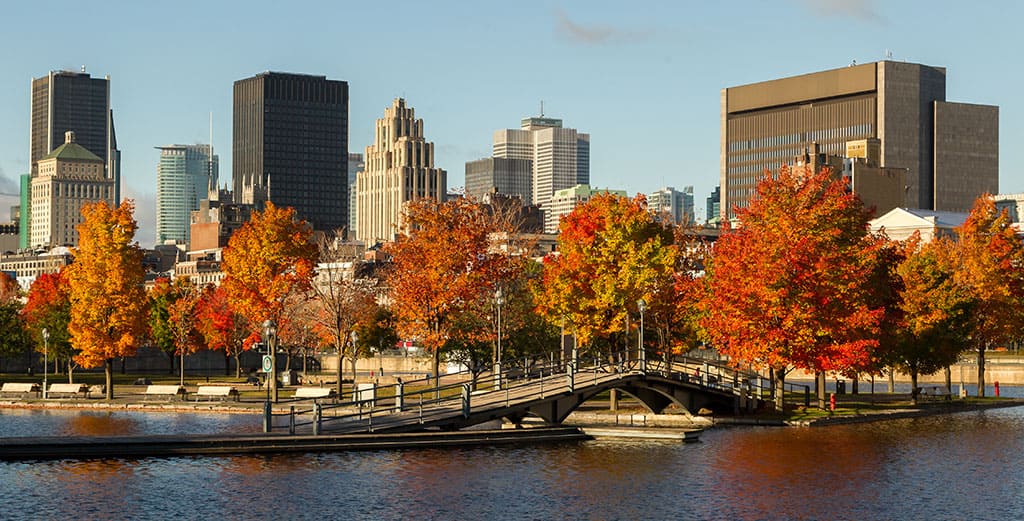
Montreal, Canada’s second-largest city, is a vibrant, multicultural hub renowned for its French-speaking culture, European-inspired architecture, and dynamic lifestyle. As the second-largest French-speaking city globally after Paris, it attracts international students, professionals, and tourists. Is Montreal a good place to live in 2025? SDC International Shipping has researched the latest data to provide a comprehensive guide on Montreal’s quality of life, cost of living, safety, job market, and more, helping you decide if this cosmopolitan city is your ideal home.
Moving to Montreal in 2025: What You Need to Know
Located in Quebec’s southwest on the Island of Montreal, where the Ottawa and Saint Lawrence rivers meet, Montreal is a cultural and economic powerhouse. With a population of 4.3 million in the Greater Montreal Area in 2024, it blends European charm with North American modernity. Statistics Canada Its French-speaking identity, vibrant nightlife, and historic architecture make it a unique destination. In 2025, Montreal continues to thrive as Quebec’s commercial hub and Canada’s cultural capital, hosting events like the Montreal International Jazz Festival and Igloofest.

Quality of Life in Montreal
Montreal ranks among North America’s top cities for quality of life, placing 4th in the 2024 Mercer Quality of Living Index and 23rd globally. Mercer Its multicultural environment, with over 120 cultural communities, fosters inclusivity for newcomers. The city’s blend of urban energy and green spaces, like Mount Royal Park, supports an active lifestyle. Montreal’s cultural scene, including festivals like Just for Laughs and the Formula 1 Grand Prix, attracts 11 million visitors annually, enhancing its global appeal. Tourisme Montréal
Residents enjoy a high standard of living, with access to universal healthcare and top-tier education. However, winters are harsh (average -10°C in January), requiring adaptation for newcomers from warmer climates. The city’s bilingual nature (60% French, 20% English) makes it accessible for English speakers, though basic French is recommended for integration.
Cost of Living in Montreal in 2025
Montreal remains more affordable than other Canadian cities like Toronto or Vancouver. According to Numbeo’s 2024 data, Montreal’s cost of living is 20% lower than Toronto’s. Numbeo A single person’s monthly expenses (excluding rent) average CAD $1,200, while a family of four averages CAD $4,300.
Housing: Rent varies by neighborhood. A one-bedroom apartment in central areas like Boulevard Saint-Laurent costs CAD $1,400-$2,200 monthly. Upscale areas like Westmount or Outremont range from CAD $1,800-$3,000. Buying a home in Westmount averages CAD $1.2 million, while more affordable areas like Laval or Notre-Dame-de-Grâce average CAD $500,000-$700,000. Realtor.ca
Utilities and Groceries: Monthly utilities (electricity, heating, internet) for a 85m² apartment cost CAD $150-$250. Groceries are slightly above the national average, with a weekly basket for two costing CAD $100-$150. Dining out is reasonable, with a meal at a mid-range restaurant costing CAD $20-$40 per person, though tipping (15-20%) is customary.
Wages: Montreal’s average household income in 2024 was CAD $82,000, slightly below the national average of CAD $90,000. Statistics Canada However, lower living costs balance this gap, making Montreal attractive for budget-conscious expats.
Job Market in Montreal
Montreal’s economy thrives in tech, aerospace, gaming, and healthcare. In 2024, the city’s unemployment rate was 4.5%, lower than the national average of 6.2%. Statistics Canada High-demand roles include software developers (average salary CAD $80,000-$120,000), nurses (CAD $60,000-$85,000), and aerospace engineers (CAD $90,000-$130,000). Companies like Ubisoft, Bombardier, and CAE are major employers. English speakers can find opportunities in tech and customer service, but bilingualism (French/English) enhances prospects, especially in public-facing roles.
For Americans, securing a job requires a work permit, such as the NAFTA Professional Work Permit under CUSMA, which fast-tracks professionals in fields like engineering or IT. IRCC Job boards like Indeed Canada and LinkedIn list opportunities.
Montreal’s Transit System
Montreal’s public transit, managed by the STM, is efficient and affordable. The metro system, with four lines and 68 stations, serves 1.2 million daily riders. STM Operating until 12:30 AM weekdays and 1:30 AM on weekends, a single fare costs CAD $3.75 in 2025. Monthly passes are CAD $97, making it cheaper than cities like Toronto (CAD $156). Buses and bike-sharing (BIXI) complement the system, while car-free living is feasible in central areas like Plateau-Mont-Royal.
How Safe is Montreal?
Montreal is one of Canada’s safest cities, with a 2023 homicide rate of 1.1 per 100,000, compared to the national average of 1.94. Statistics Canada Neighborhoods like Westmount and Côte-des-Neiges are particularly safe. Petty crimes like pickpocketing occur in tourist areas like Old Montreal, but overall, the city ranks safer than many U.S. and Canadian metropolises, per 2024 Numbeo Safety Index. Numbeo
Education and Family Life
Montreal is ideal for families, offering excellent education options. Public schools, primarily French-language, are free, with English-language schools available for eligible residents (e.g., those with Canadian citizenship). Private international schools, like Selwyn House, cater to expats (tuition CAD $20,000-$30,000/year). Universities like McGill and Concordia, ranked among Canada’s top 10, attract 40,000 international students annually. McGill University Family-friendly amenities include parks and festivals like La Ronde amusement park.
Visa Requirements for Moving to Montreal
Americans moving to Montreal need a visa or permit for stays beyond six months. Options include:
- Temporary Work Permit: Requires a job offer; valid for 1-3 years (e.g., CUSMA Professional Permit).
- Study Permit: For students at institutions like McGill (CAD $200 application fee).
- Permanent Residency: Via Express Entry or Quebec’s Skilled Worker Program, favoring French speakers.
Pros and Cons of Living in Montreal
Pros:
- Affordable cost of living compared to Toronto or Vancouver.
- Rich cultural scene with festivals and diverse communities.
- Safe, family-friendly environment with excellent schools.
- Strong job market in tech, healthcare, and gaming.
- Harsh winters (-10°C to -20°C) may challenge newcomers.
- French proficiency often required for public sector jobs.
- Lower average wages compared to other Canadian cities.
Is Montreal a Good Place to Live in 2025?
Montreal’s affordability, safety, and cultural vibrancy make it an excellent place to live for expats, students, and families. Its bilingual environment suits English speakers, though learning French enhances integration. The city’s robust job market, quality education, and welcoming atmosphere outweigh challenges like cold winters. In 2025, Montreal remains a top destination for those seeking a balanced, cosmopolitan lifestyle.
Move to Montreal with SDC International Shipping
Planning to relocate to Montreal? SDC International Shipping offers expert moving services, including household goods, vehicle shipping, and specialty items like artwork. With decades of experience, our global network ensures a seamless move from the U.S. to Montreal. Get a free quote today and start your Canadian adventure with confidence.