


How Much is It to Import a Car from Japan?
Updated March 2026
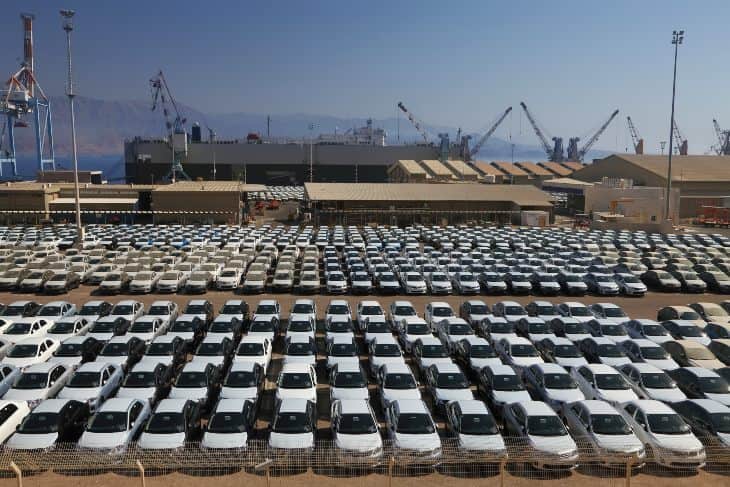
Importing a car from Japan to the US is one of the more document-intensive vehicle shipments SDC handles, and for good reason. Japanese vehicles, whether modern models being repatriated as part of a household relocation or JDM vehicles being imported under the 25-year rule, each carry their own regulatory requirements at the US port of entry. This guide covers the full process: container shipping logistics, federal compliance requirements, customs documentation, and what to expect at each stage. For a full overview of SDC’s door-to-door relocation service, SDC International Shipping handles vehicle and household goods moves from Japan to all 50 US states.
Why Americans Import Cars from Japan
Japanese vehicles ship to the US for two distinct reasons. The first is straightforward repatriation: Americans living in Japan who are relocating home bring their vehicle as part of the household move rather than selling it locally and replacing it in the US. The second is enthusiast importing under the 25-year rule, which allows vehicles manufactured 25 or more years ago to bypass current EPA emissions and DOT safety standards, opening up access to JDM models that were never officially sold in the US market.
Japanese manufacturers, including Toyota, Honda, Nissan, Subaru, and Mazda, have a strong reputation for longevity and low maintenance costs, which sustains demand for both categories. For the enthusiast market specifically, models from the late 1990s and early 2000s continue to become eligible each year, keeping interest in Japan-to-US vehicle imports consistently high.
Container Shipping from Japan: How It Works

SDC uses container shipping exclusively for vehicle moves from Japan. The vehicle is loaded into a 20ft or 40ft sealed steel container at the Japanese port, professionally braced with wheel chocks and straps secured to the container floor, and transported to the US port of entry without being driven on or off the vessel. This eliminates the handling exposure that occurs with roll-on roll-off shipping and provides a sealed environment that protects against salt air, weather, and tampering during the 14 to 25-day ocean transit.
For clients relocating from Japan who are also shipping household goods, the vehicle and personal effects travel together in the same container under a single export and import file. This is SDC’s standard approach for full household moves and offers meaningful advantages: one customs clearance process, one bill of lading, and the ability to pack personal effects inside the vehicle rather than leaving that space unused. SDC’s door-to-door household goods shipping service covers the full move, including the vehicle, from any Japanese port city to your US delivery address.
SDC delivers to all major US ports, including Long Beach, Los Angeles, Oakland, Tacoma, New York, New Jersey, Baltimore, Savannah, Jacksonville, and Galveston. The right arrival port depends on your US delivery address, current vessel schedules from your Japanese departure port, and whether you are shipping from Yokohama, Kobe, Osaka, or another location. Your SDC coordinator will confirm the optimal routing before booking.
Importing to California
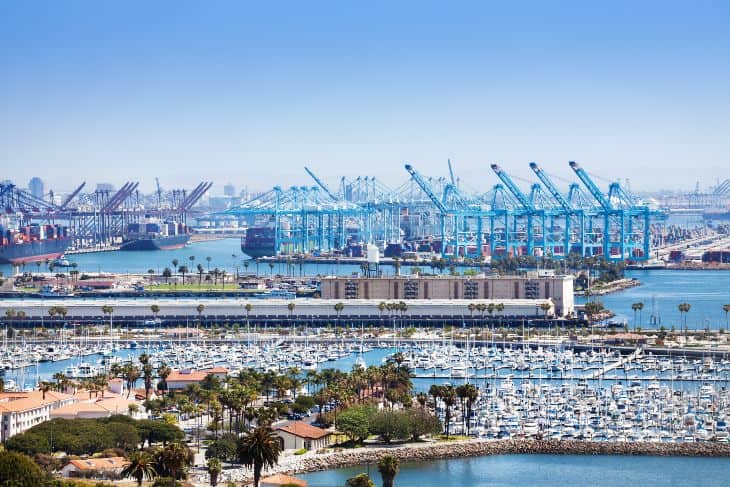
California is the most common US destination for Japan vehicle imports. Long Beach and Los Angeles handle the highest volumes from Japan, with Oakland as an alternative for Northern California deliveries. Ocean transit from Yokohama or Kobe to Long Beach typically runs 14 to 21 days.
California adds a layer of state-level compliance on top of federal requirements. Vehicles not originally certified for California emissions standards may require modification or may be exempt depending on age and category. The California Air Resources Board (CARB) requirements apply separately from federal EPA standards, and for non-exempt vehicles they are stricter. SDC coordinators handling California deliveries flag this issue early in the planning process, before the vehicle ships, so there are no surprises at the port.
US Import Requirements: What You Need to Know
The 25-Year Rule
Vehicles manufactured 25 or more years before the date of import are generally exempt from current EPA emissions standards and DOT Federal Motor Vehicle Safety Standards. This is the legal basis for most JDM enthusiast imports. The vehicle must still clear US Customs and pass USDA agricultural inspection, but the compliance modification process that applies to newer non-conforming vehicles does not apply.
Vehicles Under 25 Years Old
Newer vehicles imported as part of a household relocation — meaning a US resident returning home after living in Japan — can qualify for duty-free importation as a personal effect if the vehicle has been owned and used for at least one year prior to the move. This is the most common scenario for SDC clients relocating from Japan. The vehicle still requires EPA and DOT compliance certification unless it qualifies for an exemption, so documentation of ownership duration matters. Your SDC coordinator will walk through the specific requirements based on your vehicle, its age, and your residency situation.
Documentation Required
Standard documentation for importing a vehicle from Japan includes the original Japanese export certificate, bill of lading, bill of sale or proof of ownership, EPA Form 3520-1, DOT Form HS-7, and CBP entry documents. Right-hand drive vehicles may require additional state-level documentation depending on the destination state, as some states have restrictions or additional registration requirements for right-hand drive vehicles. SDC coordinates the full documentation package with clients before the shipping date.
USDA Agricultural Inspection
All vehicles entering the US must pass USDA inspection to confirm they are free of soil, seeds, and pests. The undercarriage, wheel wells, and engine bay are the primary inspection points. Vehicles that arrive at the US port with soil or organic material in these areas are held for cleaning at the importer’s expense, which adds both cost and clearance delay. Thorough cleaning before export from Japan, particularly of the undercarriage, is the most reliable way to prevent this.
Tariffs and Duties
Import duty rates on Japanese vehicles are subject to change based on US trade policy and any active bilateral trade measures. Rather than quoting a rate that may not reflect current conditions at the time of your shipment, SDC recommends confirming the applicable duty rate directly with US Customs and Border Protection (CBP) or a licensed customs broker before finalizing your shipping plan. Vehicles qualifying for duty-free importation as personal effects under the household goods exemption are generally not subject to standard import duties, subject to eligibility requirements.
Step-by-Step: Importing a Car from Japan with SDC
1. Vehicle preparation and export — The vehicle is cleaned thoroughly, fluids are drained or reduced as required by the shipping line, and Japanese export documentation is obtained. SDC coordinates with local agents in Japan for pickup and port delivery.
2. Container loading — The vehicle is loaded into a 20ft or 40ft container at the Japanese port, braced and strapped, and sealed. If household goods are included in the same shipment, they are loaded and inventoried alongside the vehicle under a single export file.
3. Ocean transit — The container ships to the designated US port. Transit from major Japanese ports to the US West Coast runs 14 to 21 days; to East Coast ports, transit is longer depending on routing.
4. US customs clearance — SDC coordinates filing of all required forms, payment of applicable duties, USDA inspection, and CBP release. Clearance time varies by port and workload but typically runs two to five business days after vessel arrival under normal conditions.
5. Delivery and registration — The vehicle is delivered to your home or a designated address. State title and registration requirements vary, particularly for right-hand drive or non-originally-certified vehicles, and should be confirmed with your state DMV before the vehicle arrives.
Frequently Asked Questions
Can I ship my car with my household goods?
Yes, and for clients relocating from Japan this is SDC’s recommended approach. The vehicle and household goods travel together in the same container under one customs file, which simplifies clearance and reduces total shipping cost compared to two separate shipments.
How long does shipping from Japan to the US take?
Ocean transit runs 14 to 25 days depending on departure port in Japan and destination port in the US, with West Coast ports faster than East Coast. Add time for customs clearance and final delivery after the vessel arrives.
What about right-hand drive vehicles?
Right-hand drive vehicles can be imported and transported to any US state, but state-level registration and road use rules vary. Some states have restrictions or require additional documentation. Your SDC coordinator can advise based on your destination state before you ship.
Do I need insurance for the transit?
SDC recommends comprehensive marine insurance covering the full declared value of the vehicle for the transit period. Standard carrier liability does not cover full replacement value. SDC’s moving insurance options cover the vehicle and any household goods in the same container under a single policy.
Ready to get started?
Request a quote here and an SDC coordinator will follow up to discuss your vehicle, departure location in Japan, US destination, and timeline.