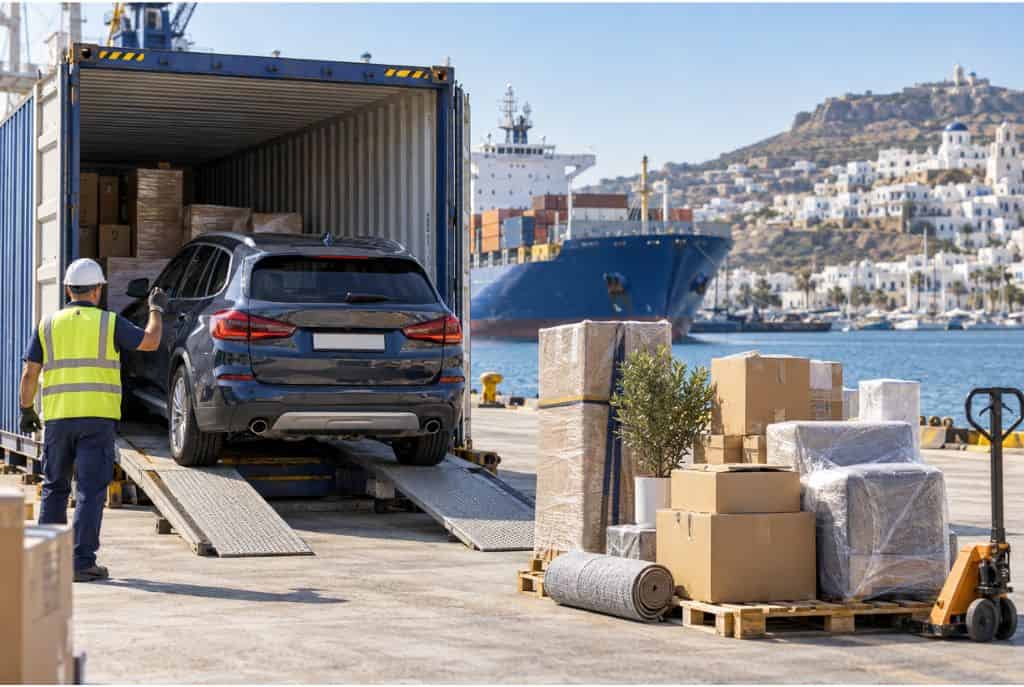

How to Ensure Smooth Vehicle Shipping from Germany to the USA
*Updated January 2026
Shipping a vehicle from Germany to the United States is a regulated, documentation-driven process that requires careful planning. While it may feel complex at first, vehicle shipping can be handled smoothly when it is properly integrated into a household goods relocation. At SDC International Shipping, we specialize in containerized vehicle transport as part of a broader international move, allowing your vehicle to travel securely alongside your household goods under one coordinated customs and logistics plan.
This guide explains how vehicle shipping from Germany to the USA actually works, what regulations apply, why containerized shipping is preferred, and how to avoid delays, damage, or unexpected costs.
Who This Vehicle Shipping Guide Is For
This page is written for individuals, couples, and families relocating from Germany to the United States who are shipping household goods and would like to include a vehicle as part of the same move.
Vehicle-only shipments are not the focus here. SDC ships vehicles when they are containerized with household goods, allowing the entire relocation to move under one customs file, one timeline, and one point of accountability.
Key Regulations and Preparations
Shipping a vehicle to the USA requires compliance with both German export rules and U.S. import regulations. Unlike household goods, vehicles are reviewed individually and must meet specific eligibility criteria.
- Emissions and Safety Compliance
U.S. Environmental Protection Agency (EPA) and Department of Transportation (DOT) regulations apply to all imported vehicles. Vehicles over 25 years old are typically exempt from many compliance requirements, while newer vehicles must meet U.S. standards or qualify under a specific exemption. - Ownership and Usage History
Vehicles should be owned and used prior to relocation. Recently purchased vehicles may trigger additional scrutiny and documentation requirements. - Pre-Shipping Vehicle Preparation
Vehicles must be thoroughly cleaned, including the undercarriage, to satisfy U.S. agricultural inspections. Alarms should be disabled, fuel levels reduced, and personal items removed unless approved as part of the containerized household shipment.
Container Shipping vs RO-RO Shipping
Vehicles can be shipped internationally using either containerized shipping or roll-on/roll-off (RO-RO) services. While RO-RO may appear simpler, it introduces limitations that make it unsuitable for most household relocations.
Why Container Shipping Is Preferred
- Maximum Security
Vehicles are secured inside sealed steel containers, protected from weather exposure, theft, and port handling risks. - Household Goods Integration
Your vehicle can ship in the same container as your furniture and personal effects, reducing handling and simplifying customs clearance. - Controlled Loading and Unloading
Vehicles are professionally blocked, braced, and secured using soft straps and wheel chocks, eliminating movement during transit.
For a detailed comparison, see RO-RO vs Container Shipping.
Documentation Required for Vehicle Clearance
Vehicle clearance requires precise documentation. Missing or inconsistent paperwork is one of the most common causes of delays.
- Original Vehicle Title
Must show clear ownership or include lienholder authorization. - EPA Form 3520-1
Confirms emissions compliance or exemption. - DOT Form HS-7
Confirms safety compliance or exemption. - Bill of Lading
Issued by the carrier, linking the vehicle to the containerized household shipment.
When vehicles move with household goods, documentation is coordinated so the vehicle does not delay release of the entire shipment.
What Happens at the U.S. Port of Entry
Once your container arrives in the United States, both household goods and vehicles are reviewed by U.S. Customs and Border Protection (CBP). Vehicle inspections are routine and do not indicate a problem when documentation is in order.
Customs officers verify VIN numbers, match paperwork to the vehicle, and may visually inspect the vehicle inside the container. Cleanliness, documentation accuracy, and professional loading significantly reduce inspection time.
After customs release, the container moves to a bonded facility or directly to delivery, depending on routing and destination access.
Common Reasons Vehicle Shipments Are Delayed (and How to Avoid Them)
Most vehicle shipping delays do not happen because of shipping itself. They happen when documentation, eligibility assumptions, or timing expectations are misaligned. Understanding where delays typically occur helps you avoid them before your container ever leaves Germany.
Incomplete or Mismatched Documentation
Customs delays often stem from small inconsistencies, such as a VIN number listed incorrectly, a title that does not clearly show ownership, or missing EPA or DOT declarations. When a vehicle ships inside a household goods container, these errors can delay release of the entire shipment, not just the vehicle.
SDC coordinates vehicle documentation alongside household goods paperwork so customs sees one consistent, complete file.
Assuming a Vehicle Is Automatically Eligible
Not all vehicles are eligible for import, even if they are common in Europe. Emissions standards, manufacturing origin, vehicle age, and intended use all matter. Problems arise when eligibility is assumed rather than confirmed before loading.
This is why vehicle qualification is done before container loading, not after arrival.
Poor Vehicle Preparation
Vehicles that arrive dirty, leaking fluids, or with loose personal items may trigger additional inspections. Agricultural inspections, in particular, are sensitive to soil, organic residue, and plant matter.
Proper cleaning, fluid checks, and secure loading reduce inspection time and lower the risk of secondary handling.
Unrealistic Timing Expectations
While containerized vehicle shipping is predictable, it is not instantaneous. Customs review, inspections, and bonded warehouse scheduling all take time. Planning with reasonable buffers prevents frustration and avoids rushed decisions that can increase costs.
A well-planned move assumes inspections may occur and builds flexibility into the delivery schedule.
State-Level Considerations After Arrival
Federal customs clearance allows entry into the U.S., but vehicle registration is handled at the state level. Requirements vary by state and may include emissions testing, safety inspections, or documentation review.
Some vehicles may require minor modifications or verification before they can be registered locally. This is why eligibility is evaluated before shipping, not assumed after arrival.
Insurance and Risk Management
While containerized shipping minimizes risk, insurance provides protection against rare but unpredictable events. Coverage is typically arranged as part of your overall household goods insurance policy.
Learn more about coverage options at International Moving Insurance and Marine Insurance.
Why SDC Recommends Containerized Vehicle Shipping
SDC International Shipping treats vehicle transport as an extension of your household move, not a standalone transaction. This approach reduces risk, improves coordination, and keeps the relocation predictable.
- Single Point of Coordination
One team manages packing, container loading, documentation, customs, and delivery. - Professional Vehicle Securing
Vehicles are secured using industry-standard methods designed for ocean transit. - Custom Planning
Classic cars, motorcycles, and specialty vehicles receive tailored solutions.
Best Practices for a Smooth Vehicle Move
- Confirm eligibility before shipping
- Prepare documents early
- Ship vehicles only when integrated with household goods
- Avoid RO-RO shortcuts that increase risk
Final Thoughts
Shipping a vehicle from Germany to the USA does not need to be stressful. When planned correctly and integrated into a household relocation, containerized vehicle shipping offers the safest, most controlled, and most predictable outcome.
If you are planning a household move to the United States and would like to include a vehicle, speak with a coordinator who can review eligibility, timing, and logistics before your shipment begins.