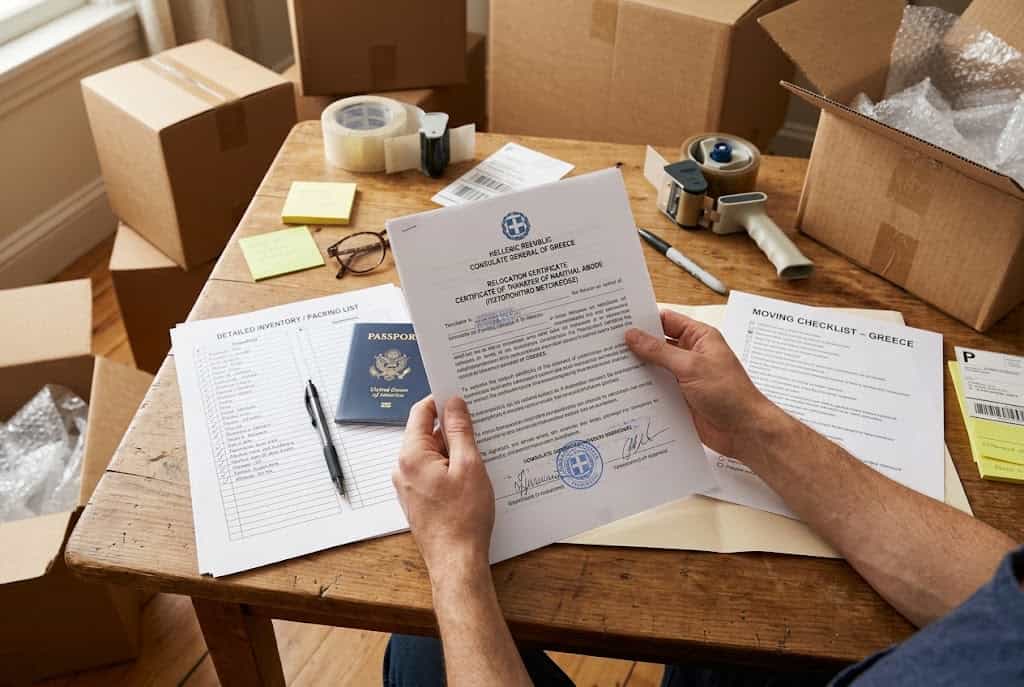

What Happens If Your Household Goods Don’t Qualify for Duty-Free Entry?
Why Duty-Free Eligibility Matters More Than People Realize
Most people assume that shipping household goods internationally is automatically duty-free. The logic feels sound, belongings are used, personal, and part of a life move, not a commercial import.
In reality, duty-free entry is conditional, not guaranteed.
Customs authorities around the world treat duty-free household goods as a privilege tied to specific eligibility requirements. When those requirements are not met, even unintentionally, the shipment is no longer viewed as personal effects. It is treated as a taxable import.
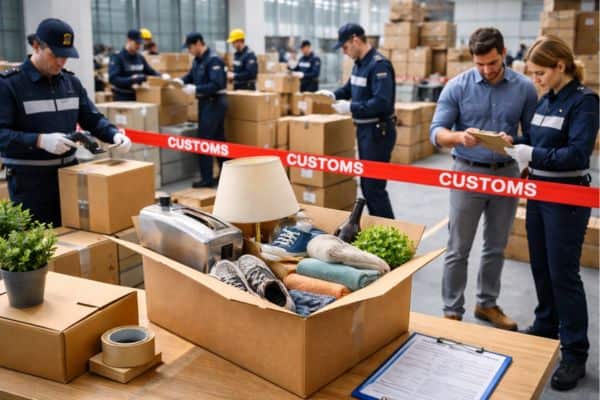
Why This Catches So Many Movers Off Guard
The problem is not that the rules are hidden. It’s that they are rarely explained clearly during the planning stage.
Most movers focus on logistics, packing dates, and transit time. Duty-free eligibility is often assumed rather than confirmed. By the time customs evaluates the shipment, it is too late to adjust timing, documentation, or contents.
This is why duty-free problems usually feel sudden and unfair, even though the decision is procedural.
Duty-Free Status Is Not a Default Setting
Customs does not start from the assumption that a shipment qualifies for duty-free entry.
Eligibility must be demonstrated through documentation, timing, and consistency. Customs evaluates whether the shipment genuinely represents a change of residence and whether the goods meet the conditions required for exemption from duties and taxes.
If that link is unclear, duty-free status is denied, even when the items are used and personal.
Why “Used Household Goods” Is Not Enough
Many movers believe that being used automatically makes items duty-free.
Used status is only one factor. Customs also considers:
- How long the goods have been owned
- When they are shipped relative to the move
- Whether they are tied to a primary residence
- Whether documentation supports the claimed move
When these elements do not align, the shipment may fail to qualify regardless of the condition.
Why This Matters Before You Ship
Once a shipment arrives at the destination, eligibility is no longer flexible.
Customs makes its determination based on the documents and circumstances presented at clearance. If duty-free status is denied, the consequences are financial, logistical, and often stressful.
Understanding how duty-free eligibility works before shipping allows movers to plan correctly, avoid unnecessary costs, and make informed decisions about timing and contents.
The rest of this article explains what duty-free entry actually means, why shipments commonly fail to qualify, and what happens when they do.
What “Duty-Free Entry” Actually Means for Household Goods
Duty-free entry does not mean that customs ignores a household goods shipment. It means that customs agrees the shipment qualifies for a specific exemption under import law.
That distinction matters, because exemptions must be proven, not assumed.
Duty-Free Is an Exemption, Not a Right
Customs laws in most countries are built around taxation.
By default, goods entering a country are subject to duties and taxes. Household goods only become duty-free when customs accepts that they meet all the conditions of a residence transfer or similar exemption.
If those conditions are not clearly met, customs simply applies the standard import rules.
Why Household Goods Are Treated Differently Than Freight
Household goods are not commercial cargo, but they are still imports.
Customs evaluates them under a special category that recognizes personal use, long-term ownership, and relocation. This category comes with benefits, such as duty-free treatment, but also with strict requirements.
If the shipment does not fit neatly into that category, customs does not downgrade the requirements. It removes the exemption.
Duty-Free Status Applies to the Shipment, Not the Person
Many movers assume their personal situation alone determines eligibility.
In reality, customs evaluates the shipment itself. The timing, inventory, ownership history, and documentation must all support the claim that the goods are part of a legitimate relocation.
Even if the mover qualifies individually, the shipment can still fail if the contents or paperwork do not align with that status.
Why Customs Focuses on Timing and Ownership
Two of the most important factors in duty-free decisions are timing and ownership.
Customs wants to see that the goods were owned and used before the move, and that they are being shipped as part of a clear change of residence. When goods are shipped too early, too late, or appear newly acquired, the connection to the move weakens.
When that connection weakens, duty-free treatment disappears.
Why This Definition Shapes Everything That Follows
Once duty-free entry is understood as a conditional exemption, the rest of the process makes sense.
Customs is not being strict for the sake of it. It is deciding whether an exemption applies. When the answer is no, the shipment is treated like any other taxable import, regardless of personal intent.
This is why understanding duty-free entry correctly is essential before shipping, not after.
The Most Common Reasons Shipments Don’t Qualify for Duty-Free Entry
When a household goods shipment fails to qualify for duty-free entry, it is rarely due to a single dramatic mistake. In most cases, eligibility breaks down because one or more core requirements are missing, unclear, or out of alignment.
Understanding these patterns helps explain why customs decisions often feel unexpected.
Residency Timing Does Not Meet Requirements
One of the most common reasons for disqualification is insufficient or unclear residency history.
Customs expects proof that the mover lived outside the destination country for a required period and is now transferring their primary residence. Short stays, frequent travel, or gaps in documentation can weaken that claim.
When residency does not appear well established, customs may conclude that no formal residence transfer has occurred.
The Shipment Timing Is Out of Sync With the Move
Even when residency requirements are met, the timing of the shipment matters.
Shipments that arrive too early may be seen as premature imports. Shipments that arrive long after the move may be viewed as unrelated to the residence transfer. In both cases, the connection between the goods and the move becomes less convincing.
Timing problems are one of the most preventable causes of lost duty-free status.
New or Recently Purchased Items Are Included
Customs expects duty-free household goods to be used and established.
Furniture, appliances, or household items purchased shortly before shipping often raise red flags. Even a small number of new items can cause customs to question whether the shipment represents personal effects or an attempt to import goods without paying taxes.
When this happens, duty-free eligibility may be denied for part or all of the shipment.
The Goods Are Linked to a Secondary Residence
Duty-free exemptions are usually tied to a primary residence transfer.
If customs determines that the goods are intended for a vacation home, rental property, or future residence rather than a primary home, duty-free treatment may be denied. Intent matters, but it must be supported by documentation and timing.
Secondary residences are one of the most misunderstood eligibility issues.
Documentation Is Incomplete or Inconsistent
Even when all substantive requirements are met, paperwork problems can still derail eligibility.
Conflicting dates, missing declarations, or unclear inventories can weaken the overall case. Customs evaluates the story the documents tell together. When that story is fragmented or inconsistent, duty-free status is often denied.
What Customs Does When a Shipment Is Not Duty-Free
When customs determines that a household goods shipment does not qualify for duty-free entry, the process shifts from exemption review to standard import handling. This transition is procedural, but the consequences are often more serious than movers expect.
At this stage, customs is no longer deciding whether the shipment qualifies. It is deciding how it will be treated as a taxable import.
Duties and Taxes Are Assessed on the Shipment
The first step is typically the assessment of duties and taxes.
Customs assigns a value to the shipment based on its own valuation rules, not insurance value or replacement cost. That value becomes the basis for calculating applicable taxes, such as VAT, GST, or import duty, depending on the country.
Once assessed, these charges usually must be paid before the shipment can be released.
The Shipment May Be Placed on Hold
Non-duty-free shipments are often held while customs completes valuation, paperwork review, or payment processing.
During this time, the shipment may be placed in bonded storage. This pause is not optional and is not something movers can bypass through explanation or urgency. Customs must complete its process before release is authorized.
Additional Review or Inspection Can Follow
When duty-free status is denied, customs scrutiny often increases.
Inventories may be examined more closely, values may be questioned, and inspections may be ordered. This does not mean customs suspects wrongdoing. It means the shipment is now being processed under standard import rules, which involve more verification.
This additional review can extend clearance timelines significantly.
Partial Duty-Free Treatment Is Sometimes Applied
In some cases, customs may allow part of the shipment to remain duty free while taxing other items.
This usually applies when specific items are clearly new or ineligible, while the rest of the shipment meets the exemption criteria. Even then, the administrative process becomes more complex, and delays are common.
Partial approval still results in additional paperwork and costs.
Why Customs Decisions Are Difficult to Reverse
Once customs has made a determination, reversing it is rare.
Appeals are limited, time-sensitive, and often require formal documentation that may not exist. In most cases, the practical path forward is compliance with the decision rather than challenge.
This is why duty-free eligibility issues are best addressed before shipping, not after arrival.
The Costs and Delays People Don’t Expect
When a shipment loses duty-free status, most people focus on the taxes. In reality, the financial and logistical impact often goes beyond duties alone.
These secondary effects are what catch many movers off guard.
Duties and Taxes Are Only Part of the Cost
The most visible consequence is the assessment of duties and taxes, but those charges are rarely the only expense.
Because customs uses its own valuation method, the taxable amount may be higher than expected. Movers often assume values will be low because goods are used, but customs valuation does not always align with personal expectations.
Once assessed, these charges must usually be paid before release can occur.
Storage and Port Charges Accumulate Quickly
When a shipment is held for customs processing, it is often placed in bonded storage.
Storage fees, port handling charges, and administrative costs can accrue daily while customs completes its review or waits for payment. These charges are not negotiable and are not capped. Even short delays can add meaningful cost.
This is one of the most common sources of frustration for movers who believed the worst-case scenario was simply paying tax.
Delays Affect More Than Delivery Dates
Customs delays do not happen in isolation.
Delayed delivery can extend temporary housing arrangements, disrupt work schedules, and complicate family logistics. For many movers, the indirect costs of delay, such as extended rentals or additional living expenses, outweigh the customs charges themselves.
These downstream effects are rarely anticipated during planning.
Insurance Does Not Offset These Costs
Moving insurance does not cover duties, taxes, storage fees, or delays caused by customs decisions.
From an insurance perspective, nothing has gone wrong in transit. The shipment arrived and is being processed lawfully. As a result, there is no mechanism to recover these costs through a claim.
This is often when movers realize that insurance and customs risk are completely separate issues.
Why These Impacts Feel Disproportionate
For many households, the financial and emotional impact feels out of proportion to the mistake that caused it.
A timing issue, a new item, or a documentation gap can trigger a cascade of costs and delays that feel far larger than the original oversight. This is why duty-free eligibility problems tend to be remembered as some of the most stressful parts of an international move.
Understanding these consequences in advance allows movers to weigh risks realistically rather than react under pressure.
What Options Exist After a Shipment Is Disqualified
Once customs determines that a household goods shipment does not qualify for duty-free entry, the range of available options narrows quickly. At this stage, the process is largely controlled by customs, not the mover.
Understanding what is realistically possible helps prevent wasted time and additional frustration.
Paying Duties and Proceeding With Clearance
In most cases, the most straightforward option is to pay the assessed duties and taxes and allow the shipment to clear.
This does not mean the process becomes fast. Payment must be processed, documentation finalized, and any additional inspections completed before release is authorized. However, this option usually results in eventual delivery.
For many movers, this becomes the practical path forward even if it was not the original plan.
Appeals Are Limited and Rarely Successful
Some countries offer a formal appeal process, but it is often narrow in scope.
Appeals typically require new documentation or evidence that was not presented initially. If the shipment failed to qualify due to timing, ownership, or residency issues, appeals are rarely successful because those facts cannot be changed after arrival.
Appeals also take time, during which storage and port charges continue to accumulate.
Re-Export Is Possible but Often Impractical
In theory, a disqualified shipment can be re-exported.
In practice, re-exporting household goods is expensive, logistically complex, and emotionally draining. It requires coordination, additional transport costs, and acceptance by the origin country. For most families, re-export is considered only when costs are extreme or plans change entirely.
Because of these hurdles, re-export is uncommon.
Why Options Shrink After Arrival
The most important reality is that customs decisions are made at the point of entry.
Once a shipment is in port, timelines, contents, and documentation are fixed. Customs evaluates what exists, not what was intended. This is why most meaningful control over duty-free eligibility exists before shipping, not after.
How to Reduce the Risk of Losing Duty-Free Status
Because options are limited after arrival, the most effective strategy is prevention. Reducing the risk of losing duty-free status starts with planning the move around customs requirements rather than convenience alone.
Plan the Timeline Around Residency, Not Shipping Dates
One of the most common causes of disqualification is poor alignment between residency timing and shipment arrival.
Customs expects household goods to arrive as part of a clear change of residence. Planning shipment dates around when residency is legally established helps preserve that connection and reduces eligibility risk.
Treat Documentation as a Unified Story
Customs evaluates documents together, not individually.
Residency records, inventories, declarations, and shipping paperwork should all reinforce the same narrative. When dates, addresses, or descriptions conflict, customs fills in the gaps conservatively, often by denying duty-free treatment.
Consistency matters as much as completeness.
Be Disciplined About What You Ship
New or recently purchased items are one of the fastest ways to undermine duty-free eligibility.
Excluding high-risk items before packing begins is often the safest choice. This is especially true for furniture, appliances, or household goods that were not part of daily life before the move.
Use a Household-Goods-Specific Process
Household goods relocations are not general freight moves.
They require packing standards, inventory detail, and destination coordination designed specifically for customs clearance under duty-free exemptions. When the process is handled correctly from the start, customs review is more likely to remain procedural rather than investigative.
If you’re comparing international movers and want a clear door-to-door process built around compliance, start with our international moving company overview:
https://www.sdcinternationalshipping.com/
Professional packing plays a major role in eligibility and documentation accuracy as well:
https://www.sdcinternationalshipping.com/packing-services/
It’s also important to understand how moving insurance fits into this picture, and what it does and does not cover when customs issues arise:
https://www.sdcinternationalshipping.com/international-moving-insurance/
The Bottom Line
When household goods do not qualify for duty-free entry, the consequences are financial, logistical, and often stressful. Duties, delays, and limited options after arrival are not exceptions, they are the standard outcome.
The good news is that most duty-free problems are preventable. When moves are planned around residency timing, documentation consistency, and realistic shipment contents, duty-free eligibility is far more likely to be preserved.