The US and Spain Cultural Differences
Updated May 2026
If you are moving to Spain from the US, understanding everyday cultural differences will make your transition smoother and far less stressful. While Americans and Spaniards often get along well, daily habits, social norms, and expectations can feel very different once you begin living and working in Spain.
Many Americans assume that because Spain is a Western country, cultural adjustment will be minimal. In reality, some of the biggest surprises come from small, everyday interactions rather than major cultural clashes. Knowing what to expect ahead of time can help you avoid misunderstandings and settle in more confidently.
Below are the most important cultural differences between life in the United States and life in Spain, based on real relocation experience with American expats.
It’s Okay to Be Late
Punctuality in Spain is more flexible than in the United States. While Americans often view being late as disrespectful, Spaniards generally take a more relaxed approach to time. Arriving 10 to 20 minutes late for a social gathering is normal and rarely questioned.
Even in professional settings, meetings may start later than scheduled or run longer than expected. A meeting set for 10:00 a.m. may realistically begin at 10:20 or 10:30. That said, if you are new at a job or meeting someone for the first time, it is still wise to arrive on time until you understand local expectations.
Over time, many Americans find this flexibility refreshing, especially compared to the rigid schedules common in US corporate culture.
Meals Are Social Events, Not Business Transactions
In the United States, business lunches and dinners are common and often focused on productivity. In Spain, meals are primarily about connection, conversation, and enjoyment. Mixing business negotiations with meals is far less common unless a relationship is already well established.
Lunch is the main meal of the day and can last one to two hours, especially on weekends. Dinner is typically eaten late, often after 9:00 p.m. Rushing through a meal or constantly checking your phone can be seen as impolite.
Once you adapt to this rhythm, meals become a highlight of daily life rather than a task to complete.
Workplace Culture Is Less Competitive
American work culture often rewards assertiveness, competition, and individual achievement. In Spain, workplace dynamics are generally more relationship-focused and collaborative.
Being overly aggressive, self-promotional, or openly competitive may be perceived negatively. Spaniards value harmony, respect, and group cohesion. Success is often measured by how well you work with others rather than how much you stand out.
For Americans, adjusting expectations around career progression and recognition is one of the biggest professional culture shifts.
Bar Culture Is About Community, Not Just Drinking
Bars play a central role in Spanish social life, but not in the same way as in the United States. Spanish bars are places to eat, talk, watch sports, and socialize across generations.
In cities like Madrid and Barcelona, bars often stay open late into the night as long as noise levels remain reasonable. People may visit several bars in one evening, enjoying small plates and conversation at each stop.
Unlike many American nightlife scenes, bar culture in Spain is less about heavy drinking and more about shared experiences.
Dating and Family Life
Dating culture in Spain can surprise Americans. It is common for adults to live with their parents well into their late twenties or thirties, especially in larger cities where housing costs are high. This is not viewed negatively and often reflects strong family bonds.
Family plays a central role in Spanish life. When dating a Spaniard, meeting family members often happens sooner than Americans expect. Weekly family meals are common, and relationships often involve the extended family as well.
For Americans used to independence and personal space, this can feel intense at first, but many come to appreciate the sense of belonging.
Spaniards Are Expressive and Emotional
Conversations in Spain can appear loud and animated to American ears. Raised voices, animated gestures, and close physical proximity are normal and usually indicate enthusiasm, not conflict.
Body language is an important part of communication. Touching an arm during conversation, standing close, or using expressive facial movements are common and generally friendly.
Once Americans understand this expressiveness, they often find Spanish communication warm and engaging rather than intimidating.
A Slower Pace of Life
Spain operates at a slower pace than most of the United States. Shops may close in the afternoon, errands take longer, and schedules are more fluid.
The traditional siesta has faded in major cities, but many small towns still slow down between 2:00 and 5:00 p.m. This rhythm prioritizes rest, meals, and family time over constant productivity.
While this pace can frustrate newcomers, many Americans eventually find it reduces stress and improves overall quality of life.
Outdoor Living and Physical Activity
Spaniards tend to incorporate movement into daily life rather than relying on gyms. Walking, cycling, hiking, and outdoor sports are common, supported by Spain’s mild climate.
In contrast to the car-centric lifestyle in much of the US, Spanish cities are designed for pedestrians. This naturally encourages more physical activity without structured workouts.
For many Americans, this shift leads to healthier habits without conscious effort.
Differences in Dress and Appearance
Spanish fashion places greater emphasis on appearance and presentation. Even casual outings often involve coordinated outfits and attention to detail.
Americans tend to prioritize comfort, while Spaniards often dress more formally for everyday activities. Athletic wear outside the gym is less common, and well-fitted clothing is the norm.
Adapting to local fashion norms can help Americans feel more integrated and confident in social settings.
Shipping Your Household Goods to Spain
Once you have made the decision to move, the logistics of getting your household goods to Spain become the practical priority. Ocean freight from US East Coast ports to Spain typically runs 10 to 14 days in transit. From West Coast ports, expect 20 to 25 days via Atlantic routing. Door-to-door delivery including packing, export clearance, ocean transit, Spanish customs, and final delivery generally takes 6 to 10 weeks from origin pickup.
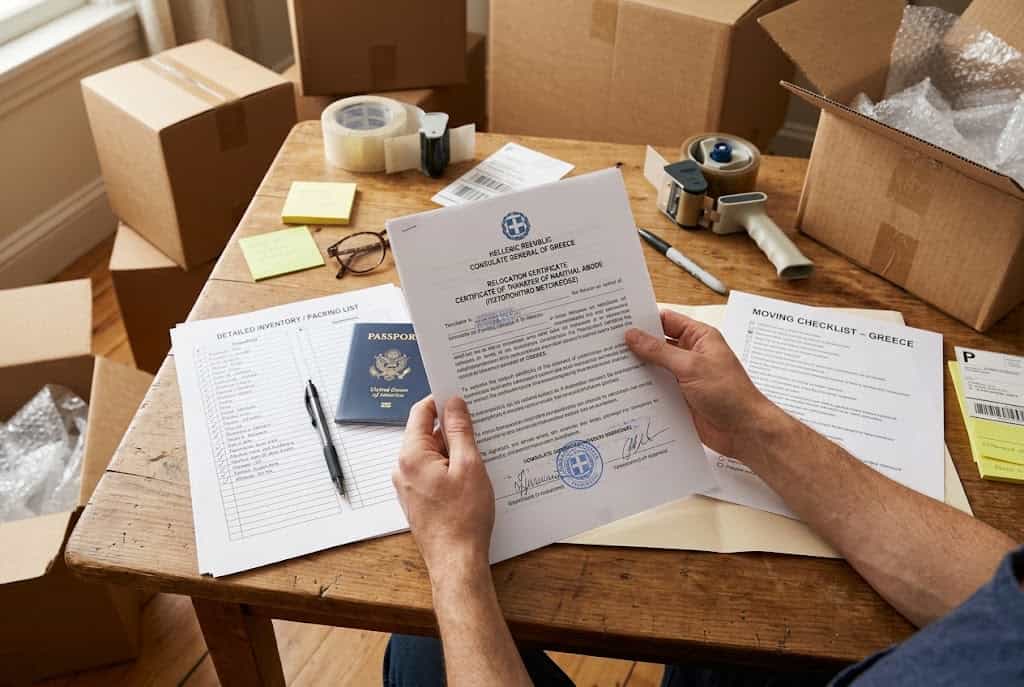
Spain’s customs framework for incoming household goods operates under the Menaje de Casa provision, which allows duty-free importation of used personal effects for people establishing residency. Items must have been owned and used for at least six months and the shipment must arrive within a defined window of obtaining Spanish residency. Proper documentation, including a complete itemized inventory and proof of residency, is required for duty-free clearance. SDC’s international packing and export documentation service covers inventory preparation and customs-compliant packing from the US origin, which is particularly important for Menaje de Casa compliance where documentation accuracy directly affects clearance speed.
If you are planning a long-term move, working with an experienced international shipping company serving all 50 US states ensures your transition to Spain is smooth both culturally and logistically.
Frequently Asked Questions
Is Spanish required to live comfortably in Spain as an American?
In major cities like Madrid and Barcelona, English is widely spoken in professional and tourist environments, and many expats manage comfortably in the early stages without fluent Spanish. However, daily life outside these urban centers, including dealing with local government offices, healthcare, and neighborhood social life, becomes significantly easier with at least conversational Spanish. Most American expats find that investing in language learning early pays dividends in integration and overall quality of life.
What visa options are available for Americans moving to Spain?
Americans have several pathways for long-term residence in Spain. The Non-Lucrative Visa suits those with passive income or savings who do not plan to work in Spain. The Digital Nomad Visa, introduced in 2023, allows remote workers employed by non-Spanish companies to live in Spain legally. The Self-Employment Visa covers entrepreneurs and freelancers. Each visa has specific financial and documentation requirements and typically leads to permanent residency after five years of continuous legal residence. Consulting a qualified Spanish immigration attorney before applying is strongly recommended.
Should I ship my household goods from the US to Spain or buy new there?
For most Americans relocating permanently, shipping is the more cost-effective decision. Quality furniture, appliances, and household goods are generally more expensive in Spain than in the US, and the Menaje de Casa duty-free provision means customs duty is not a barrier when documentation is in order. The shipping cost is typically lower than the cost of replacing the same items locally. The calculation changes for low-value or easily replaceable items, but for most furnished households the math favors shipping.