Shipping Household Goods to Singapore from the USA
Singapore is one of the more straightforward Asia-Pacific destinations for shipping household goods, with duty-free entry available for genuine personal effects, but it has a few restrictions that are genuinely unique to the country and worth understanding before you pack. This guide covers what actually matters when shipping furniture and household goods from the USA to Singapore: the items that face real restriction, how apartment living affects your packing decisions, and what the timeline looks like.
SDC International Shipping is a licensed overseas shipping company serving all 50 U.S. states, with regular household goods routes to Singapore.
Duty-Free Entry for Personal Household Goods
Singapore generally allows duty-free entry for used personal household goods when you’re establishing residency in the country. The core qualifying conditions are familiar to anyone who has moved internationally before: the items should have been in your personal use prior to the move rather than purchased specifically to bring along, they should not be intended for resale or commercial purposes, and your shipment should arrive within a reasonable window of your own relocation. These conditions are consistent with how most countries handle settler’s effects, and Singapore customs is generally efficient when documentation is complete and accurate.
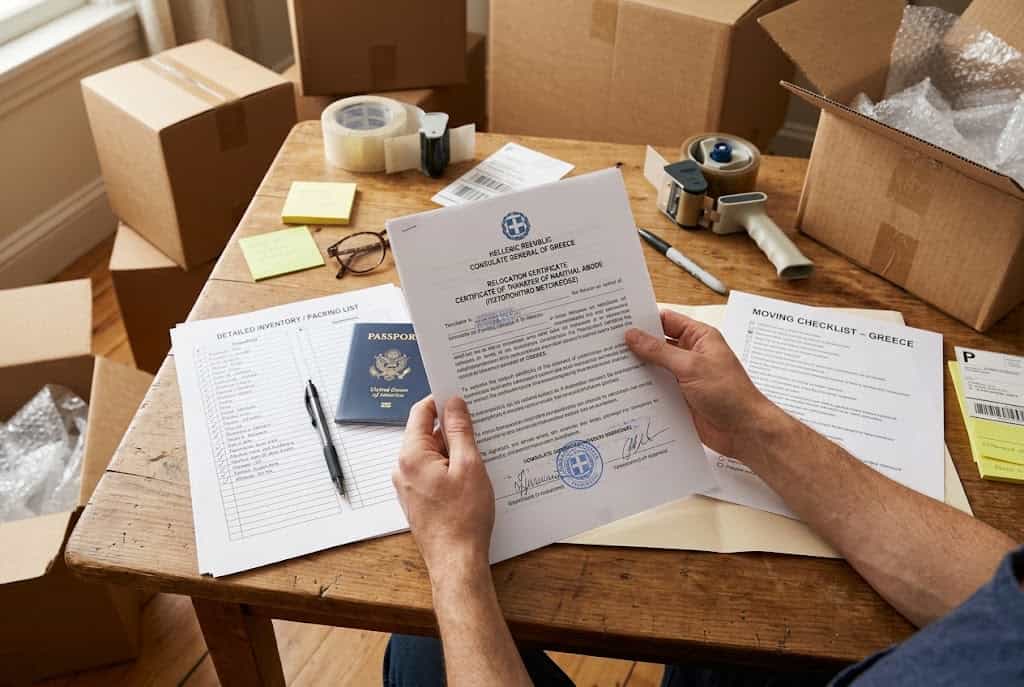
The documentation that matters most is a complete, itemized inventory. A vague or generic packing list is the most common reason for delay anywhere customs review is involved, and Singapore is no exception. Your SDC coordinator will help assemble a customs-friendly inventory and confirm the specific documentation requirements for your situation before your shipment departs.
What’s Actually Restricted in Singapore
Singapore has a reputation for strict regulation, and some of that reputation is genuinely specific to the country rather than typical of Asia-Pacific destinations generally. Chewing gum is restricted under Singaporean law and should not be included in a household shipment. Tobacco products face tight import restrictions and significant taxation, even in small personal quantities, and are generally not worth including in your shipment. Pornographic material, including some content that wouldn’t be flagged elsewhere, faces strict prohibition and is taken seriously at customs review.
Beyond these distinctly Singaporean restrictions, the standard prohibited categories apply: narcotics, weapons without proper licensing, and counterfeit goods. If you have a specific item you’re unsure about, it is far easier to raise it with your coordinator before packing than to have it flagged and held at the port after arrival.
Will Your Furniture Fit?
Singapore’s housing, whether HDB flats or private condominiums, tends to run considerably smaller than comparable U.S. housing, and this is worth factoring into your packing decisions well before your container departs. Large American-scale furniture, oversized sectional sofas, king bed frames, large dining sets built for spacious U.S. homes, is the category most likely to create a problem on arrival rather than at customs. Building access can also be a factor: condominium buildings often have specific delivery windows, loading dock booking requirements, and lift size limits that your destination agent coordinates in advance.
It’s worth reviewing your furniture list against your actual floor plan before packing day. Some clients choose to sell or donate oversized pieces domestically and furnish with appropriately scaled items locally, particularly for large furniture that would be difficult to navigate into a smaller Singapore apartment.
Vehicle Shipping: Worth Considering Carefully
Shipping a car to Singapore is technically possible, but many clients ultimately decide against it once they understand the costs involved. Singapore’s vehicle registration system includes a Certificate of Entitlement and associated fees that can be substantial relative to the vehicle’s value, on top of standard import duties. For most clients, it is more economical to sell a vehicle in the USA before relocating and either lease or purchase locally in Singapore. If you do want to explore shipping a vehicle, your coordinator can walk through the realistic cost picture before you commit to the decision.
Shipping Timeline from the USA
Sea freight from the U.S. West Coast to Singapore typically runs four to five weeks in transit, with East Coast departures running somewhat longer depending on routing. Total door-to-door time, accounting for origin packing, ocean transit, and customs clearance in Singapore, generally falls in the eight to twelve week range. Air freight is available for smaller, time-sensitive shipments, and many clients combine the two: essentials move by air while the bulk of household goods follow by sea on a separate schedule.
A Full Container Load (FCL) makes sense for a full household, giving you exclusive use of a 20-foot or 40-foot container without additional handling until customs. A Less Than Container Load (LCL) is the more economical option for smaller volumes, such as a one-bedroom apartment, though it adds consolidation time at both ends.
SDC’s professional export packing service prepares furniture and household goods for the extended transit involved in shipping to Singapore, with custom crating available for higher-value or fragile items.
Frequently Asked Questions
Can I bring chewing gum or tobacco products in my shipment?
Chewing gum is restricted under Singaporean law and should be left out of your shipment entirely. Tobacco products face strict import limits and significant taxation, and are generally not worth including even in small personal quantities. Leave both out to avoid any complication at customs.
Should I ship my car to Singapore?
For most clients, the answer is no. Singapore’s vehicle registration costs, including the Certificate of Entitlement, are substantial, and it’s typically more economical to sell your vehicle in the USA and purchase or lease locally. Discuss your specific situation with your coordinator before deciding.
Will my American furniture fit in a Singapore apartment?
It depends on the unit and building. Large sectional sofas, king bed frames, and oversized dining sets are the items most likely to create a problem at delivery. Share your floor plan with your coordinator before packing so any sizing concerns are flagged early.
How do I get started?
Contact SDC for a home survey and a quote tailored to your Singapore destination. Your coordinator will review your inventory, flag any restricted items, and recommend the right container option and timeline for your move.