
Shipping Household Goods from the USA to the UK: What You Need to Know
Updated August 2026
Shipping household goods from the USA to the UK involves a handful of real decisions: shipping method, packing, customs paperwork, and insurance. As a licensed door-to-door moving company that handles USA-to-UK household shipments regularly, here’s what actually matters at each stage.

Choosing the Right Shipping Method
The two main options for an international household move are full container load (FCL) and less-than-container load (LCL).
Full Container Load (FCL)
FCL gives you exclusive use of a shipping container, sealed from origin to destination. A 20-foot container typically accommodates a two-bedroom home, while a 40-foot container can hold the contents of a four-bedroom home. Since the container isn’t shared, there’s less handling in transit and a lower risk of damage.
Less-than-Container Load (LCL)
LCL, also called groupage, shares a container with other clients moving to the same destination, so you pay only for the space you use. It’s a cost-effective option for smaller shipments, though transit typically takes longer since it requires extra time to consolidate and separate shipments at each end.
For a closer look at container types and sizing, see our shipping containers guide.
Which One Fits Your Move?
As a rough guide, a studio or one-bedroom apartment’s worth of belongings usually fits comfortably into LCL, while a two-bedroom home or larger typically makes more sense as FCL once you account for the extra handling and consolidation time LCL adds. If your shipment is close to filling a 20-foot container on its own, FCL is often worth the jump even if the per-item cost looks higher on paper, since you avoid the added transit time and handling that comes with sharing space. Your coordinator can give you a clearer read once they know your actual volume.
Preparing Household Goods for Shipping
Packing is where most damage claims originate, so it’s worth doing properly. Use sturdy boxes, bubble wrap, and packing paper for general items; give delicate items like glassware and electronics extra padding; and use custom crating for high-value pieces like artwork or antiques. Full detail is on our packing services page.
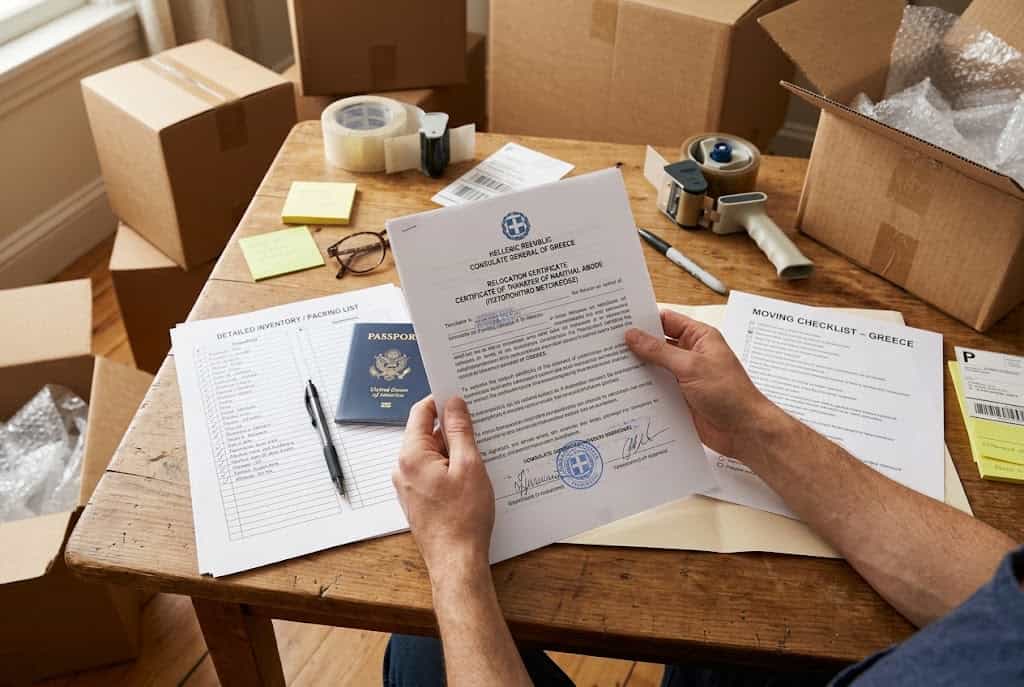
Label every box with its contents and destination room, and build a detailed inventory with an estimated value for each item. This isn’t just for organizing the unpack; it’s the document customs and your insurer will both rely on.
The UK restricts or prohibits certain foods, plants, and hazardous materials from import. Commonly flagged items include fresh produce, meat and dairy products, plant material and soil, aerosols, and anything containing lithium batteries packed loosely rather than installed in a device. Check current UK import regulations for anything unusual in your shipment before it ships, not after; a restricted item discovered at customs can delay the entire container, not just that one box.
Navigating UK Customs
The Transfer of Residence (ToR) application is the document that determines whether your shipment enters the UK duty-free. You’ll typically need proof of ownership for high-value goods, a completed inventory list, and personal identification confirming your move. Our Transfer of Residency guide covers the full process and timing.
Most personal effects import duty-free if you’ve owned and used them for at least 6 months before the move. New electronics, vehicles, and some luxury goods may still incur duty or VAT regardless of ownership length. See our customs forms guide for the paperwork itself.
Insurance Options
Two coverage types cover most household shipments: Total Loss Insurance, which covers the full shipment if the container is lost or destroyed and is the more affordable baseline option, and All-Risk Insurance, which covers individual items against damage from handling or transit and suits shipments with higher-value or irreplaceable pieces. See our International Moving Insurance page for details on both.
Final Tips
Plan your timeline early: sea freight generally runs 6 to 10 weeks door-to-door, while air freight runs 1 to 3 weeks, so back-planning from your move-in date matters more with sea shipments. Decluttering before you pack is one of the simplest ways to cut costs, since you’re paying for volume either way; donating, selling, or storing items you won’t need in the UK reduces both packing time and shipping cost. And ask about tracking: with a clear view of your shipment’s progress, there are fewer surprises on either end of the move.
Frequently Asked Questions
Can I pack some boxes myself to save money?
You can, though many insurers limit coverage on owner-packed cartons, particularly for fragile or high-value items. Professional packing for anything irreplaceable is usually worth the cost difference.
What happens if my ToR application isn’t approved before my shipment arrives?
Your shipment can still clear customs, but without approved ToR relief you may be liable for duty and VAT on the full value of your goods. This is why applying early, ideally before your shipment departs the US, matters more than most people expect.
Is FCL or LCL better if I’m not sure how much I’m bringing?
Start with an inventory rather than guessing. A rough item count and a walkthrough with your coordinator usually pins down volume closely enough to choose confidently, and it’s normal to adjust the plan once packing is underway and the actual volume becomes clear.
Getting Started
Shipping household goods to the UK is straightforward once the method, packing, and customs pieces are mapped out together rather than tackled separately. Request a free quote and your coordinator can build a timeline around your specific shipment and move-in date.