The Most Popular Places for South Koreans to Move in the USA (and Why They Choose Them)
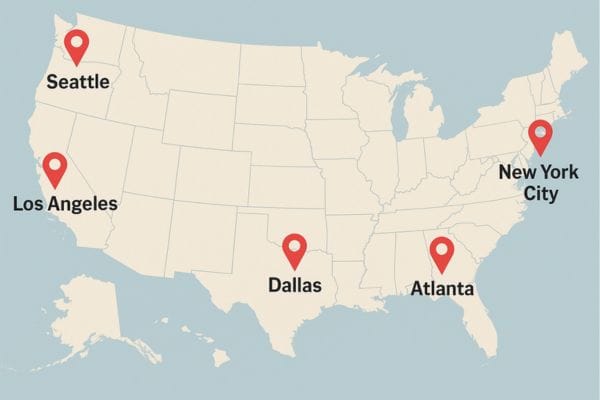
South Koreans relocating to the United States have clear patterns in where they settle. Established Korean-American communities, job market strength, school quality, and the availability of Korean cultural infrastructure all play a role in destination decisions. This guide covers the five cities and metro areas that consistently attract the most South Korean families and professionals, along with what the move logistics look like for each.
SDC International Shipping is an overseas moving company serving all 50 U.S. states, with extensive experience handling door-to-door household moves from South Korea.
1. Los Angeles, California
Los Angeles has the largest Korean-American population of any U.S. city, anchored by Koreatown in central Los Angeles. For new arrivals from South Korea, the density of Korean restaurants, supermarkets, churches, and community organizations makes the transition considerably easier than in cities without that infrastructure.
Direct flights from Incheon International Airport to LAX make the move itself straightforward. Career opportunities span technology, entertainment, healthcare, and small business ownership. Families with children are drawn to the variety of Korean-language programs and private schools in the greater Los Angeles area.
From a shipping standpoint, Los Angeles is one of the most efficient U.S. ports for Korea-origin shipments. The Port of Los Angeles handles high volumes of container freight from South Korea, and customs clearance turnaround is generally faster here than at East Coast ports. Transit time from Busan to Los Angeles by ocean freight typically runs 14 to 18 days.
2. New York City, New York
New York City draws South Korean professionals, students, and entrepreneurs, particularly to Flushing in Queens, which has a large and active Korean community. Neighboring New Jersey cities including Fort Lee and Palisades Park are also heavily settled by Korean-American families who want suburban living with access to Manhattan.
The professional opportunities in finance, technology, international business, and the arts make New York a natural fit for career-driven relocations. Families motivated by education consider New York’s concentration of private schools and universities to be a strong draw.
Moves to the New York area arrive through the Port of Newark or Port of New York. Apartment deliveries in Manhattan often require advance coordination with building management for elevator access and move-in scheduling. Suburban relocations in New Jersey typically involve full-container deliveries with standard door-to-door service.
3. Atlanta, Georgia
Atlanta has become one of the fastest-growing destinations for South Korean families over the past decade. Gwinnett County, northeast of the city, has a well-established Korean commercial corridor with supermarkets, restaurants, and churches. The combination of affordability, suburban housing, and community infrastructure makes it a practical choice for families relocating from Korea.
The presence of Kia and Hyundai manufacturing operations in Georgia has brought Korean professionals and their families to the region in significant numbers. Housing costs are considerably lower than in Los Angeles or New York, which allows families to purchase larger homes suited to multigenerational living.
Container shipments to Atlanta typically arrive through the Port of Savannah, which is one of the fastest-growing and most efficient container ports on the East Coast. Trucking from Savannah to the Atlanta metro area is straightforward, and delivery timelines are generally predictable.
4. Dallas–Fort Worth, Texas
The Dallas–Fort Worth metroplex has seen consistent growth in its Korean-American population, concentrated in suburbs like Carrollton, Plano, and Frisco. These communities have Korean grocery stores, restaurants, and active church networks, providing the social infrastructure that eases the transition for newly arrived families.
Texas has no state income tax, and housing costs in DFW suburbs are well below those in coastal cities. The job market spans technology, healthcare, energy, and financial services. DFW International Airport operates direct flights to Seoul, which matters for families who plan to travel back to Korea regularly.
Most container shipments destined for the Dallas area arrive through the Port of Houston and are trucked overland to DFW. SDC coordinates the full door-to-door process including customs clearance at Houston and final delivery to the home address.
5. Seattle, Washington
Seattle’s position as a Pacific gateway city makes it a natural destination for South Korean families. The shorter ocean crossing to the West Coast translates to faster shipping times, and the established Korean community in Federal Way, Lynnwood, and surrounding suburbs provides a ready social network for new arrivals.
Major employers including Amazon, Microsoft, and Boeing attract South Korean professionals in technology, aerospace, and international trade. The Pacific Northwest lifestyle, with access to mountains, water, and outdoor recreation, appeals to families who want a different environment from the dense urban settings of Los Angeles or New York.
The Port of Seattle offers some of the fastest transit times from South Korea of any major U.S. port. Busan to Seattle ocean freight typically runs 10 to 14 days, compared to 25 to 35 days for East Coast ports via the Pacific route. For families with time-sensitive move schedules, this difference is meaningful.
Shipping Household Goods from South Korea to the USA
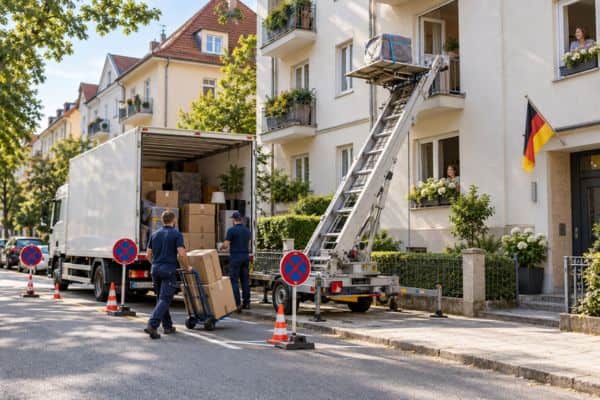
Regardless of which U.S. city you are moving to, the household shipping process from South Korea follows the same general path. Ocean freight is the standard method for full household moves. Most families ship either a full 20-foot container for larger homes or use a shared container arrangement for smaller volumes. SDC handles packing, export documentation from Korea, ocean freight, U.S. customs clearance, and final delivery to the home address.
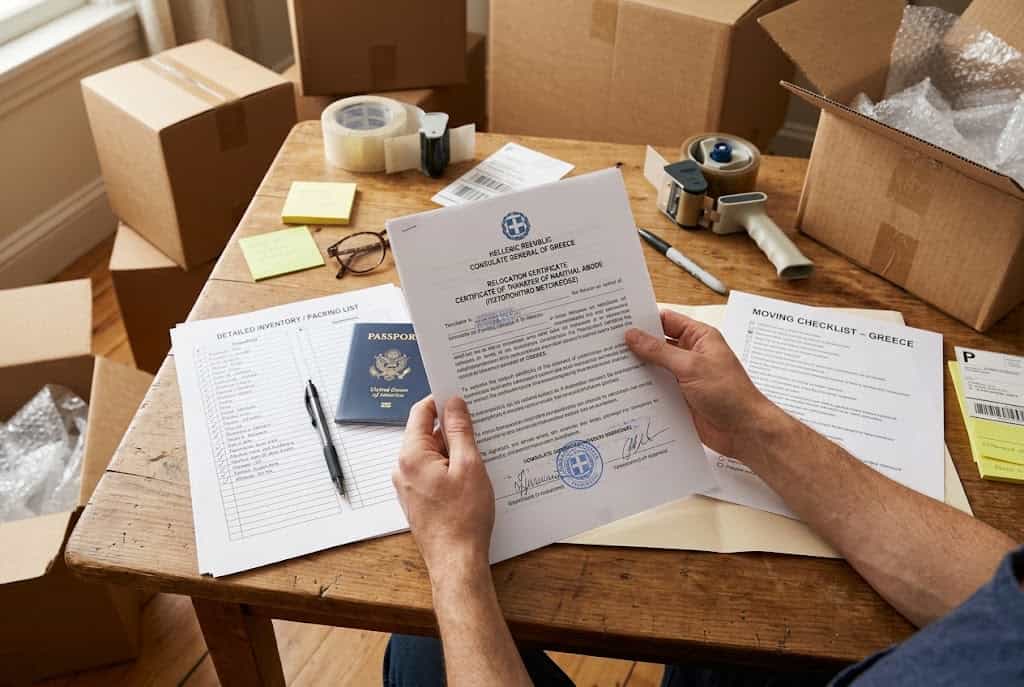
To qualify for duty-free entry of household goods under U.S. Customs rules, items must have been owned and used for at least one year. New purchases made specifically for the move are subject to import duties. Proper documentation, including a complete itemized inventory, is essential for smooth clearance. SDC’s international packing and export documentation service covers inventory preparation and customs-compliant packing from the Korean origin. For a full overview of the U.S. import process for household goods, see SDC’s guide to moving to the USA with household goods.
Frequently Asked Questions
How long does ocean freight from South Korea to the USA take?
Transit times vary by destination port. West Coast ports like Los Angeles and Seattle receive shipments from Busan in 10 to 18 days. East Coast ports via the Pacific route, including New York and Savannah, typically run 25 to 35 days. Door-to-door delivery, including packing, export clearance, ocean transit, U.S. customs, and final delivery, generally takes 6 to 10 weeks total.
Can I ship my car from South Korea to the USA with my household goods?
Yes. Vehicles can be shipped in the same container as household goods if space allows, or separately via RoRo (roll-on/roll-off) service. Shipping a vehicle inside a container with household goods is common for families moving to suburban destinations. Vehicles arriving in the U.S. must meet EPA and DOT safety and emissions standards. Korean-market vehicles often require modifications to comply.
What documents do I need to ship household goods from South Korea to the USA?
Standard documentation includes a valid passport and U.S. visa or residency documentation, CBP Form 3299 (Declaration for Free Entry of Unaccompanied Articles), a complete itemized packing list, and the ocean bill of lading. If you are shipping a vehicle, additional EPA and DOT forms are required. SDC coordinates documentation preparation on both the Korean export side and the U.S. import side.