Moving to the UK and Ireland in 2026, A Post-Brexit Planning Guide
For many Americans, the idea of moving to the United Kingdom or Ireland has been sitting quietly in the background for years. Maybe it started with a semester abroad in London, a family visit to Dublin, or a long-held dream of living somewhere with walkable streets, cozy pubs, and history around every corner. As 2026 approaches, more families, professionals, and retirees are deciding that now is the time to turn that idea into a real plan.
The UK and Ireland hold a unique appeal. English-speaking environments make daily life easier for many Americans who are not ready to navigate a new language. Job opportunities in finance, tech, creative fields, and education are strong in cities like London, Manchester, Edinburgh, Dublin, and Cork. Retirees are drawn to smaller towns and coastal communities, where the pace of life slows, and community ties feel more personal.
At the same time, the decision to move is rarely just practical. It is emotional. It is about wanting a different lifestyle for your children, a better work-life balance, or a fresh start after a demanding season of life in the United States. Clients often describe their move to the UK or Ireland as a choice to live in a place that matches who they are becoming, not just who they have been.
Planning in a Post-Brexit World
Since Brexit, there has been more uncertainty and more questions about what it actually means to relocate to the UK. Add Ireland’s own rules and the broader European context, and it is easy to see why people feel overwhelmed at first. The headlines can make everything look complicated, but when you zoom in on your specific situation and get clear guidance, the path becomes much easier to see.
Brexit changed customs procedures and residency rules, but it did not remove the deep connections between the UK, Ireland, and the United States. People are still moving for work, for family, and for long term residence. The difference now is that documentation and planning matter more. That is why starting in 2025 for a 2026 move is such a wise decision. You have time to understand your visa path, align your shipping timeline with your paperwork, and build a move plan that fits the new rules rather than fighting them.
You Are the Hero, SDC Is the Guide
In this story, you are the one making the brave decision to move overseas. You are choosing a different future for yourself or your family. Our job at SDC International Shipping is not to take over your story; it is to guide you through the practical steps that turn a big decision into a calm, well managed relocation.
We listen first, then help you connect your goals with a realistic plan. Whether you are relocating for a job in London, joining family in Dublin, or starting a new chapter in a small coastal town, we help you understand what international moving really requires, and how to approach it in a way that feels organized rather than chaotic.
How Long It Takes to Ship Household Goods From the U.S. to the UK and Ireland
Understanding Realistic Door-to-Door Timelines
One of the first questions people ask when planning a 2026 move is simple and important, “How long will it take for our things to arrive?” The answer depends on where you live in the United States, which service you choose, and whether your shipment is direct or part of a groupage container.
For most direct sea freight shipments from the U.S. to the UK or Ireland, a reasonable door-to-door estimate is around six to twelve weeks. That window includes packing at your current home, inland transport to the port, time on the water, unloading at the destination, customs clearance, and final delivery to your new address.
For groupage, which is a shared container service often used for smaller shipments to the UK and Europe, the range is typically longer, around eight to sixteen weeks door to door. Groupage is a smart option for clients who are not shipping a full household, and who want the efficiency of sharing container space with other customers heading to the same region.
These time frames make one thing clear. If you want to be living comfortably in the UK or Ireland sometime in 2026, planning early matters. When you know how long sea freight takes, you can work backward from your ideal arrival date instead of guessing.
East Coast, Midwest, and West Coast Differences
Where you live now plays a real role in timing. If you are departing from the East Coast, your shipment has a shorter journey overall. Containers from ports like New York or New Jersey have a relatively direct route across the Atlantic. That does not mean West Coast moves are difficult, only that they involve extra inland transport before your container reaches the vessel.
Clients in California, Washington, or Oregon often plan for a longer overall window, since their packed shipment first travels by truck or rail to the designated port before boarding a ship bound for the UK or Ireland. Midwestern clients, in states like Illinois, Colorado, or Minnesota, typically see timing somewhere in between, depending on routing.
Because SDC provides nationwide international moving services from all 50 states, these details are managed behind the scenes. You do not need to coordinate local movers, freight carriers, and overseas agents. Our teams handle packing, inland transportation, export documentation, and international shipping as a single, integrated process.
Sea Freight, Air Freight, and Hybrid Options
Most households moving to the UK or Ireland in 2026 will ship the majority of their belongings by sea. It is efficient and allows you to take furniture, household goods, and even a vehicle if you choose containerized car shipping. Our specialists walk you through container choices, whether a full container or a shared solution makes better sense for your volume and budget.
Some clients also choose to send a smaller air freight shipment for essentials they want to access quickly on arrival. A few boxes of clothing, work tools, baby items, or important documents can travel by air while the rest of the shipment follows by sea. Our sea freight vs air freight guidance helps clarify these options, and in planning calls we translate them into a specific plan that matches your life.
Using Storage to Bridge the Gap
Sometimes your new home in the UK or Ireland is not ready at the same time your shipment arrives. You may still be finalizing a rental, waiting on a home purchase, or living in temporary accommodation. In those cases, climate controlled storage at origin or destination becomes a helpful part of the plan, not a problem to fear.
Planning your move with 2026 in mind gives you room to make storage decisions calmly. You can choose to send part of your shipment later, hold certain items in storage while you settle in, or receive everything at once if your housing is confirmed. Either way, the timeline is built around your needs, not the other way around.
Paperwork, Residency, and Customs Basics for the UK and Ireland
Understanding What Really Changed After Brexit
For many Americans planning a move to the UK, Brexit still creates a cloud of uncertainty. The headlines make everything sound complicated, but when you dig into the actual requirements for shipping household goods, the path becomes clearer. Brexit changed trade relationships between the UK and the EU, but it did not stop people from relocating. Americans move to the UK every year for work, family, education, and long-term residency.
What it did change are the customs procedures. The UK now treats imports independently from the EU, including personal household goods. Ireland, meanwhile, remains part of the EU and follows standard European customs processes. Because both countries sit side-by-side yet operate under different rules, planning early for a 2026 relocation gives you time to prepare the right documents calmly rather than rushing at the end.
The UK’s Transfer of Residence (TOR) Process
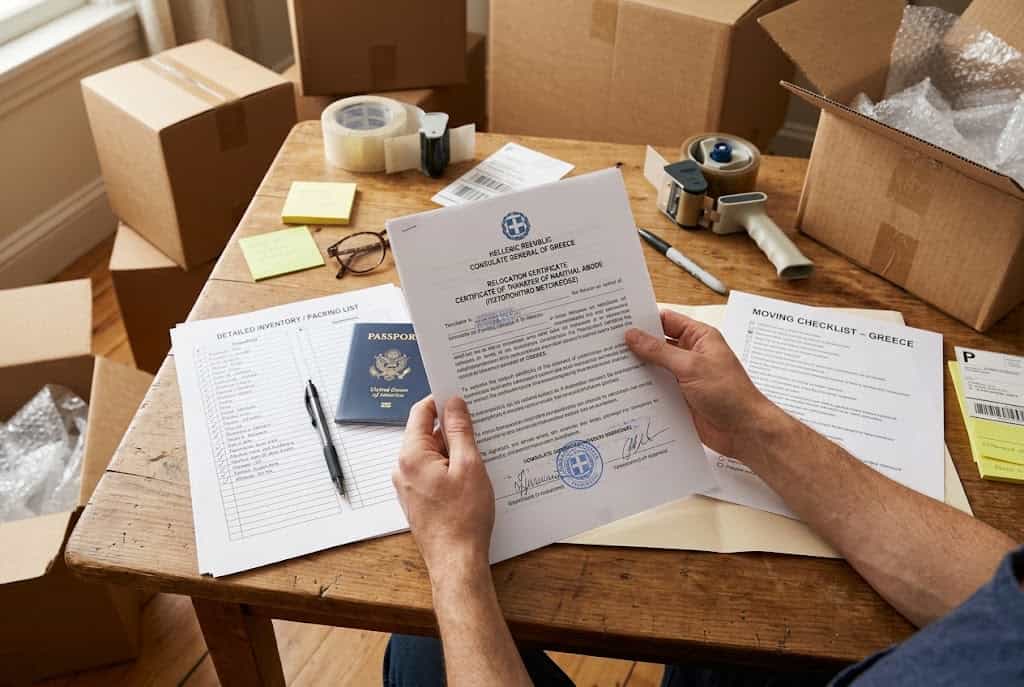
One of the most important parts of moving to the UK is the TOR process, a system that allows you to import your used household goods duty-free as long as you meet certain qualifications. It is not complicated, but it does require accuracy. You will need to demonstrate that you are moving to the UK permanently or for long-term residence, and that the items being shipped are personal goods you have owned for a period of time.
The application is digital, and once approved, you receive a reference number that helps customs clear your container once it arrives. Clients who begin this step months ahead of their move date feel a noticeable sense of relief, because the documentation becomes a smooth, predictable part of the process rather than a last-minute scramble.
Ireland’s EU-Based Customs Process
Ireland follows standard EU procedures for household goods imports. If you are moving to Ireland long-term, your personal belongings can typically be imported duty-free. You may need to provide proof of residence, employment, or long-term relocation intent, depending on your circumstances. Much like the UK, the key is preparation. A clear inventory, accurate documents, and early planning result in straightforward clearance once your container reaches Dublin, Cork, or another Irish port.
Clients often find Ireland’s document requirements to be simpler than the UK’s. Even so, planning early ensures you have time to gather any necessary paperwork from employers, landlords, consulates, or government offices before your departure.
The Importance of an Accurate Inventory
Whether you are moving to the UK or Ireland, a detailed, properly prepared inventory is one of the most essential tools for customs clearance. The inventory does not list every individual item, but it must describe the contents of each box, along with major furniture pieces and higher-value belongings. During packing, SDC’s export team prepares the inventory in a structured, customs-friendly format.
Clients often feel surprised at how simple customs becomes when the inventory is done well. The key is organization, and that is a major part of what our professional packing teams handle for you.
Shipping a Vehicle to the UK or Ireland
Vehicle shipping is possible in both countries, but the rules differ. The UK offers duty free vehicle import under the TOR system if certain conditions are met. Ireland, on the other hand, typically requires compliance with EU standards and may apply vehicle registration taxes depending on the car.
If you plan to ship a vehicle in 2026, early planning is essential. The documentation for car shipping, including proof of ownership, registration, and compliance, is easier to manage when you are not pressed for time. Our specialists walk you through the required steps so your vehicle is properly prepared for containerization alongside your household goods.
Customs Should Not Be a Stress Point
When clients understand what customs actually requires, European customs stops feeling intimidating. It becomes a checklist, not a mystery. With early planning, accurate information, and the support of a full-service international moving company, your UK or Ireland clearance becomes a smooth continuation of your relocation, not a barrier to it.
What to Pack, What to Store, and What to Replace Locally
Packing With Purpose
One of the most practical decisions you will make when moving to the UK or Ireland is what to bring and what to leave behind. Many clients enter the process assuming they need to bring everything. Others imagine starting completely fresh. In reality, most families land somewhere in between.
The right balance comes from understanding your lifestyle, your destination, and the way European homes are built. Early planning gives you time to think through these decisions intentionally instead of rushing through them in the final weeks.
Understanding UK and Irish Homes Before You Ship
European homes, especially in the UK and Ireland, often differ from American homes. Older buildings in cities like London, Edinburgh, and Dublin sometimes have narrow hallways, smaller rooms, or limited storage space. At the same time, many modern homes in suburban or newly developed areas feel comparable to American layouts, making it easier to bring furniture, appliances, and decor.
This means the best approach is not a one-size-fits-all list, but a conversation based on where you are actually going. Clients moving into a historic city apartment often choose to ship fewer large furniture pieces. Those relocating to the suburbs or countryside often ship most of their home, including beds, dressers, tables, and living room sets.
What Is Worth Bringing
Most families bring their furniture, decorative items, kitchenware, clothing, personal collections, and sentimental items. These pieces help the new home feel familiar and reduce the cost of replacing everything abroad. Many clients bring electronics too, especially laptops and TVs. However, for appliances that rely on voltage or compatibility, we help you determine whether it is better to bring or replace locally.
If you have artwork, antiques, or special items that require extra protection, our team can provide export packing or custom crating through our artwork shipping services.
What You Might Replace Locally
Certain items, such as large American appliances or inexpensive, easily replaceable items, may not be worth shipping. Voltage differences in the UK and Ireland can affect how some appliances function, so many clients choose to replace washers, dryers, and small kitchen appliances once they arrive.
Children’s furniture, affordable shelving, and bulk household supplies are often purchased locally as well. When we understand your destination and your long-term plans, we help you build a shipping list that balances comfort, cost, and practicality.
When Storage Becomes Part of the Plan
If your housing situation abroad is not finalized, or if you are renting temporarily before moving into a permanent home, climate-controlled storage at origin can be a helpful part of your 2026 plan. Some clients ship essential items to arrive first, and place the remainder into storage until they are ready to ship the second phase. Others use storage at the destination if their container arrives before they do.
The goal is to avoid feeling pressured by timing. Planning early gives you the freedom to create a phased approach that feels calm and customized.
Packing for Your Future Life, Not Your Past One
A move to the UK or Ireland is more than a logistical event. It is a transformation. When you choose what to bring, what to store, and what to replace, you are shaping the next version of your life. The choices you make now will help your new home feel grounded, familiar, and aligned with who you are becoming.
Arrival, Delivery, and Adjusting to Life in the UK or Ireland
The First Days in Your New Home
When your plane lands and you take your first steps onto UK or Irish soil, everything becomes real. You begin noticing the accents, the rhythm of the traffic, the architecture, and the feeling of being somewhere both new and familiar. For many clients, those first few days are a mix of excitement, curiosity, and the natural sense of being slightly unanchored. Your shipment is still in transit or going through customs, and you are still settling into temporary housing or moving into your new home.
This is a natural part of international relocation. It is not disorientation, it is transition. And knowing exactly what comes next makes this stage far more comfortable.
What Happens When Your Shipment Arrives
Once your container reaches the port in London, Liverpool, Southampton, Dublin, or Cork, the customs process begins. Because your paperwork was completed well in advance, the clearance stage is usually predictable. Your TOR approval for the UK or your EU residency documents for Ireland help customs officers classify your shipment as a household move rather than a commercial import.
After clearance, your items are transported to your new home and scheduled for delivery. This is where the move begins to feel grounded again. Seeing familiar pieces of your life arrive in a new setting can be incredibly comforting. Furniture is placed where you want it. Boxes are unpacked. Packing debris is removed. Rooms begin to take shape. What once felt like a temporary transition suddenly becomes a home.
Navigating Local Housing and Neighborhoods
Life in the UK and Ireland often unfolds in smaller, more intimate spaces compared to the U.S. London flats may feel cozier, Dublin homes often have unique layouts, and older buildings blend charm with quirks. Streets tend to be narrow, especially in historic areas, and parking can be limited. But these characteristics are part of the experience that draws people to the region in the first place.
If you are in a suburban or countryside area, your home will feel more spacious. Families moving to places like Surrey, Berkshire, Wicklow, or Galway often discover a sense of openness that reminds them of home, with the added benefits of walkable town centers and strong local communities.
Understanding how your new neighborhood functions, from recycling schedules to public transportation routes, becomes part of settling in. Many clients describe this stage as both educational and rewarding, because it is where they begin to feel connected to their surroundings rather than just navigating them.
Emotional Adjustment and Routine Building
Every international move includes an emotional adjustment period. Some clients feel at home immediately, while others take weeks or months to settle into a new rhythm. Building routines helps tremendously. Walking familiar routes, finding local shops, enrolling children in school, and joining community groups create grounding experiences.
Many clients say that once they unpack their kitchen, assemble their bedroom, and hang up their artwork, something clicks. The new country no longer feels unfamiliar. It becomes theirs.
Delivery Support and Problem-Solving
Not every delivery is flawless. Sometimes the elevator is too small. Sometimes a sofa does not fit through a doorway. Sometimes a piece needs to be partially reassembled on-site. SDC’s partners in the UK and Ireland are experienced with these challenges and know how to adapt quickly.
If something needs repair, adjustment, or a claims review, our team stays with you even after move-in, helping you resolve final concerns without feeling stranded. This is often one of the most appreciated parts of full-service moving, because clients know they are not alone once the container door opens.
How SDC Guides Your Structured 2026 Move From Start to Finish
Beginning With a Clear, Calm Plan
The best international moves begin with clarity, not urgency. When clients call us early in their 2026 planning window, we help them understand what their move will involve, how long it will take, and what steps will come first. You remain the decision-maker in this story, and we provide the structure that makes those decisions manageable.
We begin with a conversation about your goals, then build a timeline that fits your ideal arrival window. This is where the stress begins to fade, because the relocation stops feeling like a mystery and starts feeling like a sequence of clear, logical steps.
Nationwide Support From Any U.S. State
One of the greatest advantages of choosing SDC is that you receive a unified, nationwide service. Whether you live in Los Angeles, Miami, New York, Chicago, Dallas, or a small town hours from the nearest port, the process remains consistent. Our teams handle export packing, inland transport, container loading, and document preparation as one coordinated operation.
This eliminates the fragmentation that can happen when multiple companies handle different parts of the move. Instead of navigating separate teams for packing, transport, shipping, and delivery, you work with one company guiding you from beginning to end.
Preparing, Protecting, and Shipping Your Home
Packing is where expertise becomes visible. Export-grade materials, custom crating for special items, detailed inventories, and secure container loading all serve a simple purpose, to protect your belongings for a long ocean journey. Whether your shipment travels by sea freight, air freight, or a combination of both, the preparation phase ensures your items arrive safely.
If you choose to ship a vehicle, our team also coordinates containerized car shipping with household goods, ensuring all documentation is ready for UK or Irish regulations.
Guiding You Through Customs
Customs is one of the most misunderstood aspects of international moving, but with the right support, it becomes predictable. We help you prepare your TOR application for the UK, gather EU residency documents for Ireland, and understand the unique requirements for your specific circumstances. Because the paperwork is completed early, clearance becomes a smooth step rather than a source of anxiety.
Communication and Tracking
Throughout the move, you receive timely updates about packing, shipping, vessel schedules, customs progress, and delivery arrangements. Clients often say the communication is one of the most reassuring parts of the entire experience. You always know what is happening and why it matters.
Completing the Journey With Care
Even after your belongings arrive and the move-in is complete, we remain available to answer questions, provide guidance, and assist with any follow-up needs. International moving is not just transportation. It is a transition. And we stay with you through that transition until you are fully settled.
Life After Arrival and the Long-Term Confidence of a Well-Planned 2026 Move
When the Hard Part Is Behind You
The moment your belongings are unpacked, your rooms begin to take shape, and familiar pieces of your life settle into place, something subtle but powerful happens. The stress of moving fades and is replaced by the sense that you have truly arrived. What once felt far away—living in the UK or Ireland, walking new streets, hearing new accents—becomes an everyday reality.
Clients often describe this stage as the point where anticipation turns into belonging. There is pride in having completed a major international move, and there is comfort in knowing the hardest part is behind you.
Building a Routine in Your New Community
The first weeks often revolve around discovery. You learn where the nearest grocery store is, which cafes feel welcoming, how local transportation works, and where your children’s schools are located. Each small familiarity becomes a stepping stone toward feeling grounded.
If you are living in London, you might quickly establish a daily commute on the Tube. If you are in Dublin, you may get used to walking through cobblestone streets on your way to shops or restaurants. If you have settled in a countryside village or a coastal town, your adjustment might include slower walks, local produce markets, and friendly introductions from neighbors.
Your new life becomes a collection of routines, each one helping your surroundings feel more like home.
The Emotional Journey of an International Move
Long after the logistics are complete, the emotional transition continues. Some clients feel settled almost immediately. Others experience homesickness before discovering a sense of belonging weeks or months later. Both experiences are normal.
What matters most is that the foundational pieces—your home, your belongings, your timeline—were handled with structure, clarity, and care. When those elements feel stable, emotional adjustment becomes much easier. You can focus on building your new life without worrying about what went wrong behind the scenes.
When Your Early Planning Really Shows Its Value
A 2026 move planned far in advance gives you the luxury of adjusting at your own pace once you arrive. There is no rush to unpack in a panic. No scrambling for missing documents. No surprise delays because paperwork was incomplete. The entire year-long journey supports this peaceful landing.
Clients who plan early often say they had the mental and emotional capacity to enjoy their move instead of surviving it. They could explore their neighborhood, connect with new colleagues, and help their children transition smoothly because the logistics were never out of control.
Long-Term Life in the UK or Ireland
Life in the UK and Ireland offers a beautiful mix of tradition and modern convenience. There is a strong sense of community, whether you live in a busy city or a quiet town. Many families appreciate the emphasis on work-life balance, the proximity to other European destinations, and the ease of weekend travel. Retirees enjoy the slower pace and connection to cultural history. Professionals value the international environment and strong career networks.
The region’s charm does not disappear once the novelty fades. Instead, it becomes part of your everyday rhythm.
When You Know You Made the Right Choice
By the time you are settled, you can look back on the journey and see how each decision, each conversation, and each planning milestone shaped a move that was steady rather than stressful. What you once imagined as a daunting life change became a structured, supported transition—one that brought you closer to the life you wanted.
And even after you are fully settled, SDC remains available whenever you need guidance, whether you have a follow-up shipment, questions about later relocation, or simply need support with final documentation.
A well-planned move does more than get your belongings across an ocean. It helps you step confidently into the next chapter of your life.