Moving From the U.S. to the Middle East in 2026, A Clear Guide for Families and Professionals
Why More Americans Are Planning Moves to the Middle East in 2026
A Region That Has Become a Global Hub
For many Americans planning a major life change, the Middle East has emerged as one of the most compelling regions in the world. Cities like Dubai, Abu Dhabi, Doha, Riyadh, Jeddah, and Tel Aviv offer a rare combination of professional opportunity, modern infrastructure, cultural depth, and thriving expatriate communities. English is widely spoken in many countries, international schools are well established, and global companies continue to expand operations throughout the region.
By 2026, thousands of Americans will be starting new roles, joining family, pursuing long-term residency, or seeking new cultural experiences throughout the Middle East. What once felt distant or complicated is now a well supported path that families and professionals take every year.
Choosing a New Life Abroad
Clients moving to the Middle East often describe their decision as both exciting and slightly overwhelming. You might be preparing for a new job in Dubai’s financial district, joining extended family in Israel, accepting a contract in Qatar, or moving to Saudi Arabia as part of a major development or academic project. Every story is different, yet each one follows a similar emotional arc, a moment of courage, a desire for something bigger, and a hope for a fresh beginning.
Understanding that others have taken this journey before you, and that a clear structure exists, makes the transition feel far more manageable. Early planning ensures that the unknowns shrink and the path forward becomes visible.
Why Early Planning Matters So Much for 2026
Relocating to the Middle East usually involves more preparation than moving to Europe or some Asia Pacific destinations. Residency visas, employer sponsorships, customs processes, and housing arrangements can require lead time. Starting early ensures you can gather every document you need without rushing.
Planning ahead also helps you coordinate your shipment with your work start date, school enrollment for children, or the timing of your housing contract. Because ports in the region are among the busiest in the world, early booking helps avoid avoidable delays during peak seasons.
You Are the Hero, SDC Is the Guide
Your relocation is a significant chapter in your personal story. You are choosing a new future, whether it is career advancement, cultural immersion, family reunion, or a long-term life in a new part of the world. Our role at SDC International Shipping is to guide you through every logistical stage so that your courage is matched with clarity. You make the decisions. We provide the structure.
How Long It Takes to Ship Household Goods to the Middle East
Understanding Door-to-Door Timelines
Shipping timelines to the Middle East depend on where you live in the United States and which country you are moving to. In general, door-to-door windows follow the same pattern as major Asian routes. Shipments from West Coast states often travel seven to thirteen weeks from the time they are packed until they reach your new home. Shipments from the East Coast often arrive within six to twelve weeks.
These timelines include export packing, inland transport, sailing time, destination handling, customs procedures, and final delivery. Knowing the range early helps you determine when to pack, when to book flights, and how to pace your transition.

When Air Freight Becomes an Advantage
Many clients relocating to the Middle East use a combination of sea freight and air freight. Because the region has strong international airports in Dubai, Doha, Tel Aviv, Abu Dhabi, and Riyadh, sending a small air shipment can create a smooth landing. Items like work materials, children’s essentials, early clothing needs, or important documents can arrive within days, while the bulk of your home travels by ocean.
This approach allows you to begin living comfortably before your full shipment arrives. It also supports professionals who start their job soon after arrival.
Choosing Between Full Container and Shared Options
If you are moving a full household, a dedicated container is often the right choice. For smaller shipments, a shared container may be available depending on the destination. Those moving to Israel often take advantage of direct routes and predictable customs processes. Moves to the UAE, Qatar, or Saudi Arabia may vary depending on your volume and exact timing.
Our sea freight shipping team helps you compare options so you choose a solution that fits your needs without overpaying or overcomplicating your move.
The Value of Early Planning
Shipping becomes far less intimidating once you know the timing and choices available. With a clear window of six to thirteen weeks, you are able to work backward from your 2026 arrival goals and build a timeline that feels smooth rather than rushed. Early planning gives you that flexibility, and it turns complex logistics into a predictable sequence.
Customs, Documentation, and Cultural Considerations
Understanding Documentation for the Middle East
Relocating to the Middle East is a structured process, and each country has its own requirements. While that can seem daunting at first, the key is to begin early and understand what applies to your specific destination. Many countries require residency or work permissions before your shipment can clear customs. For example, the UAE uses a residence visa tied to employer sponsorship, Saudi Arabia requires iqama issuance for long-term stays, and Israel may require documentation depending on your residency status or aliyah process. When clients begin preparing early for a 2026 move, each step becomes manageable rather than rushed.
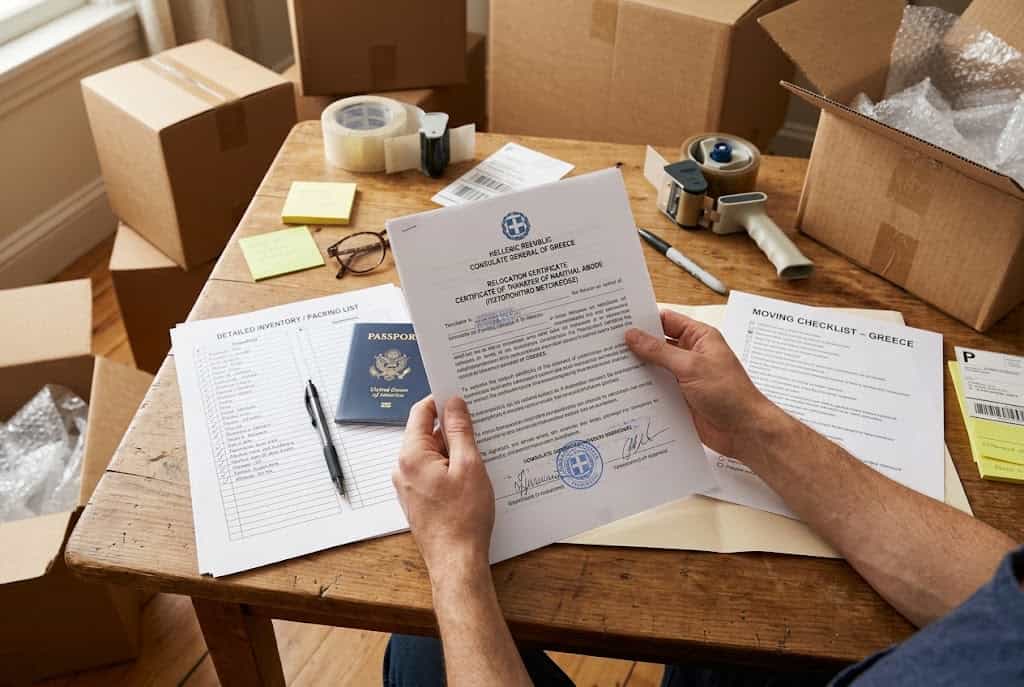
Having the right documents ready before your shipment arrives is essential. Your passport, residency documents, employer contracts, and sometimes a local ID or proof of address can be part of the clearance process. The details vary by country, but the core principle is the same, customs proceeds smoothly when your documents are in order and your shipment is clearly identified as a personal household relocation rather than a commercial import.
Preparing a Clear and Customs-Friendly Inventory
Customs throughout the Middle East relies heavily on well-structured inventories. Every box must be labeled, and the contents should be described clearly enough that customs officials can quickly understand what is being shipped. This is one of the reasons why export packing is so important for Middle Eastern relocations. When our teams handle the packing, they produce inventories that match customs expectations, reducing delays and confusion.
A proper inventory also helps when the shipment is inspected. Items like electronics, high-value belongings, or items with cultural restrictions may require specific treatment, and early planning ensures everything is documented accurately.
Items That May Be Restricted or Require Special Handling
Some Middle Eastern countries have restrictions on certain printed materials, specific electronics, substances, or items that have religious or cultural significance. While these rules vary by country, early planning ensures you know what to ship, what to leave behind, and what may require special paperwork.
In the UAE, for example, most household items move without difficulty, but certain media items may be screened. In Israel, electronics and appliances may require compatibility considerations. In Saudi Arabia and Qatar, specific items may require approval or declaration. When clients understand these details in advance, customs becomes a predictable step rather than a point of uncertainty.
Cultural Rhythms and What They Mean for Your Move
Relocating to the Middle East also means stepping into a different cultural rhythm. Daily life may follow different hours, holidays, and customs. Workweeks are structured differently in some countries. Religious holidays can influence port activity or processing times. Rather than creating complications, this awareness helps you build a move timeline that respects the pace of your destination.
Understanding cultural norms also helps when arranging delivery to your new home. Neighborhood expectations, building access, and local protocols can vary between countries. When clients arrive with a sense of awareness and flexibility, the transition feels smoother and more respectful of local customs.
Customs as a Predictable Part of the Journey
Clients often fear customs before they understand it. Once the requirements are explained, customs becomes a simple series of steps. A clear inventory. Proper documents. Compliance with local rules. When you prepare early, these steps unfold naturally. You are not scrambling for paperwork. You are not guessing what customs will want. You follow a path that thousands of others have followed successfully.
What to Pack, What to Store, and What to Replace Locally
Packing With Intention Rather Than Urgency
One of the most important decisions you make during a Middle Eastern relocation is what to bring. Some clients assume they must bring everything they own. Others imagine starting fresh. The best approach is the one that balances familiarity, budget, and practicality. Early planning gives you the time to think through these decisions rather than rushing them in the weeks before departure.
Understanding Homes in the Middle East
Homes in the Middle East vary widely. Apartments in Dubai or Tel Aviv may feel contemporary and spacious, with modern amenities and large windows. Villas in Abu Dhabi, Riyadh, or Doha often have multiple floors, generous layouts, and room for large furniture. At the same time, some city-center apartments may have tighter hallways or smaller elevators that influence how large pieces are delivered.
Your decisions about what to bring should reflect the home you are moving into, not the home you are leaving. When clients understand what their destination home looks like, they can choose more confidently what belongs in their shipment.
Items Most Families Choose to Bring
Most families bring furniture, decor, clothing, kitchenware, and personal belongings that carry sentimental or practical value. Familiar furniture can make your new home feel grounded right away. Family art, heirlooms, and meaningful pieces bring comfort and continuity. Export packing ensures these items travel safely through long routes and varying temperatures.
Items like bedding, small appliances, and electronics are often shipped as well, although local voltage standards and plug types may vary. For Israel, many electronics from the U.S. function with adapters. For Gulf countries, many electronics also work with converters. Early planning helps you decide what is worth shipping and what is better to replace locally.
Items Often Replaced Locally
Some clients choose to replace certain appliances upon arrival, especially large items that may not be compatible with local electrical systems. Rugs, simple furnishings, inexpensive shelving, and everyday home goods are often easier to purchase locally once you understand your space.
Clients moving to desert climates sometimes replace comforters, linens, or seasonal clothing to match local temperatures. Those moving to Israel may choose to replace certain small appliances to match voltage systems.
When Storage Becomes Part of the Plan
Storage can be incredibly helpful when your arrival date and your housing date do not match. Some clients use climate-controlled storage at origin while they finalize visas or employment timelines. Others store items at destination until they receive keys to their new home.
Storage is not a complication. It is a tool that offers flexibility, especially for families whose 2026 plans involve timing shifts or staggered arrivals.
Preparing for Your New Life With Confidence
Packing for the Middle East is not about bringing every piece of your past. It is about choosing the parts of your life that will support your next chapter. When you begin early and understand the environment you are moving into, those choices become clear. You shape your new home intentionally, and your transition becomes smoother and more confident.
Coordinating Arrival, Customs Clearance, and Smooth Delivery
What Happens When Your Shipment Reaches the Port
Once your container arrives in Dubai, Abu Dhabi, Jeddah, Doha, Tel Aviv, or another Middle Eastern port, the final phase of your relocation begins. Ships entering these ports move through some of the busiest maritime gateways in the world, and the moment your container is unloaded, customs procedures begin. This is where all the early preparation you completed in 2025 pays off. The inventory is clear, the documents are ready, and the timeline is already structured.
Depending on your destination, inspections may be administrative, physical, or both. Officials review your paperwork to verify your residency status, your work authorization, and your connection to the household goods being imported. Because your paperwork has been prepared well in advance, this process becomes orderly and predictable.
Customs Clearance for Middle Eastern Destinations
Customs clearance varies depending on the country. The UAE often has streamlined processes for expatriate relocations. Qatar may require employer documentation. Saudi Arabia evaluates specific goods and may require confirmation of your residency status. Israel’s customs process will depend on your visa type, your personal status, or your aliyah approvals, if applicable.
In all countries, accuracy and preparation are the foundation of smooth clearance. When clients begin planning six months to a year ahead, customs becomes a series of structured steps rather than a source of anxiety.
Because SDC International Shipping specializes in full-service overseas relocations, our team remains involved throughout the clearance process. If customs officers request clarifications, our destination partners handle communication and guide the next steps. If an item requires review or further inspection, you are informed quickly and clearly. This transparency removes the feeling of uncertainty that many people expect from international moving.
Delivery to Your New Home
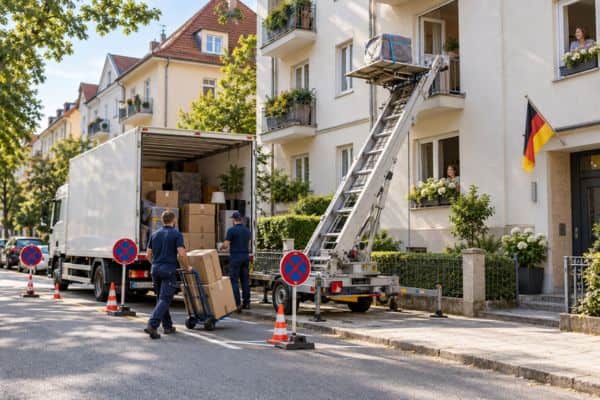
Once customs is complete, your shipment is transported to your new residence. Delivery in the Middle East can vary depending on your building access, neighborhood layout, and local protocols. High-rise apartments in Dubai Marina, Tel Aviv, or Doha’s West Bay may require elevator scheduling. Villas in Riyadh, Abu Dhabi, or suburban communities typically offer easier access.
Inside your home, the delivery team places furniture where you want it, unpacks boxes, and removes debris. If you have delicate or high-value pieces that were crated, those crates are opened carefully and handled with extra attention. This is the moment when your new home begins to feel familiar, as the furniture, decor, and belongings you know well settle into their new environment.
When Storage Plays a Helpful Role
Storage can be part of the transition if your home is not ready at the moment your shipment arrives. Some families move into temporary housing while they search for the right long-term neighborhood. Others arrive before obtaining keys to their permanent home. In these cases, climate-controlled storage protects your belongings until the timing aligns.
Storage is not a setback. It is a tool that supports a smoother, less pressured transition.
Bringing Familiarity Into a New Setting
Delivery day often brings an emotional shift. After months of planning and a long ocean journey, your belongings arrive and your home begins to take shape. What once felt like a foreign experience becomes familiar. This is when the move stops feeling like a process and starts feeling like life moving forward.
Adjusting to Life in the Middle East and Building Your New Routine
The First Days in a New Country
Arriving in the Middle East means stepping into a world that blends modernity, history, and cultural richness. The warm light, the architecture, the rhythm of neighborhoods, and the sound of different languages create a feeling of discovery. The first few days are often filled with logistics, curiosity, and adjusting to new surroundings.
Clients frequently say that their early planning helped them stay calm during this period. With the shipping timeline clear and the arrival sequence already mapped out, their emotional energy could be focused on exploring their new community rather than worrying about where their belongings were or how long customs might take.
Finding a Daily Rhythm
Each Middle Eastern city has its own unique pace. In Dubai and Doha, the day may begin early, with families heading to international schools and professionals commuting to districts filled with global companies. Tel Aviv has a lively coastal energy with a mix of technology hubs and cultural spaces. Riyadh and Jeddah combine modern neighborhoods with deeply rooted traditions, creating a rich blend of experiences.
Creating routines helps bring familiarity to your new environment. Finding your grocery stores, understanding transportation systems, exploring parks or beaches, and learning local customs all contribute to a sense of belonging. Families often find that school schedules help anchor the early weeks. Professionals appreciate the clarity of structured work environments. Retirees find comfort in community activities and cultural events.
Cultural Awareness and Local Etiquette
The Middle East is a region where cultural respect goes a long way. Understanding local holidays, workweeks, and community customs helps you integrate more smoothly. Some countries operate Sunday through Thursday workweeks. Others observe holidays and cultural practices that may be new to you.
Rather than seeing these differences as challenges, many clients describe them as opportunities, a chance to step into a new rhythm that expands their perspective. Early awareness allows you to adapt naturally and respectfully.
Creating Comfort in Your New Home
Your home becomes your anchor during the adjustment period. The furniture you chose to bring, the artwork you love, the everyday pieces you rely on, all help create a sense of stability. When clients walk into their new home and see everything placed thoughtfully, they often describe a deep feeling of relief. It is the moment where the new country begins to feel like their country.
Establishing Community and Connection
The Middle East is filled with expatriate communities that make settling in easier. Many families join neighborhood groups, school communities, professional networks, fitness clubs, or cultural organizations. These connections offer support, friendship, and a sense of belonging during your first months.
When You Realize You Made the Right Decision
As time passes and routines become familiar, you begin to see your move not as a disruption but as a transformation. You understand how much your early planning shaped your experience. What once seemed overwhelming became a structured, guided journey.
Clients often tell us that their move became one of the most meaningful decisions they ever made, not because it was easy, but because the process was handled with intention and support.
How SDC Supports Your Middle East Move From First Call to Full Settlement
Beginning With Clarity and a Conversation
A successful international move begins long before packing day. It begins with understanding. When you reach out to SDC International Shipping, the first step is always a conversation focused on your goals, your destination, your family’s needs, and your 2026 timeline. Whether you are preparing for a new role in Dubai, joining relatives in Israel, relocating for a long term assignment in Qatar, or beginning life in Riyadh or Abu Dhabi, the process starts by mapping out your personal story.
Clients often feel immediate relief after this first call. The move that once felt overwhelming becomes something with structure, clear stages, and a realistic cadence. You remain at the center of the story. Our role is simply to guide you through a path that thousands have taken before you.
One Coordinated Process From Any U.S. State
SDC offers a unified international moving service across all 50 states. Whether you live in Los Angeles, Miami, Chicago, Denver, New York, or a small town far from a major port, the process remains seamless. Our team handles in-home export packing, transportation to the port, container or air freight booking, customs documentation, and delivery to your new home abroad.
Instead of working with multiple companies and disparate teams, you work with one guide. This eliminates the fragmentation that causes unnecessary stress during moves to the Middle East, where timing, documentation, and coordination matter more than ever.
Expert Packing and Protection for Long-Distance Shipping
Packing for a Middle Eastern relocation requires export-grade materials, detailed inventories, and specialized techniques that protect your belongings from vibration, climate changes, and multiple handling points. Our packing teams prepare every item with these conditions in mind. Furniture is wrapped securely, artwork and valuables can be crated through our artwork and valuables shipping services, and fragile items receive extra attention.
Protection also includes selecting the right level of international moving insurance. Insurance gives you peace of mind through every stage of the journey, from the moment the movers arrive at your door to the moment your items are placed in your new home.
Guiding You Through Customs and Documentation
Customs throughout the Middle East can feel intimidating when you first begin researching, but with proper preparation, it becomes a predictable part of the journey. We help you gather the documents you need for your destination country, whether that includes visas, employer sponsorship letters, inventory lists, residency permits, or special declarations.
Because your documents are prepared far in advance for your 2026 timeline, customs is not rushed, and you avoid the delays that often occur when paperwork is incomplete or unclear. Our destination partners communicate directly with local customs offices, ensuring that your shipment moves through the appropriate channels without unnecessary complications.
Communication and Tracking Every Step of the Way
Clients often say that one of the most reassuring parts of working with SDC is the ongoing communication. You receive updates about packing, container transport, sailing schedules, vessel tracking, customs progress, and delivery arrangements. You always know what is happening, where your belongings are, and what comes next.
This steady communication helps you feel grounded during a time when your life is undergoing a major transition.
Delivery, Unpacking, and Final Support
When your belongings clear customs and reach your new residence, the delivery team places furniture where you want it, unpacks boxes, and removes debris. Crated items are unpacked carefully. This is the moment where the abstract idea of “moving to the Middle East” becomes your everyday reality. Your home takes shape. Your life begins to settle. What once felt unfamiliar becomes anchored.
And even after delivery is complete, our support continues. Whether you have questions about documentation, future shipments, storage, or insurance, you remain connected to a team that understands every stage of your relocation.
A Confident Start to Your Middle Eastern Chapter
A move to the Middle East is a meaningful decision, and it deserves a thoughtful, structured approach. With early planning, professional guidance, and a clear timeline, your relocation becomes an organized journey rather than a chaotic one. You step into your new life with confidence, knowing each part of the process was handled with care.
You are the one choosing a bold, hopeful future in 2026. SDC is simply the guide helping you arrive with clarity, calm, and a strong foundation for the years ahead.