Customs Regulations for Moving Household Goods to Mexico: A Step-by-Step Guide
If you’re planning to move your household goods from the U.S. to Mexico, customs is the part of the process that determines whether your shipment clears quickly or sits at the port for weeks. The rules are specific, the paperwork is detailed, and the consequences of mistakes, storage fees, delays, unexpected taxes, are real. This guide explains how the system actually works, what SDC sees go wrong most often, and how to prepare before your shipment leaves the U.S.
This guide is written for people relocating their primary residence to Mexico: retirees, expats, and families making a permanent or long-term move. It does not apply to tourists, short-term visitors, or people shipping a few boxes without establishing residency. If that’s your situation, the rules are different and you should speak with a customs broker directly.
SDC International Shipping is a licensed door-to-door moving company serving all 50 U.S. states, and we’ve coordinated hundreds of household goods moves to Mexico. What follows reflects that direct experience.
Understanding Mexico’s Menaje de Casa Rules
When moving household goods to Mexico, one of the first terms you’ll encounter is Menaje de Casa. This is the customs program that allows qualifying residents and returning Mexican citizens to import their personal household belongings without paying standard import duties, provided all requirements are met.
The program was designed to make relocation transparent and financially viable. Without it, families could face import taxes equal to 16% VAT or more on the declared value of their entire shipment. With it, those duties are waived, but only if the paperwork is complete, the eligibility requirements are met, and the shipment is handled correctly from the start.
What Qualifies as Household Goods
Household goods include personal belongings such as furniture, appliances, clothing, electronics, books, and decorations that have been owned and used in your home prior to the move. The key test customs applies is whether the items reflect a family’s normal home or a commercial import. Goods must be clearly for personal use, not for resale. Items that are brand new, still in original packaging, or present in quantities that suggest a business inventory are likely to be questioned or taxed even within an otherwise qualifying shipment.
Who Is Eligible
To qualify for Menaje de Casa, you must hold a valid Mexican immigration status, typically a Temporary Resident Visa or Permanent Resident Visa. Returning Mexican citizens may also qualify under specific conditions. Tourist visas do not qualify. Your immigration documentation must accompany your shipping paperwork, and your residency status must be established before or at the time of customs clearance. Attempting to ship before your visa is in hand is one of the most common and costly mistakes SDC helps clients avoid.
Preparing the Required Documentation
Paperwork is where most Mexico shipments run into trouble. A container packed perfectly and shipped on time can still be held at port for weeks if a single document is missing, mistranslated, or not yet certified. SDC reviews every document set before a shipment leaves the U.S., and in our experience, first-time shippers almost always need at least one correction before they’re ready.
The Menaje de Casa Inventory List
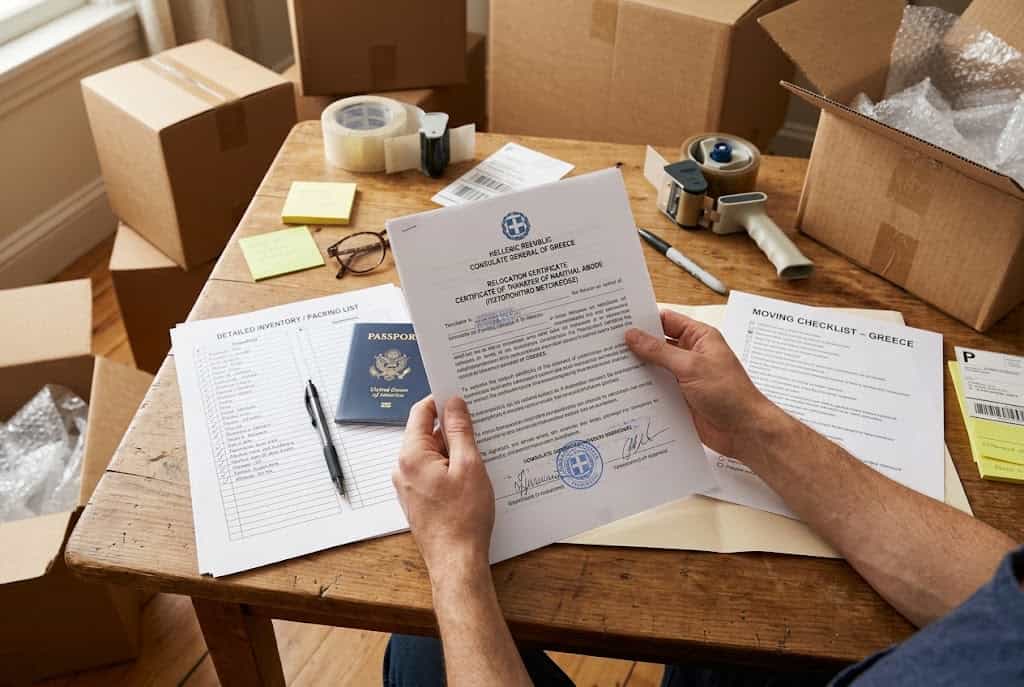
The foundation of your paperwork is the Menaje de Casa inventory, a detailed, itemized list of everything you’re shipping, written in Spanish and signed by the owner. This is not a casual packing list. Every item must be described clearly, with quantity and approximate value included. Customs officers use this document to verify that what’s in the container matches what was declared. Vague descriptions like “miscellaneous household items” are not acceptable and will trigger additional scrutiny.
Creating a compliant inventory is time-consuming, but it is non-negotiable. SDC helps clients build inventories that meet Mexican customs standards, reducing the risk of rejection or holds once the shipment arrives at port.
Immigration and Identity Documents
Your shipment can only be imported duty-free if your immigration status qualifies. You’ll need to provide your Temporary or Permanent Resident Visa, a valid passport with a copy of the photo page, and documentation confirming you are establishing residency, not visiting. Without these, customs will treat your shipment as a standard commercial import and apply full duties and VAT.
The Bill of Lading or Air Waybill
Your shipping documentation, a Bill of Lading for sea freight or an Air Waybill for air freight, is issued by the moving company and confirms the details of your shipment: what’s being moved, where it’s going, and who is responsible for it in transit. Mexican customs uses this to match your physical shipment to your inventory and residency documents. Any discrepancy between the Bill of Lading and the inventory list is grounds for a hold.
Consular Certification
Before your goods leave the U.S., your Menaje de Casa inventory typically needs to be presented at a Mexican consulate for certification. This involves submitting your signed inventory along with your passport and visa documents to be stamped and approved. The consulate charges a fee for this service, modest, but variable by location and volume, so confirm current rates with your local consulate when planning your budget.
This step is where many shipments stall. Families underestimate the lead time required, or submit documentation that doesn’t meet the consulate’s format requirements. If certification isn’t completed before the shipment departs, the goods may be held at the Mexican port until additional approvals are obtained, and port storage fees accumulate quickly. SDC coordinates this step well in advance so it doesn’t become a bottleneck.
Restricted and Prohibited Items
Not everything you own can be shipped freely into Mexico. Customs officers review each shipment carefully, and items that fall into restricted or prohibited categories can delay or derail your entire container, not just the individual item. Understanding the distinction before you pack is essential.
Restricted Items
Restricted items can enter Mexico but require special permits, declarations, or additional documentation. Common examples include firearms and ammunition (which require advance permits obtained well before shipping), artwork and antiques (which may need provenance documentation), and high-value jewelry. Electronics are generally allowed for personal use, but multiple units of the same item, three identical laptops, for example, may be questioned as a commercial import rather than a household move.
New or unopened appliances are frequently flagged. A brand-new washing machine still in its factory packaging looks like an import for resale, not a family’s used belongings. If you’re bringing new items, be prepared to document their purchase date and intended personal use.
Prohibited Items
Prohibited items cannot enter Mexico under any circumstances within a household goods shipment. These include illegal drugs and controlled substances, explosives and hazardous materials, and food products, seeds, or plants without proper agricultural clearance. Pornographic material and certain weapons are also prohibited. Attempting to include any prohibited item risks seizure, fines, and potential holds on the entire shipment.
One area that surprises families is food. It’s common to want to bring pantry staples, specialty items, or vitamins from the U.S. In most cases these should be left out of the container entirely. The risk of a customs hold over a case of protein powder or a box of supplements is not worth it.
The Commercial Import Line
Beyond specific categories, customs officers are trained to identify shipments that look more like a business inventory than a family’s home. If the volume, quantity, or condition of goods suggests resale intent, the entire shipment may be reclassified as a commercial import, removing your Menaje de Casa exemption and applying full duties. SDC reviews client inventories before packing begins specifically to identify items that might trigger this kind of reclassification.
The Customs Process at Destination
Once your shipment arrives in Mexico, the focus shifts from packing and shipping to clearance. This is the stage families worry about most, and with good reason: it’s where preparation either pays off with a quick release or unravels into weeks of delay.
Arrival and Initial Inspection
When your container reaches a Mexican port or border crossing, it’s logged into the customs system and officers check the Bill of Lading against your Menaje de Casa inventory and supporting documents. If everything matches, the process moves forward. If something appears inconsistent, an item described as “used” that looks new, a quantity that doesn’t match the inventory, the shipment may be flagged for closer review.
Inspections are either documentary (a review of paperwork only) or physical (an actual examination of the container contents). Most compliant shipments pass with a documentary review. Physical inspections can add several days to the clearance timeline. Professional packing helps here: clearly labeled, well-organized containers move through physical inspections significantly faster than disorganized ones. SDC’s international packing service is designed with customs presentation in mind.
Working With Destination Agents
Customs clearance in Mexico is handled through licensed destination agents who act on your behalf, submitting documents, coordinating with customs officials, and managing inspections. These agents are not optional for most moves; they are the mechanism through which clearance happens. SDC works with established destination agents at the major Mexican ports who know which documents are most commonly questioned and how to resolve issues before they escalate into extended holds.
Avoiding Delays and Storage Fees
The most common cause of delay is paperwork that doesn’t match the shipment. A missing serial number, a vague item description, or an inventory that lists categories instead of individual items can each trigger additional review. While the shipment is on hold, port storage fees accumulate, and at busy ports like Veracruz or Manzanillo, those costs can reach several hundred dollars per week.
Restricted items without proper permits and undeclared goods are the second most common cause of delay. Even something as minor as forgetting to declare a second laptop has triggered full inspections for SDC clients. A thorough inventory review before the container is sealed is the most reliable way to prevent this.
Final Release and Delivery
Once customs clears the shipment, your household goods can leave the port and be transported to your new home. Destination agents coordinate local delivery, including final-mile logistics to your address. SDC keeps clients updated throughout this stage so there are no surprises about timing or additional steps required at delivery.
Costs and Fees to Budget For
The Menaje de Casa program saves qualifying families thousands of dollars in import duties, but the move isn’t entirely free of fees. Here’s what to budget for realistically.
Customs Duties and VAT
With a valid Menaje de Casa approval, import duties and Mexico’s 16% VAT are waived on qualifying used household goods. Duties may still apply if customs reclassifies specific items as new, commercial, or non-qualifying. This is why accurate inventory documentation and condition descriptions matter: they are your defense against unexpected duty assessments.
Port and Handling Fees
Independent of customs duties, families should expect terminal handling charges, port fees, and local delivery costs once the shipment arrives in Mexico. These vary by port and shipment size. For moves from California to Veracruz or Manzanillo, plan for several hundred dollars in handling. SDC provides a transparent cost breakdown before shipping begins so there are no surprises at destination.
Consular Certification
The Mexican consulate charges a fee to certify your Menaje de Casa inventory. Fees vary by consulate and by the size of your inventory, so confirm current rates with your local consulate when planning. Build this into your pre-departure budget; it needs to be completed before your shipment departs.
Inspection Fees
If your shipment is selected for a physical inspection, additional fees may be charged for the inspection itself. These aren’t avoidable if customs selects your container, but accurate paperwork and professional packing reduce the likelihood of being flagged in the first place.
The Real Cost of Mistakes
The most expensive costs in this process aren’t official fees, they’re the consequences of errors. A shipment held at port for two weeks due to a documentation problem costs more in storage than most families spend on consular certification. SDC’s role in the documentation review process exists specifically to prevent these costs before they happen. When we catch a problem in a client’s inventory before it ships, that’s money saved.
How Long the Process Takes
There’s no single timeline that applies to every Mexico move, and any company that quotes you a fixed delivery date before knowing your documentation status, your destination city, and current port conditions is guessing. What SDC can tell you based on experience is this:
For sea freight from California to Mexico, the door-to-door timeline typically runs 6 to 12 weeks, depending on origin, destination, port congestion at the time of shipping, and how quickly customs clears the shipment. If documentation is complete and certified before departure, clearance at destination generally takes between a few days and two weeks. If documentation is incomplete or a hold is placed, that window extends significantly, and storage fees begin immediately.
Land shipments to border cities are generally faster on transit time, but customs checks at land crossings can introduce their own delays, particularly during high-volume periods.
What Causes Delays
Based on SDC’s experience coordinating Mexico moves, the most common causes of customs delay are: inventory descriptions that don’t match the physical shipment, missing or uncertified documentation, restricted items without permits, and shipments that arrive before the client’s visa is issued. Any of these can add weeks to the process. All of them are preventable with proper preparation.
Frequently Asked Questions
Can I ship my household goods to Mexico before my visa is approved?
No. Your Menaje de Casa application requires proof of valid immigration status. If your shipment arrives before your visa is issued, it will be held at port until documentation is in order, and you’ll pay storage fees in the meantime. SDC advises clients to confirm visa status before booking a shipping date.
What happens if customs determines my goods don’t qualify for duty-free entry?
Customs may apply Mexico’s standard import duties and 16% VAT to items deemed new, commercial in nature, or non-qualifying under Menaje de Casa rules. In more serious cases, goods may be held until duties are paid or documentation is corrected. This is why accurate inventory preparation matters, it’s your primary protection against unexpected reclassification.
Do I need to be present in Mexico when my shipment clears customs?
Not necessarily. Licensed destination agents can handle customs clearance on your behalf, which is standard practice for household goods moves. However, you may need to provide notarized authorization and ensure your residency documentation is in order. SDC coordinates this with destination agents as part of the move management process.
Can I ship a car along with my household goods?
Yes, and SDC recommends shipping a vehicle in a container alongside household goods rather than as a separate RORO shipment. This consolidates the move, reduces overall cost, and provides better protection for the vehicle. Vehicle imports have their own documentation requirements separate from Menaje de Casa; SDC handles both in the same shipment process.
How do I get started?
The best first step is a conversation with an SDC coordinator who handles Mexico moves regularly. They can review your situation, destination city, shipment size, visa status, and timeline, and give you a realistic picture of costs, documentation requirements, and what to expect at customs. Use the moving quote comparison tool to start that process.