Life in Australia – Reasons You’ll Love Down Under
*Updated 2025
Are you moving to Australia from the US and wondering what day-to-day life is really like? In this guide, SDC International Shipping walks you through what most newcomers love about living in Australia—along with a few realities to plan for.
Wages & Cost of Living
Australia offers strong wages by global standards, especially in skilled trades, healthcare, engineering, construction, mining, and tech. The statutory minimum wage is among the highest in the OECD, and full-time packages commonly include superannuation (retirement contributions) and paid leave.
Costs vary widely by city. Sydney and Melbourne command the highest housing and dining prices; Brisbane, Adelaide, Perth, Hobart, and regional centers are typically more affordable. Most expats find that sensible housing choices and smart shopping make for a comfortable lifestyle with room for travel and savings.
Safety
Australia consistently ranks as a safe place to live. Petty theft exists—as it does anywhere—but walking at night in most suburbs feels routine. The bigger risks are environmental: strong surf, riptides, bushfire season in some regions, and intense sun. Follow local beach flags, heed park advisories, and stay weather-aware.
Education Quality
Public and independent schools offer solid outcomes, and Australian universities are well-regarded in medicine, business, engineering, environmental sciences, and the arts. Teaching tends to be interactive and research-driven, and international students praise campus support and work-integrated learning options.
Work–Life Balance
One of the biggest changes Americans notice is balance. Full-time roles typically include four weeks of paid annual leave (more in some sectors), public holidays, and flexible work policies. Many workplaces normalize early finishes on Fridays, hybrid schedules, and protected family time.
Endless Places to Explore
From the Great Barrier Reef and Whitsundays to Uluru, the Blue Mountains, the Daintree, Rottnest Island, Tasmania’s wilderness, and the Great Ocean Road—nature is never far away. And yes, Australia has snow: the Snowy Mountains and Victorian Alps offer skiing and snowboarding in winter.
Laid-Back, Welcoming People
Aussies are friendly, informal, and quick with humor. Expect a genuine “g’day,” backyard barbecues, and community sports. The tone at work is professional but relaxed, with an emphasis on collaboration over hierarchy.
Food & Wine Culture
Australia’s food scene blends Mediterranean, Asian, Middle Eastern, Indigenous, and modern influences—think seafood, fresh produce, specialty coffee, and world-class wine regions (Barossa, Margaret River, Yarra Valley, Hunter Valley, Tamar). Weekend markets and neighborhood cafés anchor local life.
A Proudly Multicultural Society
Roughly a third of residents were born overseas, and dozens of languages are part of daily life in major cities. Diversity is visible in schools, workplaces, neighborhoods, and festivals—most expats integrate quickly.
Life in Australia vs the US: What Newcomers Notice
Healthcare
Australia’s universal system (Medicare) covers public hospital care and much of primary care; many residents add private cover for choice and extras. Out-of-pocket costs are generally predictable.
Paid Leave & Protections
Full-time employees typically receive ~4 weeks of paid annual leave plus sick/carer’s leave and parental leave provisions. Worker protections and safety standards are strong and well-enforced.
Everyday Expenses
Mobile service, home internet, and groceries are competitive in metro areas. Driving costs depend on distance and toll roads; public transport in larger cities is reliable and cashless.
Things to Plan For (Realities to Budget & Navigate)
- Distance & time zones: Trips to North America are long and pricey in peak seasons; factor in fewer spontaneous visits home.
- Climate & environment: Learn local beach safety, heat/bushfire protocols, and UV precautions (sunscreen and hats aren’t optional).
- Visa & compliance: Choose the right visa for your goals (work, study, partner, skilled migration). Rules change—follow official guidance.
- Banking & taxes: US citizens must manage US filing obligations even while abroad; many expats use FEIE/FTC with professional advice. Open an Australian bank account early.
- Housing: Inspections are brief and competitive in major cities—prepare references, proof of income, and be flexible on location.
- Driving: Australia drives on the left. Some states allow license conversion; others require testing after a grace period.
Popular Cities for Newcomers (At a Glance)
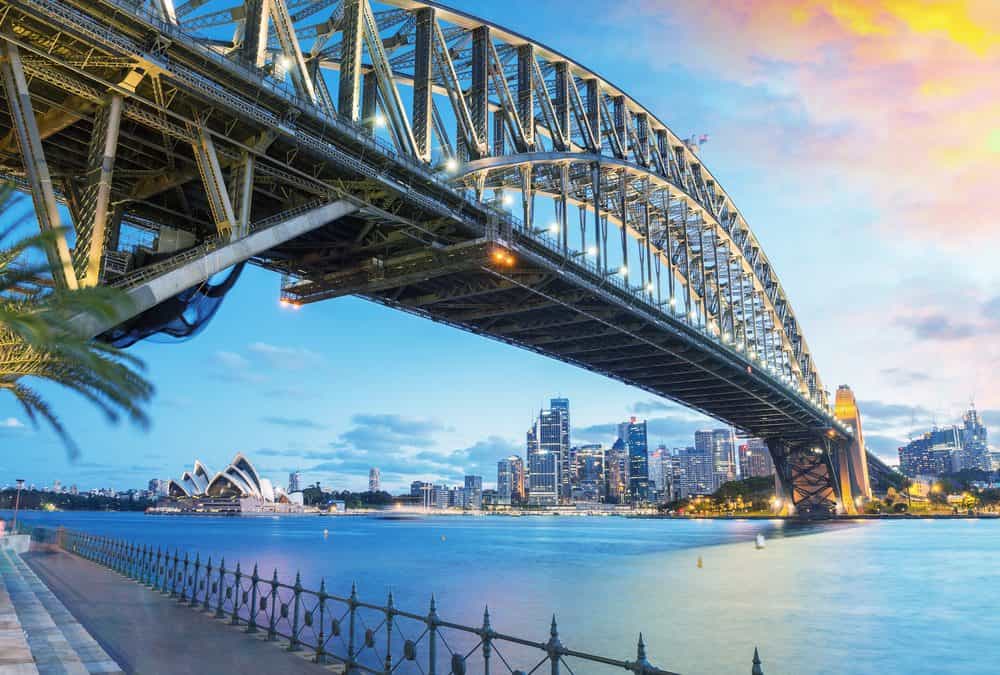
- Sydney: Iconic harbor, beaches, highest costs, strong finance/tech/creative sectors.
- Melbourne: Culture capital, coffee, arts, sports, four-season weather, competitive rents.
- Brisbane/Gold Coast: Warm climate, growing tech/health sectors, surf lifestyle.
- Perth: Mining/engineering hub, beaches, big-sky sunsets, distance from east coast.
- Adelaide: Affordable, family-friendly, defense/space/wine industries.
- Canberra: Planned city, public service, embassies, trails and national parks.
- Hobart: Cooler climate, creative scene, access to Tasmania’s wilderness.
Bottom Line: What Life in Australia Feels Like
For most Americans, Australia blends high quality of life, great wages relative to living costs, accessible nature, and a culture that actually uses its annual leave. Plan for distance and climate realities, choose the right visa, and you’ll likely find the transition surprisingly smooth.
Ready to make the move? SDC International Shipping handles packing, household goods, vehicle transport inside your container, customs documentation, secure storage, and door-to-door delivery anywhere in Australia.