How to Handle Culture Shock After a Long Distance Move
Updated January 2026
Culture shock is one of the most overlooked challenges people face after a long-distance or international move. Even when the relocation is planned, positive, and eagerly anticipated, adjusting to a new culture often triggers emotional reactions that feel unexpected and difficult to explain.
Culture shock is not a sign that you made the wrong decision or that something is “wrong” with you. It is a natural psychological response to prolonged change. New languages, social norms, routines, and expectations all demand mental energy, and over time that strain can surface as frustration, loneliness, anxiety, or fatigue.

Most people experience culture shock in stages. The early phase is often marked by excitement and curiosity, sometimes called the “honeymoon period.” This is followed by a more difficult phase when novelty wears off and everyday challenges begin to feel heavy. Eventually, with time and support, most people enter an adjustment phase where the new environment feels familiar and manageable.
The process looks different for everyone, but the strategies below can help shorten the difficult phases and support a healthier adjustment after a long-distance move.
1. Connect with an Insider
One of the fastest ways to reduce culture shock is to connect with someone who understands the local culture from the inside. This doesn’t need to be a close friend. A coworker, neighbor, community volunteer, or local service provider can all serve this role.
An insider helps translate more than language. They help you understand social cues, expectations, humor, and unspoken rules that are easy to misinterpret as an outsider. These small clarifications prevent misunderstandings that can otherwise lead to embarrassment or self-doubt.
Over time, having even one trusted local contact can dramatically increase your confidence and sense of belonging.
2. Stay Connected to People from Your Own Culture
While integration into a new culture is important, completely disconnecting from your own cultural background can intensify feelings of loss. Familiar language, humor, and shared experiences provide emotional relief during periods of adjustment.
Connecting with people from your home culture does not mean you are failing to adapt. In fact, it often provides the emotional stability needed to explore your new environment with greater openness.
Expat groups, cultural organizations, religious communities, or online forums can help you find people who understand what you are going through.
3. Explore Your New Environment Gradually and Repeatedly
Unfamiliar environments increase stress. One of the simplest ways to reduce anxiety is to build familiarity through repeated exposure. Start with small, manageable outings such as visiting the same grocery store, café, or park regularly.
As places become familiar, your sense of control increases. What once required effort begins to feel automatic, and that mental relief is essential during cultural adjustment.
Exploration doesn’t need to be adventurous to be effective. Consistency matters more than novelty.
4. Engage with Daily Life Instead of Withdrawing
Culture shock often causes people to withdraw, especially when communication feels difficult or social interactions feel exhausting. While rest is important, prolonged withdrawal can deepen feelings of isolation.
Engagement doesn’t mean forcing yourself to socialize constantly. It means staying gently involved in daily life—running errands, attending community events, or observing how people interact around you.
Presence builds familiarity, and familiarity reduces fear.
5. Bring Meaningful Items from Home
Physical surroundings play a powerful role in emotional well-being. Familiar objects help anchor you when everything else feels unfamiliar.
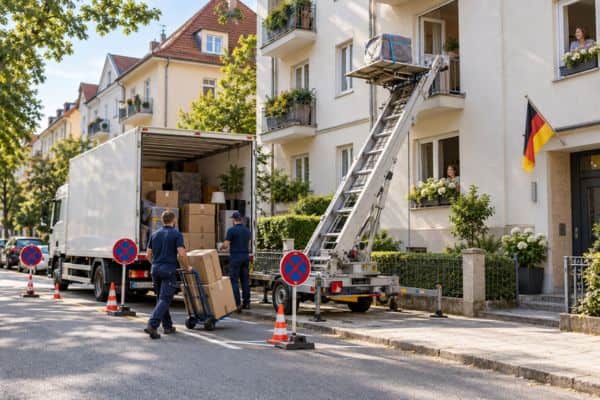
Photos, books, artwork, family heirlooms, or even familiar furniture can make a new space feel safer and more personal. Professional movers can securely transport your personal belongings, allowing you to recreate a sense of home wherever you land.
Feeling comfortable in your living space often accelerates emotional adjustment.
6. Maintain Meaningful Contact with Home
Staying connected to friends and family back home provides reassurance and continuity during periods of change. Regular conversations remind you that your identity and relationships still exist beyond your new environment.
However, balance is important. Excessive focus on what you left behind can slow adaptation. The goal is support, not escape.
7. Establish Routines to Create Stability
Routines reduce mental fatigue by creating predictability. Simple habits such as morning walks, regular meals, exercise schedules, or consistent work hours can restore a sense of control.
When large aspects of life feel uncertain, small routines provide psychological grounding and help regulate stress.
8. Leave Room for Spontaneity
While routines provide structure, flexibility allows growth. Some of the most meaningful connections and experiences happen unexpectedly.
Being open to spontaneous invitations or unplanned experiences builds resilience and helps you feel more at ease with uncertainty.
9. Practice Appreciation, Not Comparison
Constant comparison between your new culture and your old one can deepen dissatisfaction. Instead, focus on noticing small positives in your daily experience.
Appreciation doesn’t require ignoring challenges. It simply shifts attention toward growth rather than loss.
10. Give Yourself Time and Grace
Culture shock resolves gradually. For many people, full adjustment takes several months, and in some cases up to a year or more.
Progress is rarely linear. Some days will feel easier than others. Patience and self-compassion are essential during this process.
Long-distance and international moves are among life’s most transformative experiences. While the adjustment period can feel challenging, it often leads to personal growth, resilience, and a broader sense of perspective. By preparing thoughtfully and working with experienced professionals like SDC International Shipping, you can reduce logistical stress and focus your energy on building a fulfilling life in your new environment.