Relocating from San Diego to Japan: A Practical Guide for Expats
Updated July 2026
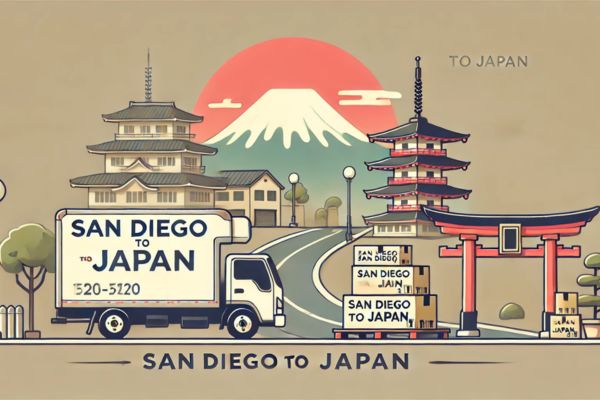
Japan is an exciting destination for expats relocating from San Diego, offering a unique blend of modernity and tradition, from the neon lights of Tokyo to the serene temples of Kyoto. Whether moving for work, study, or a cultural adventure, relocating to Japan requires careful planning and preparation. As an international shipping company serving all 50 states, this guide covers what actually matters for a San Diego to Japan move: visa basics, shipping methods, and how to avoid the delays we see most often at Japanese customs.
Why Move from San Diego to Japan?
Japan has become an attractive destination for many expats due to its robust economy, cultural richness, and high quality of life. Here are some reasons people from San Diego are choosing to relocate there:
- Rich cultural experiences: Japan blends ancient traditions with cutting-edge technology, from the bustling streets of Tokyo to the historic sites of Kyoto.
- High quality of life: Japan is known for its healthcare system, safety, cleanliness, and public transportation. Tokyo, Osaka, and Fukuoka consistently rank high in global livability indices.
- Job opportunities and education: Japan offers roles in technology, engineering, education, and finance, along with several well-regarded universities.
- Visa options: Japan offers several visa paths for professionals, students, and retirees.
Visa and Residency Requirements for Moving to Japan
Before moving from San Diego to Japan, it’s worth understanding the visa options and residency requirements. The most common categories:
- Work visas: Japan offers several categories depending on the nature of employment, such as the Engineer/Specialist in Humanities/International Services visa. Employers typically sponsor these, and they require a Certificate of Eligibility issued by the Japanese government.
- Student visas: Allow you to stay for the duration of your course, with proof of enrollment and financial stability required.
- Dependent visas: Family members of those working or studying in Japan can live in Japan but generally can’t work without special permission.
- Long-term resident and highly skilled professional visas: For professionals with specialized skills or those seeking long-term residency, often with expedited processing.
Once you arrive in Japan, you’ll need to register at the local city hall and apply for a Residence Card. It’s also worth familiarizing yourself with Japan’s healthcare system and other legal obligations before you land.
Choosing the Right Shipping Method for Your Move to Japan
Selecting the right shipping method matters for a smooth relocation from San Diego to Japan:
- Full Container Load (FCL): Best for larger households. This gives you exclusive use of a shipping container.
- Groupage services: For smaller shipments, groupage consolidates multiple clients’ goods into one container, so you only pay for the space you use.
- Air freight: Ideal for time-sensitive or smaller shipments, at a higher cost than sea freight.
- Vehicle shipping: Japan has strict emissions and safety compliance requirements for imported vehicles, and containerized shipping alongside your household goods generally offers better protection than roll-on/roll-off.
Tips for a Smooth Relocation to Japan
- Downsize and use professional packing services: Decide what to keep, sell, or donate before packing day. Our packing services keep belongings secure for the ocean crossing.
- Secure international moving insurance: Protect your items in transit with international moving insurance, especially for valuable or fragile items.
- Consider storage: If your accommodation in Japan isn’t ready, or you’re moving in stages, storage keeps your belongings safe until you need them.
- Understand Japanese customs regulations: Japan’s customs inspectors expect a precisely itemized shipping manifest. Vague or inconsistent item descriptions are the most common cause of delay for household goods entering Japan, so we build the inventory carefully before packing day, not after. Our customs guide covers the documentation in more detail.
- Learn the basics of Japanese culture and language: Familiarity with local customs and etiquette eases the transition and helps you settle in faster.
Why SDC for Your Move from San Diego to Japan
SDC provides tailored moving solutions for expats relocating internationally, including:
- Groupage expertise: Consolidated shipments heading to the same destination, which keeps costs down for expats moving with fewer items.
- Comprehensive services: From delicate items like pianos to vehicle shipping, handled in-house rather than farmed out to subcontractors.
- Personalized support: A dedicated moving consultant guides you through every step, from your quote to your customs paperwork.
Shipping Timeline and Cost Factors
Ocean freight from San Diego to Japan typically routes through the Port of Long Beach, since it offers more frequent sailings to Japanese ports than San Diego’s own port handles for household goods. Transit time generally runs four to six weeks door to door, depending on the destination port in Japan and the shipping line’s schedule. We recommend starting the planning process 8 to 12 weeks before your target departure, which leaves room for visa documentation, packing, and customs paperwork without needing to pay rush fees for a tighter timeline.
Cost depends mainly on shipment volume and method. A groupage shipment for a one-bedroom apartment costs meaningfully less than a full container load, since you’re only paying for the space your goods actually use. Vehicle shipping adds cost and complexity, since Japan’s emissions and safety compliance requirements need to be confirmed before the vehicle is loaded, not after it arrives at the port.
Frequently Asked Questions
Can I ship my car to Japan?
Yes, though Japan’s emissions and safety compliance requirements for imported vehicles are strict. We confirm your vehicle meets those requirements during the planning stage, well before pickup.
What items are restricted from entering Japan?
Certain plant and animal products, some medications, and specific electronics require additional documentation or are restricted outright. We flag anything questionable during your consultation so it doesn’t hold up your shipment at the port.
Do I need to be in Japan when my shipment arrives?
No. We coordinate delivery around your arrival, and your belongings can be held at a bonded facility if your housing isn’t ready yet.
Conclusion
Relocating from San Diego to Japan is an exciting opportunity to experience a new culture and lifestyle. With the right preparation and a mover who understands Japan’s specific customs requirements, your relocation can be smooth from the first consultation to delivery. Request your free quote or call 877-339-0267 to start planning your move.