
Shipping Your Life: What You Can and Can’t Bring When Moving to the USA
When you’re preparing to move from Russia to the United States, one of the first things you’ll ask is, “What can I bring with me?” It seems like a simple question, but the answer is layered with legal rules, practical advice, and emotional decisions. This isn’t just about shipping boxes; it’s about choosing what parts of your life will make the journey across the ocean and what will stay behind.
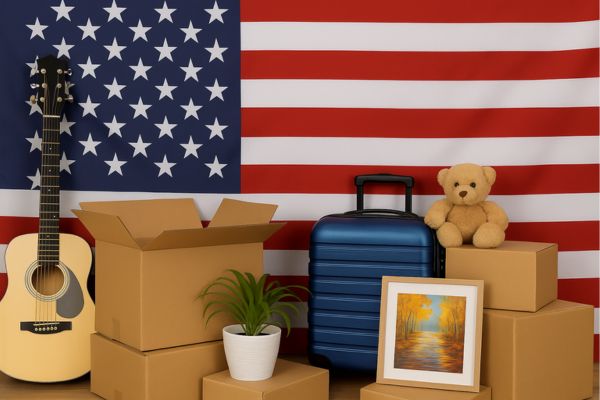
At SDC International Shipping, we help families navigate this question every day. We’ve seen the tears that come with saying goodbye to heirloom furniture, and we’ve seen the relief when a client learns that their favorite set of kitchen knives can, in fact, be packed. The point is, this isn’t just logistics—it’s personal. And getting it right matters.
This guide breaks it all down: what you can bring, what you can’t, and what falls into that frustrating “maybe” category. Plus, we’ll share how our team helps simplify the process so you can focus on starting your new chapter with confidence.
Understanding U.S. Customs: Rules You Can’t Ignore
Moving internationally means your belongings will pass through customs. And U.S. customs officials don’t play around. Their job is to keep out anything that could pose a risk to safety, agriculture, public health, or intellectual property. That means they’re looking for illegal items, undeclared food products, unauthorized electronics, and even counterfeit designer handbags.
You’ll be required to submit a full inventory list of your shipment. Every box. Every item. Transparency is key because failure to declare something or attempting to smuggle prohibited items can result in fines, delays, or seizure of your shipment.
It’s important to know there’s a difference between prohibited and restricted items:
- Prohibited items are never allowed under any circumstances.
- Restricted items may be permitted with prior approval or documentation.
For example, a handmade wooden sculpture might pass through easily, but a decorative item containing soil or organic material might be flagged. Medications may be okay in small amounts with proper documentation, while herbal supplements or narcotics could get you in trouble.
Navigating these rules can feel overwhelming. But you’re not alone. Our team at SDC will walk you through each detail. From reviewing your inventory to making sure your documentation is complete and properly translated, we help prevent costly delays before they happen.
What You Can Bring Without Problems
You’ll be happy to know that most of your personal belongings are perfectly fine to bring into the U.S.—as long as they’re intended for personal use and not resale. If it’s been part of your everyday life in Russia and it doesn’t violate any customs restrictions, you’re likely good to go.
We’re talking about things like your favorite pair of boots, the computer you use for work, or your children’s school supplies. Even your kitchenware, linens, or that painting you bought on vacation in Sochi usually raise no red flags.
Still, it’s wise to document what you’re bringing. Keep receipts for high-value items if you have them, and make sure your packing list is thorough and legible. This not only speeds up customs processing but helps ensure everything arrives safely.
If you’re shipping large, heavy, or fragile items, like a glass table or upright piano, our custom crating and packing services give you peace of mind. We can also build your move around container size options so you don’t pay for unused space.
At the end of the day, the more detailed your preparation, the easier your transition. Our clients are often surprised by how much they can bring—once they understand how to declare it properly.
What You Absolutely Can’t Bring (And Why)
There are also clear boundaries—items that simply aren’t allowed under any circumstances. These prohibitions exist to protect the country’s food supply, security, and public safety. Violating them, even unintentionally, can delay your shipment or result in seizure.
The most commonly blocked items include weapons (unless properly declared and licensed), illegal drugs, counterfeit items, and perishable goods like meat, cheese, and fruit. But there are also less obvious restrictions. For instance, decorative items made with animal fur or feathers, soil-based potted plants, or incense containing rare herbs can also be banned.
Even small oversights—like shipping partially used bottles of perfume or opened vitamins—can raise red flags. It’s not about intent. It’s about compliance.
That’s why our support matters. When we help clients walk through their inventory line by line, we’re not just checking boxes. We’re helping ensure they don’t get stuck at a port thousands of miles away from their destination.
We’ll let you know which items to leave behind and suggest alternatives if needed. Our priority is getting your shipment cleared and delivered without unnecessary hiccups.
The Gray Zone: Things That Might Be Allowed With Paperwork
This is where the rules get tricky. Some items fall into a gray area—not outright banned, but not automatically approved either. These items might be allowed if you follow the right process and file the necessary paperwork in advance.
Take prescription medications. You can usually bring them, but customs agents may ask for the original prescription, packaging in English, or a doctor’s note. Alcohol? A few bottles might be okay, but quantity limits and declaration requirements vary by state. The same goes for tobacco.
Other examples include collectibles, certain cosmetics, or animal-based goods like furs or wool. Artwork or jewelry might require a customs declaration, especially if valued above a certain threshold. In these cases, you’ll need receipts, photos, and potentially even proof of provenance.
At SDC, we’ve seen it all. And we help our clients sort through the red tape. Before you ship anything unusual or valuable, let us review it with you. We’ll confirm whether it’s a green light, red light, or something in between—and help you prepare the correct documentation.
This is also where international moving insurance gives you an extra layer of protection. Because even with the right forms, accidents can happen. And if they do, you’ll want the peace of mind that your investment is covered.
How SDC Helps You Ship Safely and Legally
Relocating internationally isn’t just about packing up and heading out. It’s about understanding the systems, requirements, and timelines that come with crossing borders. And when you work with a team that specializes in international moves, you don’t have to figure it out alone.
Here’s how we help:
- We start with a detailed consultation to review your household goods.
- Our experts help you complete the customs documentation required for clearance.
- We provide full packing and crating services, ensuring your belongings are secure and properly labeled.
- We offer storage options if you’re not ready to receive everything at once.
- We stay in touch with customs agents and port authorities to ensure your shipment clears without issues.
Beyond the logistics, what really sets us apart is our care. We know that what you’re shipping isn’t just stuff—it’s your life. Every blanket, photo album, and coffee mug has a story. And we treat it all with the respect it deserves.
Conclusion: Send What Matters, Leave What Doesn’t
The truth is, moving to the U.S. from Russia is about more than logistics—it’s about deciding what parts of your story come with you. Some items will make the journey. Some will stay behind. But what matters most is doing it with clarity, care, and expert support.
At SDC International Shipping, we help you cut through the confusion. We make sure the things that matter arrive safely—and that you feel supported every step of the way.
If you’re planning your international move and still wondering what’s allowed, what’s restricted, or what’s even worth bringing, we’re here to help you figure it out.
Request your free quote today or call 877-339-0267 to speak with one of our relocation experts.
Let’s make your move simpler, safer, and stress-free—from the first box to the final border.